Football, Pride, and Identity
Football can carry national pride and cultural identity because it gives large groups of people a visible way to say who they are. The sport turns symbols, ceremonies, accents, songs, histories, and regional habits into public feeling. That power can be inspiring, complicated, joyful, commercial, and sometimes tense. To understand football culture, it helps to see the game not only as competition but as a stage where communities explain themselves.
A: No. It can express national pride, but it also carries regional, local, and personal identities.
A: They frame competition inside shared public meaning.
A: Yes, and those disagreements are part of football's cultural role.
A: Not automatically, though it can make public rituals feel less sincere.
A: Through weather habits, food, chants, stadium style, and local stories.
A: Teams preserve connection to memory, family, and place.
A: It can, if pride becomes contempt for others.
A: Sometimes, but fans also assign symbolic meaning to them.
A: It combines public ceremony, emotion, repetition, and shared attention.
A: Yes. Traditions evolve as the communities around them evolve.
Why Football Becomes Symbolic
Football becomes symbolic because it is public, emotional, and easy to gather around. A team can represent a city, a region, a school, a military community, a nation, or a diaspora even when the roster itself is constantly changing. The uniform and schedule give people something concrete to attach identity to.
Symbols gain force through repetition. A pregame ceremony, a color scheme, a rivalry song, or a championship memory becomes meaningful because people encounter it again and again. Over time, supporters stop seeing those details as decoration and start treating them as part of who they are.
That symbolic power is not automatic. It depends on trust between the sport and the people watching it. When fans believe a team reflects their values or history, football can feel like a shared mirror. When they feel ignored, the same symbols can seem hollow.
Football is especially suited to symbolic meaning because it is both violent and orderly. The game contains collision, risk, discipline, and territory, all inside a carefully ruled structure. Communities often project their own self-image onto that mixture. They may see courage, sacrifice, toughness, teamwork, or renewal depending on what they already value.
The symbolic layer grows stronger when football is linked to public memory. A famous upset, a championship after hardship, a game played after a civic crisis, or a player who embodies a generation can become part of how people talk about themselves. The sport becomes an archive of feeling as much as a record of results.
Because football is watched collectively, private identity becomes public without needing a speech. A supporter wearing inherited colors, a family standing together before kickoff, or a fan club meeting overseas is already making a statement about attachment. The sport gives that attachment a visible form.
National Pride Appears in Pregame Moments
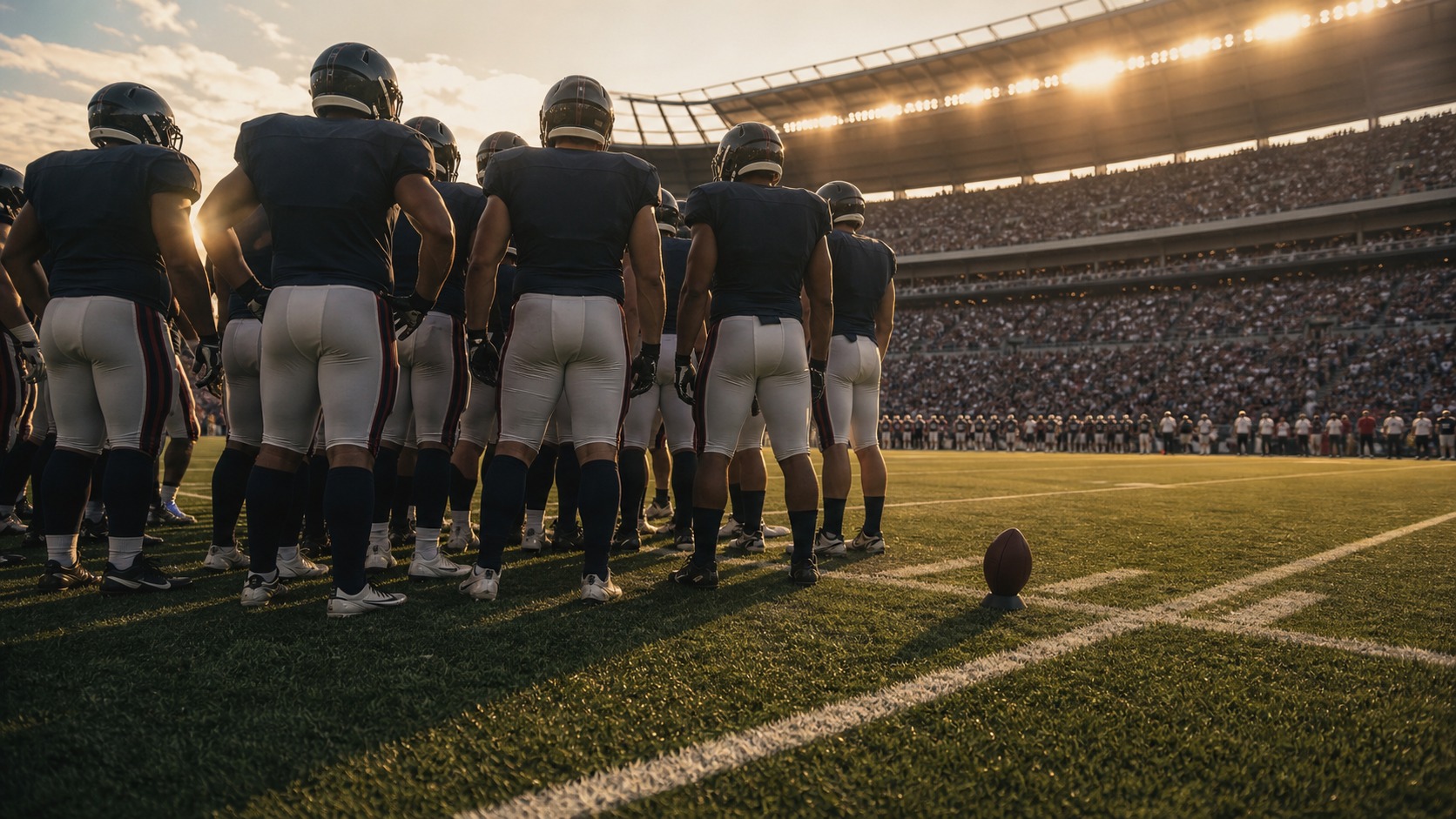
Pregame ceremonies are where national pride is most visible. Anthems, flags, moments of silence, military recognitions, and civic presentations all frame the game as more than entertainment. These moments ask the crowd to pause before competition begins and remember a larger identity.
The meaning of these ceremonies varies by viewer. For some, they are deeply moving. For others, they raise questions about politics, inclusion, or commercialization. Football does not remove those disagreements; it gives them a public setting. That is part of why the sport can feel culturally important even when the ball is not in play.
A careful reading of football culture recognizes both sincerity and complexity. Many fans experience national pride through family, service, migration, and local belonging. Others are cautious about mixing sport with state symbols. Both reactions exist inside the same stadium.
These moments are especially strong because they happen before the uncertainty of competition. Nobody has won yet, nobody has thrown an interception, and nobody is blaming a coach. The ceremony gathers people at a point when the crowd can still imagine itself as one body, even if that unity becomes more complicated once the game begins.
Regional Identity Shapes the Game-Day Personality
National identity may be broad, but regional identity gives football its texture. A cold northern outdoor game feels different from a warm southern rivalry, a small-town high school field, or a packed indoor professional venue. Weather, food, music, speech, and local history all influence the personality of the event.
Supporters often describe their team with traits they associate with the region. They may praise toughness, speed, discipline, creativity, hospitality, or resilience. Sometimes these traits are accurate; sometimes they are myths people enjoy repeating. Either way, they help fans turn football into a story about place.
Regional identity also explains why two teams in the same league can feel culturally different. The rules are shared, but the meaning of the game changes with the community around it.
Regional identity also appears in what fans forgive and what they demand. One community may prize defensive grit, another may celebrate offensive imagination, and another may expect calm professionalism. These preferences are not always rational, but they shape how supporters interpret coaching decisions and player behavior.
Because regional identity is partly imagined, it can be contested. Younger fans may reject an older story about what their team or place is supposed to be. New residents may bring different expectations. Football culture changes when these groups negotiate which traditions still feel true.
Regional stories can be affectionate or demanding. A fan base may celebrate a hard-nosed image so strongly that it becomes impatient with a finesse team, even if that team is effective. In that way, identity can influence not only how football is remembered but how it is judged in real time.
Football Helps Diaspora Fans Stay Connected
For people living far from home, football can become a portable piece of identity. A fan may move across the country or across the world and still follow the same team, wear the same colors, and teach the same game-day habits to children who have never lived near the stadium.
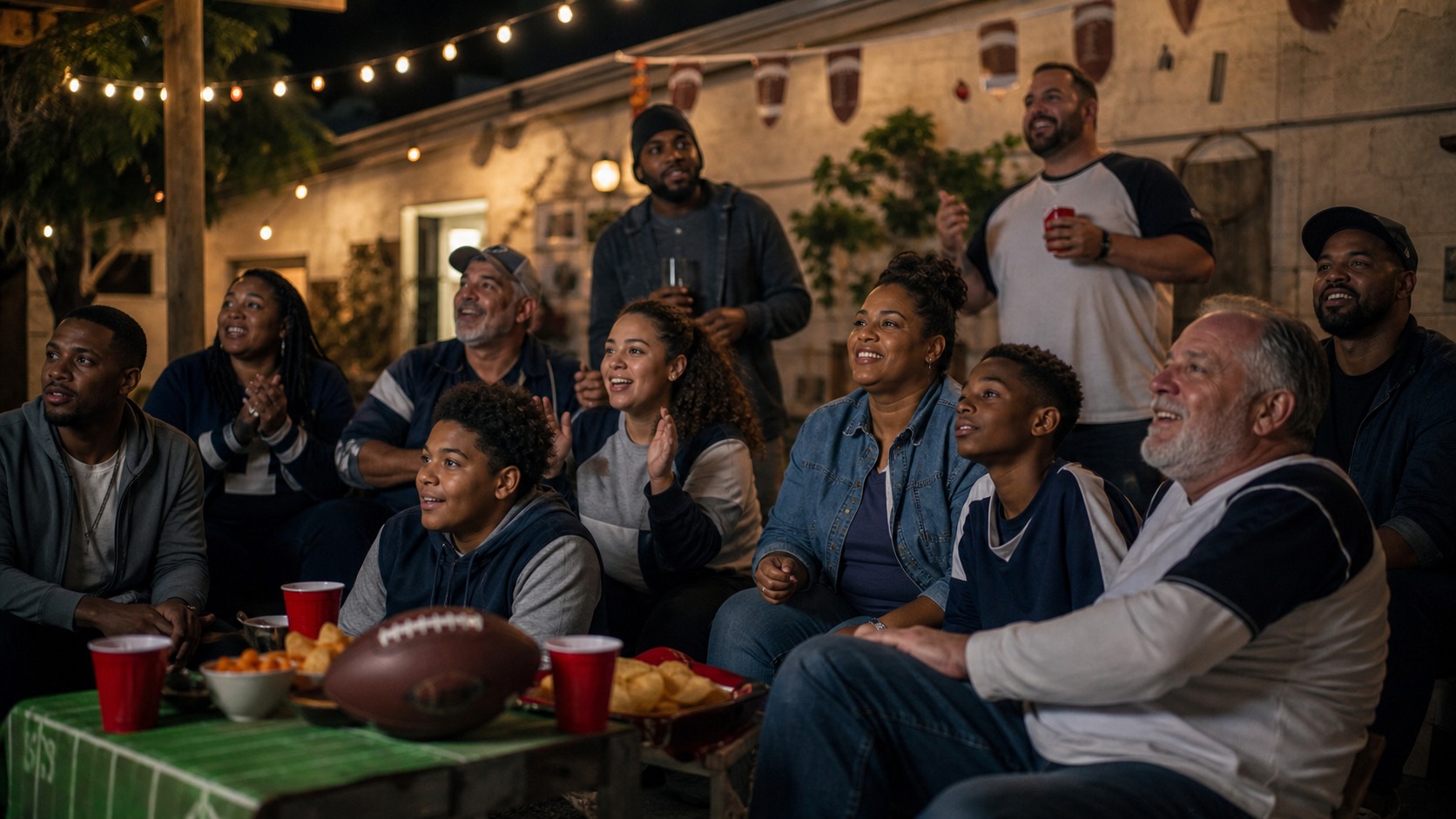
Diaspora fandom works because football creates recurring contact with memory. Every season offers new reasons to call relatives, join watch parties, follow local news, and revisit old stories. The team becomes a thread connecting past and present.
This is one reason international fan communities matter. A group watching American football in another country is not merely copying a distant culture. It may be building a hybrid identity that blends local habits with the emotional structure of the sport.
Diaspora support can also complicate the idea of national pride. A person may love an American team while living abroad, support a national flag in one context and a local club in another, or carry multiple loyalties that do not fit cleanly into one identity. Football gives those mixed attachments a place to be expressed rather than hidden.
Those mixed loyalties are not weaknesses. They often explain why football identity feels alive rather than fixed. A fan can honor where a family came from, where they live now, and where the sport first captured them, all in the same season.
Identity Can Unite and Divide
Football's identity power is double-edged. It can unite people across class, age, neighborhood, and background, but it can also sharpen boundaries. Rivalries, national symbols, and local pride can become exclusionary if fans forget that the other side is human.
The healthiest football cultures make room for pride without demanding sameness. They allow supporters to care deeply while still welcoming newcomers, critics, and people with different relationships to the symbols on display.
This balance matters because culture is never frozen. A tradition that felt natural in one era may need rethinking in another. Football communities that can adapt without losing memory tend to remain stronger.
The unifying side of identity is easiest to see during rare moments when differences seem to pause. A playoff run, a national-team appearance, a community tribute, or a comeback after disaster can gather people who do not normally share the same spaces. Football offers a temporary common room.
The dividing side appears when belonging is treated like ownership. If a fan has to look, speak, vote, worship, or remember in one approved way to be considered legitimate, football identity shrinks. A healthier culture understands that love for a team or sport can be expressed through many biographies.
The best football identities are confident enough to be generous. They allow a new fan to join without passing a purity test and allow an old fan to question a custom without being treated as disloyal. Pride becomes stronger when it can survive conversation.
Players Carry Identity in Public
Players are often asked to carry identity on behalf of people they have never met. A local star may represent a hometown. A national-team player may stand for a country. A professional athlete may become a symbol of a franchise's values, even while living under enormous personal pressure.
This can be inspiring when handled with respect. Young fans see possibility in players who share their background, language, region, or path. Communities celebrate athletes who make them feel seen.
It can also be unfair when fans turn players into symbols before remembering that they are workers and people. A mature football culture can honor representation without reducing athletes to slogans.
This burden is heavier for players connected to historic firsts or underrepresented communities. Their success may be celebrated as collective progress, while their mistakes may be judged unfairly as symbolic failures. Good football culture recognizes the importance of representation while resisting the urge to make one athlete carry too much meaning alone.
Ceremony, Commerce, and Authentic Feeling
Modern football mixes ceremony with business. Broadcasts package emotion, sponsors attach themselves to tradition, and leagues understand that identity sells. That commercial layer can make some fans skeptical, especially when public values are used mainly as branding.
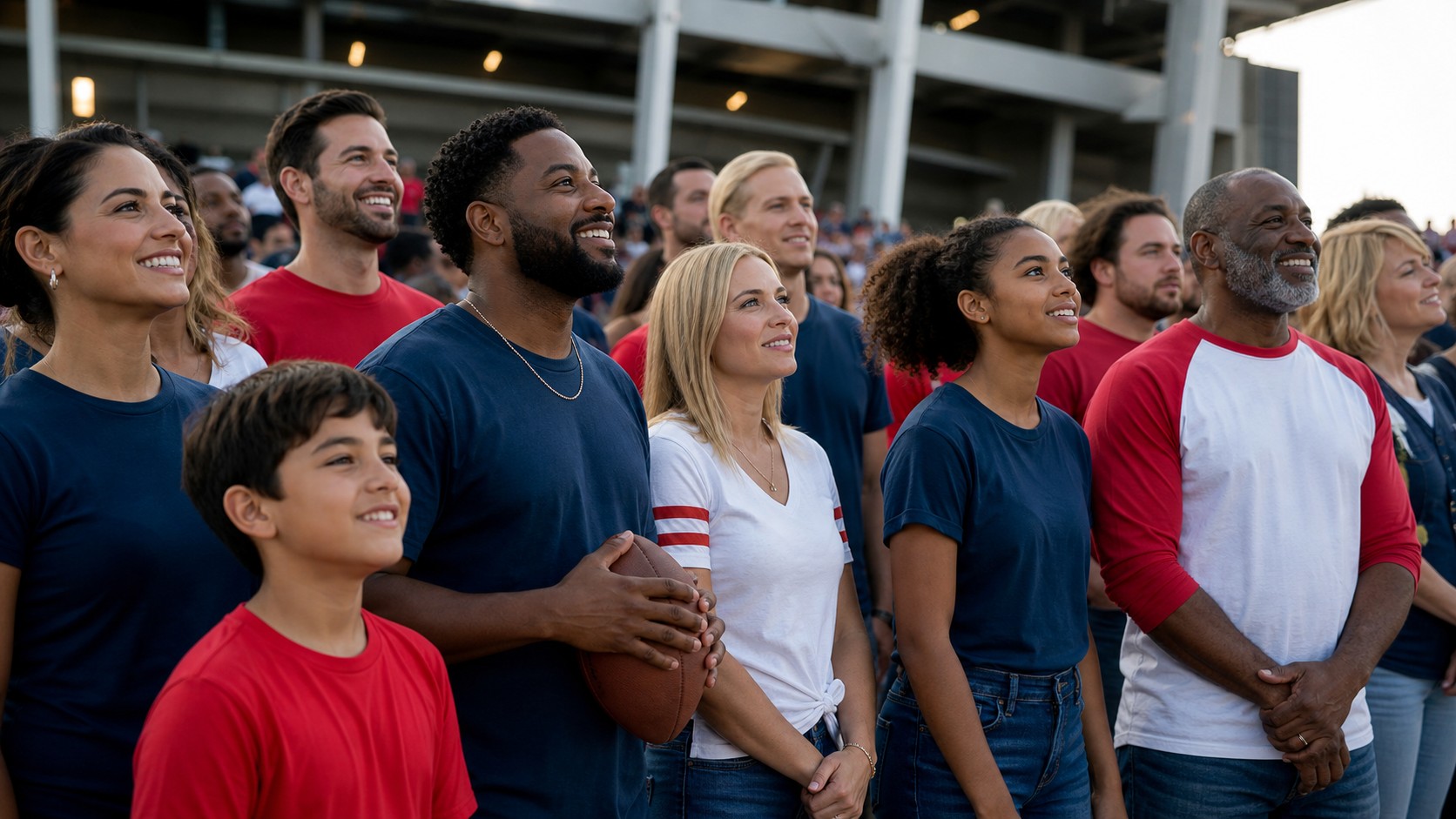
Still, commercialization does not erase authentic feeling. A family standing together during a pregame moment, a veteran watching a recognition ceremony, or an immigrant finding a team in a new country may experience something real regardless of the sponsor signs around it.
The question is not whether football identity is pure. It is whether communities remain active participants in shaping its meaning.
Authentic feeling often survives because fans are not passive. They reinterpret ceremonies, joke about official messaging, preserve older customs, and create their own meanings in the stands and at home. Even in a heavily produced broadcast environment, supporters still decide what they will remember.
This tension is not new. Sport has long mixed public emotion with institutions that want to direct that emotion. Football's scale makes the tension more visible. The important question is whether the people inside the culture still have room to speak back, adapt, and make the symbols humane.
Why Cultural Identity Keeps Returning to Football
Football keeps returning to cultural identity because it is dramatic, scheduled, and shared. It provides public moments where people can gather around symbols and argue about what those symbols mean. Few parts of modern life do that at the same scale.
The role of football in national pride is therefore not simple cheerleading. It is a living conversation about belonging, memory, representation, and place. The game gives the conversation a field, a clock, and a crowd.
That is why football can feel so much bigger than sport. It carries identity because people keep bringing identity to it.
For a new fan, the safest approach is curiosity. Ask what a ceremony means to different people, why a rivalry matters, or how a team became connected to a place. The answers may not match, and that mismatch is useful. Cultural identity is rarely a single clean story; football simply gives the story a loud public setting.