Welcome to the Game of Football
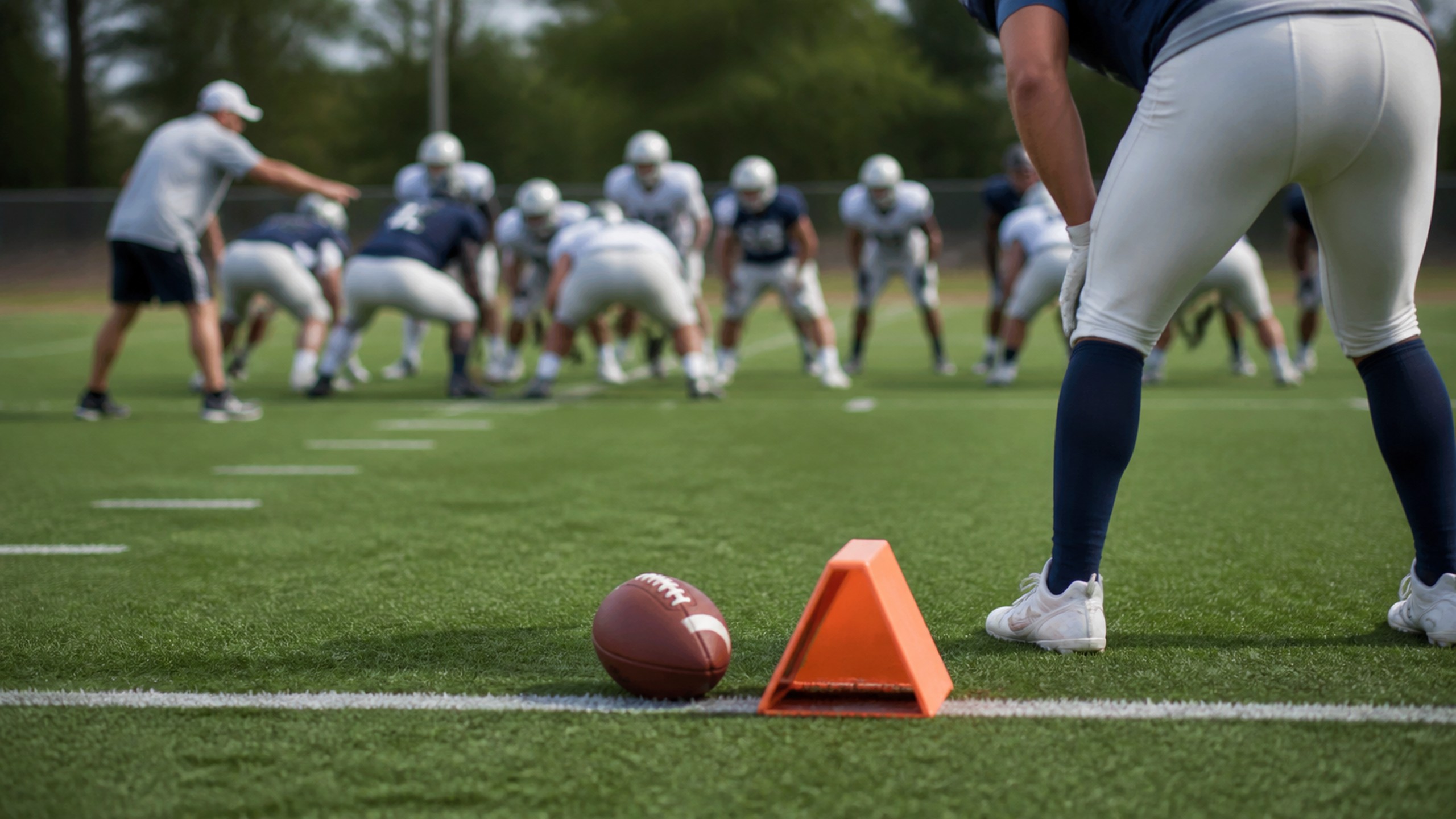
Football is one of the most watched, debated, and celebrated sports in the world, especially in the United States. Yet for beginners, the game can feel confusing at first. The whistle blows, players crash into each other, flags fly, and suddenly the ball changes hands. This guide is designed to remove that confusion. By the end, you will understand how football works, why teams make certain decisions, and how the rules fit together to create a fast-paced, strategic game that rewards both strength and intelligence.
A: Gaining ten yards within four plays.
A: Teams attempt an extra point or two-point conversion.
A: To push the opponent back when a drive stalls.
A: Losing possession through an interception or fumble.
A: Four quarters of 15 minutes each.
A: Crossing the line of scrimmage before the snap.
A: Yes, for incomplete passes or out-of-bounds plays.
A: A crew of on-field officials.
A: Tackling the offense in its own end zone.
A: They enforce fairness and player safety.
What Football Really Is at Its Core
At its heart, football is a territory-based game. One team tries to move the ball down the field toward the opponent’s goal line, while the other team tries to stop them. The offense controls the ball and attempts to advance it. The defense reacts by blocking paths, tackling ball carriers, and forcing mistakes. Every rule in football exists to balance these two goals and keep the game fair, safe, and competitive.
The Football Field Explained
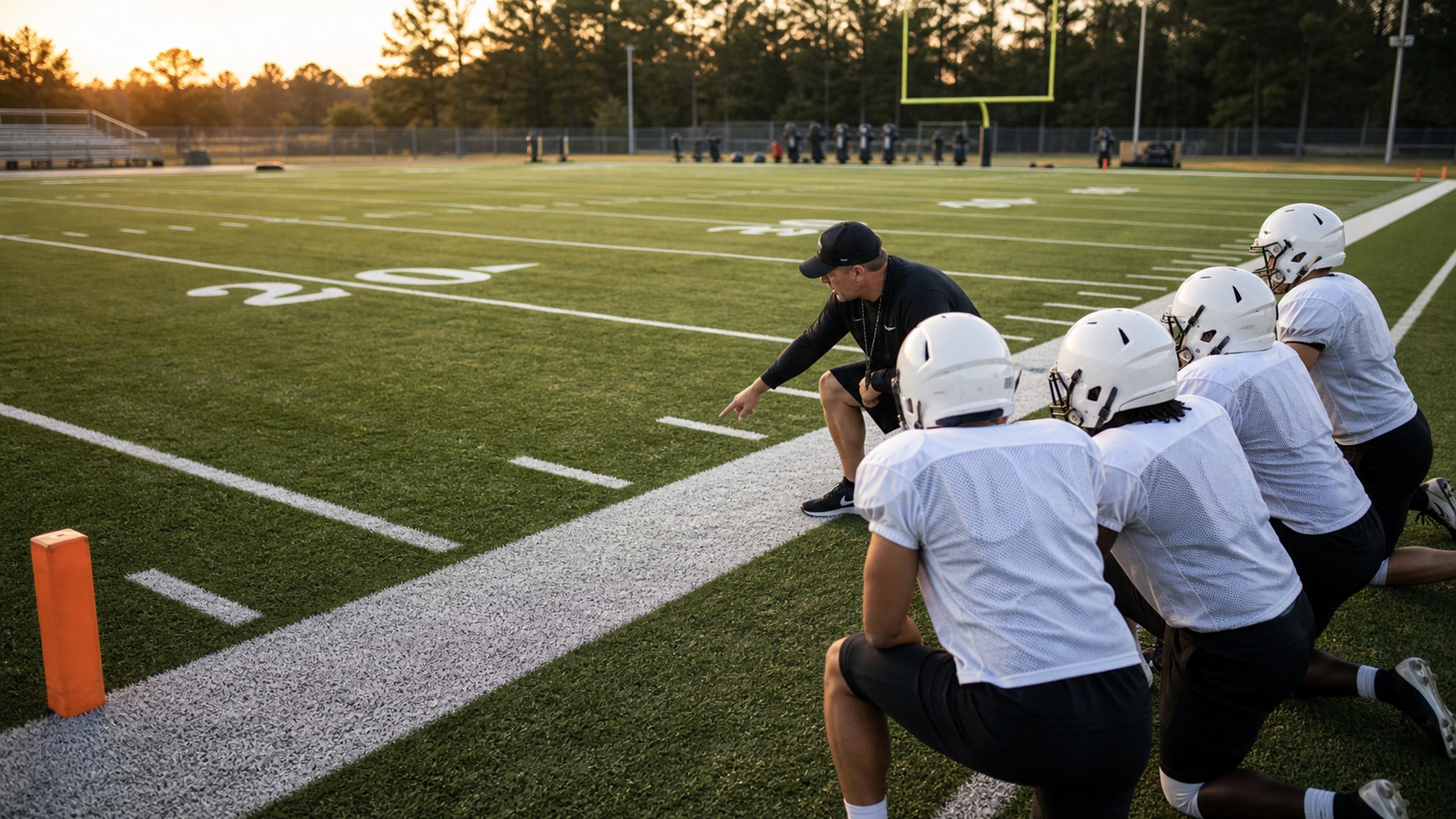
A football field is 100 yards long from goal line to goal line and 53.3 yards wide. At each end of the field is an end zone that is 10 yards deep. Yard lines run across the field every five yards, with numbers marking every ten yards to help viewers and officials track progress. The midfield line at the 50-yard mark divides the field in half and often serves as a reference point for field position and strategy.
Teams, Players, and Substitutions
Each team has 11 players on the field at a time, but the full roster includes many more. Football allows unlimited substitutions between plays, which means teams can specialize. Offensive players focus on advancing the ball, defensive players focus on stopping it, and special teams players handle kicking situations. This system lets coaches deploy specific skill sets for different moments, making strategy just as important as athletic ability.
How a Football Game Starts
The game begins with a kickoff. One team kicks the ball down the field to the other team, which tries to return it as far as possible. Where the returner is tackled determines the starting position for the offense. Kickoffs also happen after scoring plays and at the start of the second half, setting the rhythm for each segment of the game.
Understanding Downs and Distance
One of the most important concepts in football is the down system. The offense has four attempts, called downs, to gain at least ten yards. If they succeed, the count resets and they earn a new set of downs. If they fail after four downs, the ball usually goes to the opposing team. This rule forces offenses to balance aggression and caution, deciding when to push forward and when to give up possession strategically.
Why Third Down Matters So Much
Third down is often considered the most critical down in football. By this point, the offense must decide whether to play safely or aggressively, knowing that failure will likely force them to punt. Defenses also tighten up on third down, using specialized plays designed to stop the offense just short of the required yardage. This tension is what makes third-down plays so exciting.
Moving the Ball: Running and Passing
The offense can advance the ball in two main ways: running and passing. A running play involves handing the ball to a player who attempts to carry it forward. A passing play involves throwing the ball to a teammate downfield. Each method has its risks and rewards. Running plays are generally safer but gain fewer yards, while passing plays can gain big chunks of yardage but carry a higher risk of mistakes.
What Counts as a Catch
For a pass to be considered complete, the receiver must control the ball and get both feet in bounds before going out of play. In professional football, maintaining possession through contact with the ground is also required. This rule exists to ensure fairness and prevent disputed catches, especially in fast, physical situations.
Tackles, Contact, and Player Safety
A tackle occurs when the ball carrier is brought to the ground or forward progress is stopped. Football is a physical sport, but contact is regulated. Players cannot grab face masks, hit opponents below the waist in certain situations, or strike defenseless players in the head or neck area. These rules exist to reduce serious injuries and protect players’ long-term health.
Scoring: How Teams Earn Points
Touchdowns are the most valuable scoring plays in football and are worth six points. A touchdown occurs when a player carries the ball into the end zone or catches a pass there. After a touchdown, the scoring team gets an extra opportunity to add points through a kick or a short play. Field goals are worth three points and are scored by kicking the ball through the uprights during regular play. A safety, worth two points, occurs when the offense is tackled in its own end zone.
The Extra Point and Two-Point Conversion
After a touchdown, teams can attempt an extra point by kicking the ball through the uprights from a short distance. Alternatively, they can try a two-point conversion by running or passing the ball into the end zone from close range. Coaches choose between these options based on game situation, score, and confidence in their offense.
Turnovers and Why They Matter
A turnover happens when the offense loses possession of the ball without kicking it away. This can occur through interceptions, when a defender catches a pass meant for the offense, or fumbles, when the ball carrier loses control and the defense recovers it. Turnovers often change the momentum of a game and can quickly swing the score in the opposite direction.
Penalties and Yellow Flags Explained
Penalties are infractions of the rules and are signaled by yellow flags thrown by officials. Common penalties include holding, offsides, and pass interference. Most penalties result in a loss of yardage or an automatic first down for the opposing team. While penalties can seem confusing at first, they exist to enforce fairness and prevent dangerous or unsportsmanlike behavior.
The Role of Referees and Officials
Football games are overseen by a crew of officials, each responsible for specific areas of the field. They enforce rules, spot the ball, manage the clock, and review plays when necessary. In modern football, instant replay allows officials to correct clear mistakes, ensuring the outcome of games is as accurate and fair as possible.
Time, Quarters, and the Game Clock
A standard football game is divided into four quarters, each lasting 15 minutes in professional play. The clock stops for certain events, such as incomplete passes, players going out of bounds, and timeouts. Managing the clock is a critical skill for teams, especially late in close games when every second matters.
Timeouts and Strategy
Each team has a limited number of timeouts per half. Coaches use timeouts to stop the clock, discuss strategy, or prevent penalties. Smart timeout usage can preserve time for a final drive or disrupt the opponent’s momentum at a crucial moment.
Special Teams and Kicking Plays
Special teams handle kickoffs, punts, and field goals. Punting occurs when an offense chooses to give up the ball on fourth down to push the opponent farther back on the field. Field goal attempts are usually made when the offense is close enough to score but not confident in converting a first down or touchdown.
What Happens When the Game Is Tied
If a game is tied at the end of regulation, overtime rules determine the winner. In most professional games, overtime gives both teams a chance to possess the ball, depending on how the first drive ends. These rules are designed to balance fairness with the excitement of sudden-death moments.
Football Positions Made Simple
Each position on the field has a specific role. The quarterback leads the offense and decides where the ball goes. Running backs carry the ball, receivers catch passes, and offensive linemen block defenders. On defense, linemen pressure the quarterback, linebackers stop runs and passes, and defensive backs cover receivers. Understanding these roles helps new fans follow the flow of the game.
Why Strategy Is Just as Important as Strength
Football is often compared to chess played at full speed. Coaches design plays, anticipate opponents’ tendencies, and adjust strategies throughout the game. Players must memorize playbooks, read defenses, and make split-second decisions. The rules provide the structure, but strategy brings the game to life.
Differences Between Levels of Football
While the core rules are similar, football differs slightly between youth, college, and professional levels. The professional game, governed by the National Football League, emphasizes player safety and entertainment, with stricter enforcement of certain penalties and advanced replay systems. College football allows slightly different timing and overtime rules, creating a distinct style of play.
How to Watch Football Like a Pro
For beginners, the best way to learn football is by watching with a focus on downs, distance, and clock management rather than every collision. Pay attention to where the ball is spotted, how many yards are needed for a first down, and what decisions coaches make on fourth down. Over time, patterns emerge, and the game becomes easier to follow and more exciting.
Why Football Rules Matter
Football’s rules are not random. They are the product of decades of refinement aimed at balancing competition, safety, and entertainment. Understanding these rules deepens appreciation for the sport and reveals the thought behind every whistle, flag, and replay review.
Final Thoughts for New Football Fans
Football may seem overwhelming at first, but it becomes remarkably logical once you understand its structure. The field, downs, scoring system, and penalties all work together to create a game that rewards preparation, teamwork, and resilience. With this beginner’s guide, you now have the foundation to watch, discuss, and enjoy football with confidence. As you continue to learn, you’ll discover that every game tells a story, shaped by rules that turn controlled chaos into one of the world’s most thrilling sports.