American football is often described as the ultimate team sport, and nowhere is that more evident than in the specialized roles each player fills on the field. Every position has a distinct purpose, a unique skill set, and a deep strategic importance that shapes how the game unfolds from kickoff to the final whistle. Understanding football positions is not just for players and coaches; it transforms the way fans watch the game, revealing the subtle chess match happening on every snap. From the spotlighted quarterback to the last line of defense at safety, each role contributes to the rhythm, balance, and drama that define football.
A: The center snaps the ball, while the quarterback controls it.
A: Often a middle linebacker or safety relays signals.
A: No, slot receivers align closer to the formation.
A: Strong safeties play closer to the run; free safeties guard deep passes.
A: Yes, pass protection is a key responsibility.
A: Their impact is subtle but essential.
A: Yes, many tight ends split wide.
A: Edge defenders, linebackers, and safeties.
A: Core roles remain, but schemes vary.
A: Specialization maximizes team efficiency and strategy.
The Structure of a Football Team
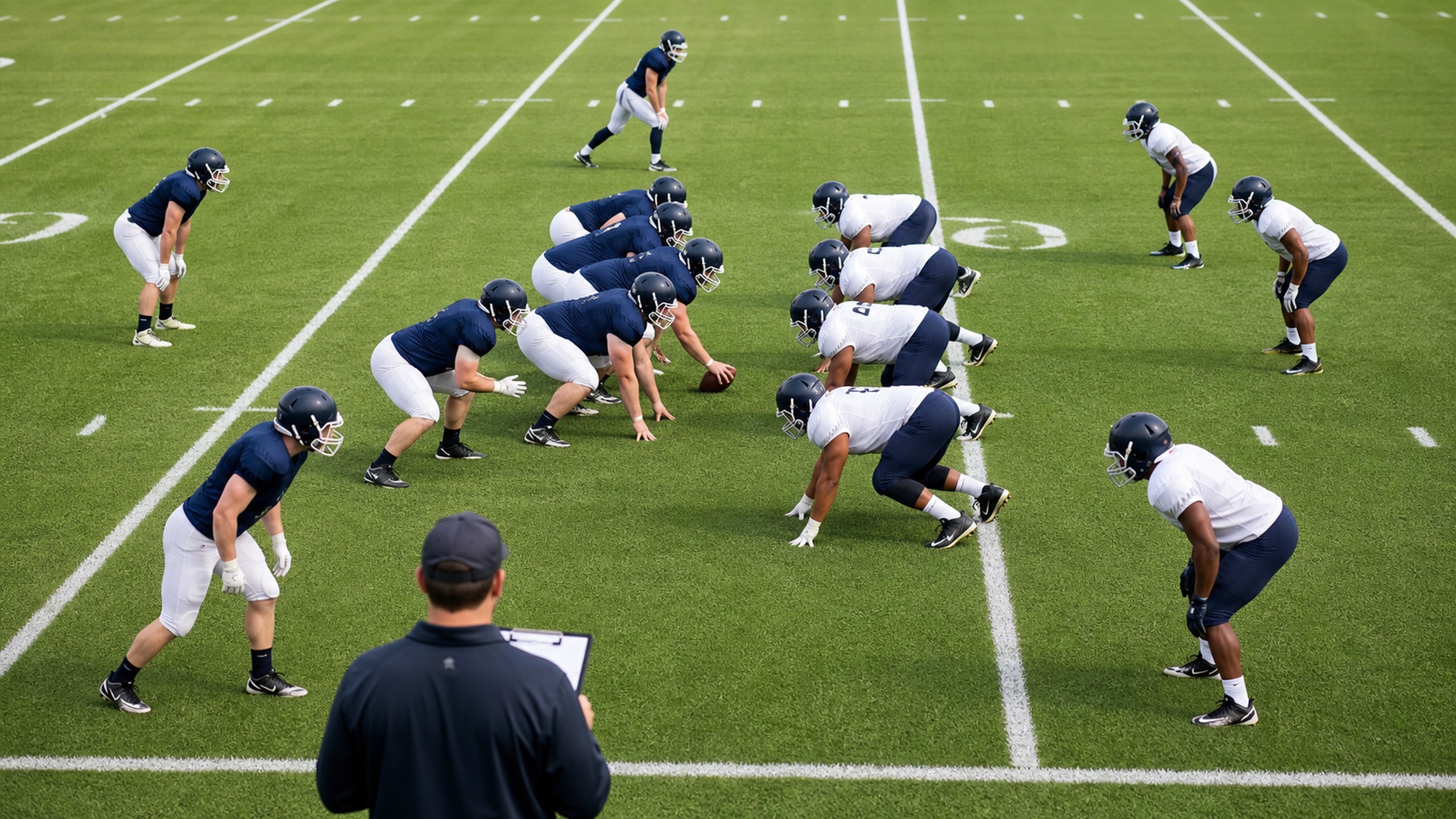
A football team is divided into three primary units: offense, defense, and special teams. The offense is responsible for advancing the ball and scoring points, the defense aims to stop that progress and create turnovers, and special teams handle kicking situations that often swing momentum. While all three units matter, most discussions about football positions begin with offense and defense, where the majority of players line up on each play. Within these units, positions are further defined by alignment, responsibilities, and situational roles that vary by scheme and coaching philosophy.
Quarterback: The Field General
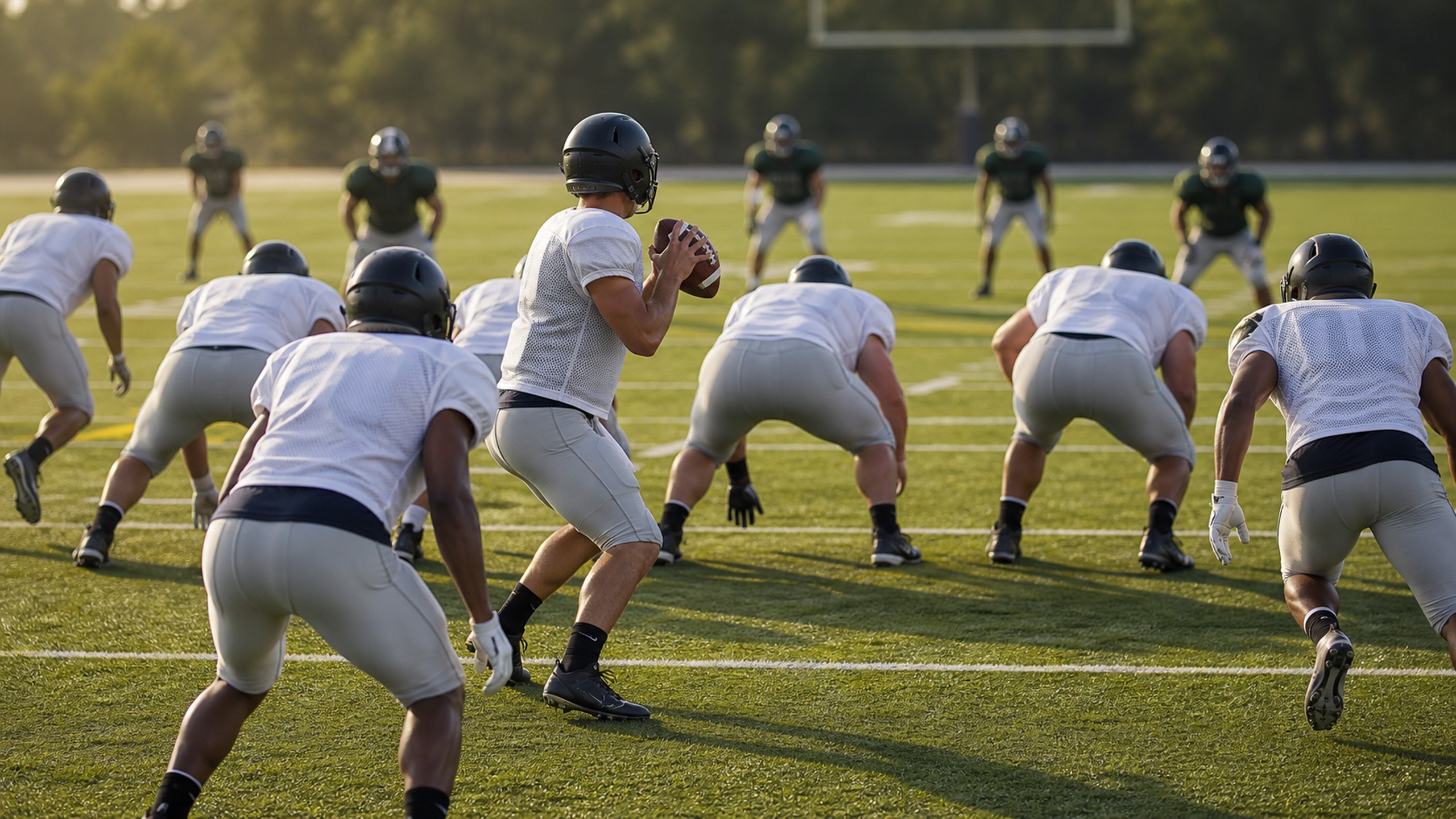
The quarterback is the most recognized position in football and often the emotional and strategic leader of the team. Positioned behind the center, the quarterback receives the snap and directs the play, whether that means handing the ball to a running back, throwing a pass, or running it themselves. More than any other player, the quarterback must read defenses quickly, recognize blitzes, and make split-second decisions under intense pressure.
Modern quarterbacks are expected to do far more than simply throw accurately. They must understand complex playbooks, manage the game clock, adjust plays at the line of scrimmage, and inspire confidence in their teammates. A great quarterback controls tempo, protects the football, and maximizes the strengths of the players around them. From classic pocket passers to dynamic dual-threat athletes, the evolution of the quarterback position has reshaped offensive football over the decades.
Running Back: Power, Speed, and Versatility
The running back lines up behind or beside the quarterback and is traditionally responsible for carrying the ball on running plays. However, the position has evolved into one of the most versatile roles on the offense. Running backs must combine vision, speed, balance, and toughness to navigate through tight spaces while absorbing contact from defenders.
In addition to rushing, running backs are often key contributors in the passing game, catching short routes, screens, and check-down passes that keep the offense on schedule. They are also critical in pass protection, stepping up to block blitzing defenders and give the quarterback time to throw. Some offenses divide responsibilities between multiple running backs, while others rely heavily on a single workhorse. Regardless of usage, the running back’s ability to turn small openings into meaningful gains can change the flow of a game.
Fullback: The Physical Enforcer
Though less common in today’s pass-heavy offenses, the fullback remains an important position in certain schemes. Typically lining up in front of the running back, the fullback acts as a lead blocker, clearing a path through the defense on running plays. This role demands strength, leverage, and an aggressive mindset. Beyond blocking, fullbacks may also carry the ball in short-yardage situations or catch passes in the flat, often catching defenses off guard. While many teams have phased out traditional fullbacks in favor of extra wide receivers or tight ends, the position still symbolizes the physical, hard-nosed side of football that thrives in power-running systems.
Wide Receiver: Speed and Precision on the Perimeter
Wide receivers line up near the sidelines or in the slot and are primarily responsible for catching passes. Their job begins before the snap, using precise alignment and motion to gain advantages against defensive backs. Once the play starts, receivers rely on speed, agility, and route-running technique to create separation and present a clear target for the quarterback.
Modern offenses often feature multiple wide receivers with specialized roles. Some excel at deep routes that stretch the defense vertically, while others thrive in the slot, working the middle of the field with quick cuts and reliable hands. Blocking is also an important, though often overlooked, responsibility for receivers, particularly on running plays and screen passes. The best wide receivers blend athleticism with football intelligence, understanding coverage schemes and adjusting routes on the fly.
Tight End: The Hybrid Weapon
The tight end occupies a unique space between offensive lineman and wide receiver. Lining up next to the offensive line or split out wide, tight ends must be capable blockers and reliable pass catchers. This dual responsibility makes the position one of the most demanding on the field.
In the running game, tight ends help seal edges and create lanes for ball carriers. In the passing game, they often exploit mismatches against smaller defensive backs or slower linebackers. As offenses have grown more creative, tight ends have become central figures, lining up in multiple positions and serving as red-zone threats due to their size and catch radius. The versatility of the tight end adds flexibility and unpredictability to modern offenses.
Offensive Line: The Foundation of the Offense
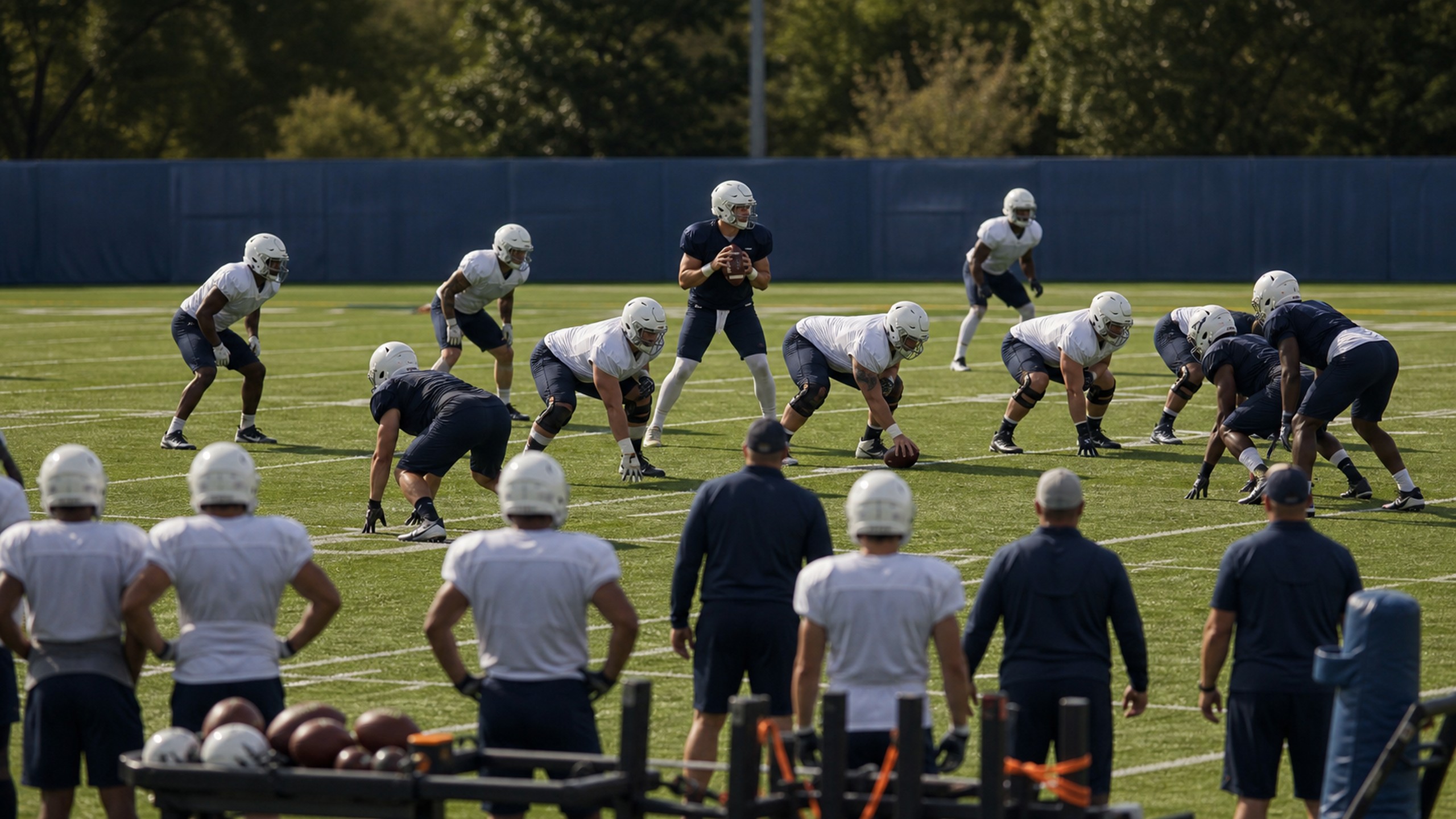
The offensive line consists of five players who work in unison to protect the quarterback and open running lanes. These positions include the center, two guards, and two tackles, each with specific responsibilities based on alignment and play design. While offensive linemen rarely touch the ball, their performance often determines the success or failure of an offense.
The center anchors the line, snapping the ball to the quarterback and making protection calls. Guards handle interior blocking and pull on certain running plays to block defenders in space. Tackles line up on the edges, tasked with protecting the quarterback from fast, powerful pass rushers. Offensive line play demands strength, technique, communication, and discipline, making it one of the most technically complex units in football.
Defensive Line: Controlling the Line of Scrimmage
On the defensive side, the line of scrimmage is where battles are won and lost. Defensive linemen line up across from the offensive line and are responsible for stopping the run and pressuring the quarterback. Depending on the scheme, a defense may use three or four down linemen, each with specialized roles. Defensive tackles typically play on the interior, using strength and leverage to clog running lanes and collapse the pocket. Defensive ends line up on the outside, focusing on setting the edge against the run and rushing the passer. Great defensive line play disrupts timing, forces offenses into mistakes, and creates opportunities for the rest of the defense to shine.
Linebacker: The Heart of the Defense
Linebackers line up behind the defensive line and serve as the bridge between the front and the secondary. Their responsibilities vary widely depending on the defensive scheme, but generally include stopping the run, covering receivers, and blitzing the quarterback. Linebackers must be versatile athletes with strong instincts and communication skills.
Middle linebackers often act as the quarterback of the defense, calling plays and aligning teammates before the snap. Outside linebackers may be tasked with rushing the passer, covering tight ends, or containing running plays to the edge. The ability of linebackers to read plays quickly and react decisively is crucial to defensive success, making the position one of the most mentally demanding in football.
Cornerback: Lockdown Coverage Specialists
Cornerbacks line up on the outside of the defense, matching up against wide receivers and attempting to disrupt passing plays. Their primary responsibility is coverage, whether in man-to-man assignments or zone schemes. Cornerbacks must possess speed, agility, and excellent footwork to stay with receivers who are often among the fastest players on the field.
In addition to coverage, cornerbacks play an important role in run support, especially on plays that bounce outside. They must also have the confidence to recover quickly after giving up a catch or a big play. The best cornerbacks combine physical skill with short memory, understanding that resilience is essential at a position where challenges are constant.
Safety: The Last Line of Defense
Safeties line up deepest in the defensive formation and provide support against both the pass and the run. Their role is often described as the last line of defense, as they are responsible for preventing big plays and ensuring that mistakes do not turn into touchdowns. Safeties must have excellent field vision and the ability to diagnose plays quickly. There are typically two types of safeties: strong safeties and free safeties. Strong safeties play closer to the line of scrimmage, helping with run support and covering tight ends. Free safeties patrol the deep middle of the field, reading the quarterback’s eyes and providing over-the-top coverage. Modern defenses often blur these distinctions, asking safeties to rotate roles and adapt based on offensive formations.
Special Teams Positions: The Hidden Yardage Battle
Special teams may not receive the same attention as offense and defense, but they play a critical role in field position and scoring opportunities. Kickers are responsible for field goals and extra points, while punters handle long-distance kicks that pin opponents deep in their own territory. These positions demand precision, consistency, and mental toughness.
Return specialists field kickoffs and punts, aiming to gain as much yardage as possible while securing the ball. Gunners and coverage players sprint downfield to tackle returners and limit gains. Though often overlooked, special teams can swing momentum dramatically and are frequently the difference in close games.
How Positions Work Together
Football positions are not isolated roles; they function as interconnected pieces of a larger system. A quarterback relies on the offensive line for protection, receivers for separation, and running backs for balance. Defenders depend on coordinated coverage and disciplined gap control to stop offenses. When one position group excels, it elevates the performance of the entire unit. This interdependence is what makes football such a complex and compelling sport. Success is rarely about individual brilliance alone but about how well players execute their roles within the team concept. Coaches design schemes that highlight strengths and mask weaknesses, constantly adjusting to the opposing team’s personnel and strategy.
Why Understanding Football Positions Enhances the Game
Knowing football positions deepens appreciation for the sport at every level. It allows fans to recognize why certain plays succeed or fail, why matchups matter, and how subtle adjustments can change outcomes. For players, understanding all positions fosters better teamwork and communication, even when they specialize in a single role.
As football continues to evolve, positions will adapt, merge, and expand in new ways. Yet the core responsibilities remain rooted in the same principles of teamwork, strategy, and execution. From the commanding presence of the quarterback to the watchful eye of the safety, every position tells a story about how football is played and why it continues to captivate generations of fans.
The Complete Picture of Football Roles
Football positions form the blueprint of the game, defining how teams attack, defend, and compete. Each role carries its own challenges, skills, and moments of glory, contributing to a sport that balances physicality with intellect. By understanding every player role from quarterback to safety, fans gain a fuller view of football’s complexity and beauty, transforming each game into a richer, more engaging experience.