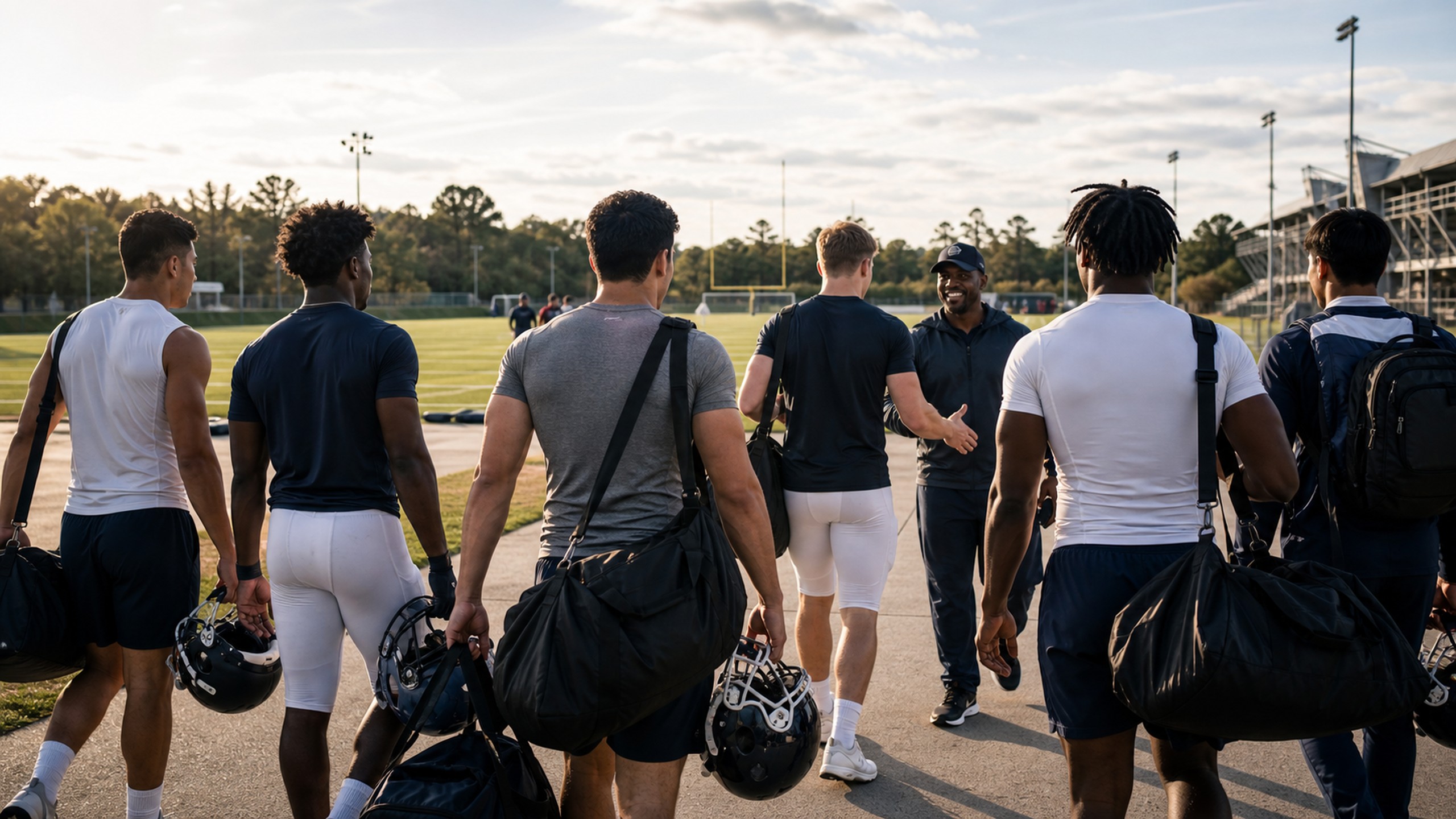
American football was born in the United States, but its reach now extends far beyond North America. From professional leagues drawing tens of thousands of fans to student-run programs fueled by passion and discipline, the sport has quietly built a global framework that mirrors, adapts, and sometimes reinvents the game’s American roots. Understanding how American football is organized around the world reveals a complex ecosystem shaped by governance bodies, regional leagues, cultural priorities, and developmental pipelines that differ sharply from country to country. At the heart of this global structure is a balance between centralized international oversight and highly localized execution. While the rules of the game remain largely universal, the way leagues are funded, seasons are scheduled, players are developed, and championships are contested varies widely. This diversity is exactly what makes international American football fascinating, as it blends a standardized sport with local sporting traditions and identities.
A: Yes, with varying levels of professional and semi-pro leagues worldwide.
A: Global and national federations coordinate standardized rulebooks.
A: No, seasons vary based on climate and local sports calendars.
A: Through clubs, combines, online exposure, and national teams.
A: It is growing rapidly, often starting with flag football.
A: Mostly yes, with small adaptations.
A: Many leagues allow limited foreign players.
A: Increasingly, through international certification programs.
A: Through federation rules, equipment standards, and training.
A: Yes, especially in Europe, Asia, and Latin America.
The International Governing Framework
Global organization begins with International Federation of American Football, commonly known as IFAF. This organization acts as the official international governing body for the sport, overseeing national federations, coordinating world competitions, and maintaining standardized rules. IFAF’s role is similar to FIFA in soccer, but with a far smaller footprint and a more development-focused mission.
Rather than running leagues directly, IFAF works through national federations. Each country with an organized American football presence typically has a recognized governing body responsible for league licensing, officiating standards, youth development, and national teams. These federations are the backbone of global organization, ensuring that American football can be played consistently whether it is in Finland, Brazil, or South Korea. International competitions serve as connective tissue. World championships, continental tournaments, and age-group competitions provide structure beyond domestic leagues and create incentives for countries to invest in grassroots programs. These events also establish promotion pathways for players who aspire to compete at higher levels internationally.
North America: The Structural Blueprint
North America remains the structural and cultural center of American football. In the United States, the sport is organized through a layered system that spans youth leagues, high school programs, collegiate football, and professional competition. At the professional level, National Football League sets the global gold standard in terms of organization, media exposure, and financial scale.
Canada follows a similar but distinct model anchored by the Canadian Football League, which uses different field dimensions and rules but maintains close ties to American football culture. Both countries benefit from deeply embedded school-based systems that function as talent pipelines. High schools and universities are not merely feeders but cultural institutions, making football a centerpiece of community identity. Mexico represents a unique case within North America. There, American football is heavily centered around universities, particularly major public institutions, and enjoys strong amateur support. While professional leagues exist, the collegiate system is often the sport’s most visible and competitive tier, blending academic prestige with athletic tradition.
Europe: Federations, Leagues, and Continental Competition
Europe’s approach to American football organization emphasizes federation-based governance paired with club competition. Most European countries operate multi-tier league systems similar to soccer pyramids, with promotion and relegation connecting divisions. National federations license teams, certify coaches, and coordinate referees, ensuring uniformity across leagues. At the continental level, competitions bring elite clubs together across borders. The most prominent professional league in recent years has been the European League of Football, which aims to provide a semi-professional to professional platform with international visibility. Alongside this, domestic leagues in Germany, Austria, Italy, and Scandinavia continue to serve as development hubs. European organization places strong emphasis on amateur sustainability. Many clubs are community-run, volunteer-supported organizations where players often balance careers with competition. This model fosters longevity and local engagement, even if it limits full professionalization. Importantly, youth academies and junior leagues are tightly linked to senior clubs, creating structured development pathways uncommon outside Europe.
Asia: Discipline, Education, and Corporate Support
In Asia, American football often aligns with educational and corporate structures. Japan stands as the most established example, where the sport is deeply embedded in university culture. The X-League, Japan’s top domestic competition, is supported by corporate teams whose players are company employees. This model provides financial stability and long-term career security while maintaining competitive integrity. South Korea and China have adopted similar approaches, blending university leagues with emerging club competitions. Organization in these countries often prioritizes discipline, technical precision, and long-term athlete development over rapid commercialization. Seasons may be shorter, but training intensity and tactical sophistication are often high. Asian national federations play a particularly hands-on role, frequently overseeing coaching education and international exchange programs. These initiatives help bridge the experience gap with North America and Europe, ensuring that local coaches and officials remain aligned with global standards.
Oceania: Niche Growth and Talent Export
In Oceania, American football occupies a niche but influential position. Australia, in particular, has become known as a talent exporter rather than a domestic league powerhouse. While local competitions exist, organizational focus often centers on development programs designed to prepare athletes for opportunities abroad.
Australian governing bodies collaborate closely with international scouts, training athletes in specialized skills such as punting and athletic line play. This export-oriented organization has led to a steady stream of players entering American colleges and professional leagues, reinforcing global interconnectedness. New Zealand follows a similar pattern on a smaller scale, where American football competes with rugby for athletes and attention. Organizationally, the sport remains tightly structured but intentionally compact, prioritizing quality over quantity.
Latin America: Passion and Community-Driven Growth
Across Latin America, American football organization is defined by grassroots enthusiasm. Countries like Brazil and Mexico feature rapidly expanding club networks fueled by passionate fan bases and player communities. National federations often operate with limited resources, relying on volunteers and partnerships to sustain league operations.
Seasons are typically short and regionally segmented, reducing travel costs while allowing competitive balance. Despite these constraints, organizational creativity thrives. Outdoor stadiums, urban fields, and community events turn games into social gatherings that attract new fans. International exposure has become a catalyst for growth. Latin American teams frequently participate in cross-border tournaments, and national teams benefit from training camps led by foreign coaches. These exchanges strengthen organizational credibility and accelerate development.
Africa and Emerging Regions: Foundations in Progress
In Africa and other emerging regions, American football organization is still in its formative stages. National federations focus primarily on awareness, safety education, and basic league creation. Equipment access, coaching expertise, and funding remain challenges, shaping how leagues are structured. Nevertheless, progress is steady. Small-scale tournaments, university clubs, and regional showcases are laying the groundwork for sustainable growth. Organizational success in these regions often depends on partnerships with international federations and diaspora communities that bring experience and resources. These early-stage systems may lack polish, but they often display remarkable adaptability. Modified formats, mixed-gender teams, and flexible scheduling reflect a willingness to innovate while adhering to core rules.
Youth and Development Systems Worldwide
Youth development is the cornerstone of global organization. In countries with established football cultures, youth leagues mirror professional structures, complete with age divisions, certified coaches, and safety protocols. Elsewhere, flag football serves as an entry point, reducing barriers to participation while introducing fundamental skills.
International programs frequently emphasize education alongside athletics. Coaching clinics, referee certification courses, and leadership workshops ensure that growth is not solely player-focused. This holistic approach strengthens organizational resilience and fosters long-term sustainability. School partnerships are especially influential outside North America. By integrating American football into educational systems, federations create consistent participation pipelines and elevate the sport’s legitimacy within national sporting hierarchies.
Media, Sponsorship, and Global Visibility
Organization around the world increasingly depends on media exposure and sponsorship. Streaming platforms have enabled leagues with limited budgets to reach international audiences, reshaping how competitions are structured and marketed. Game schedules, branding, and even rule adaptations are sometimes influenced by broadcast considerations.
Sponsorship models vary widely. While North American leagues rely on major commercial deals, international leagues often depend on local businesses and municipal support. This localized funding shapes organizational priorities, emphasizing community engagement over mass commercialization. Social media has emerged as a unifying force. Federations and clubs use digital platforms to share highlights, educate fans, and recruit players, creating a sense of global community that transcends geographic boundaries.
The Future of Global Organization
As American football continues to spread, its global organization is becoming more interconnected and sophisticated. International governance, regional leagues, and grassroots initiatives increasingly operate in concert, sharing resources and aligning standards. Technology, data analytics, and international player mobility are further tightening these connections. The sport’s adaptability remains its greatest asset. Whether organized through universities in Japan, clubs in Europe, or community leagues in Latin America, American football continues to evolve while preserving its core identity. This flexible yet structured global framework ensures that the game can thrive in diverse cultural contexts. Understanding how American football is organized around the world reveals more than administrative structures. It tells the story of a sport that has learned to travel, adapt, and belong everywhere it is played, building a truly international game grounded in strategy, teamwork, and shared passion.