Football has always been played on fields marked by lines, yards, and goals, but its true boundaries stretch far beyond chalk and turf. For millions of people around the world, football is not merely a contest of athletic skill or a source of weekend entertainment. It is a shared language, a cultural mirror, and a powerful force that shapes identity and community. From neighborhood pickup games to packed stadiums vibrating with emotion, football occupies a unique place in society—one where history, belonging, and meaning intersect. This is why football endures. Long after the final whistle blows, its stories, rituals, and memories continue to influence how people see themselves and connect with others. Football is not just played; it is lived.
A: Teams represent shared identity and long-term community bonds.
A: No, connection and belonging often matter more.
A: They reinforce history and regional pride.
A: It builds discipline, teamwork, and confidence.
A: They strengthen emotional attachment and continuity.
A: Yes, it provides a shared experience across ages.
A: Loyalty is tied to identity, not outcomes.
A: Absolutely, through media, language, and tradition.
A: It connects to memory, pride, and community.
A: Yes—it’s a shared cultural experience.
Football as a Cultural Mirror
Every culture expresses itself through sport, and football has proven especially capable of reflecting the values, struggles, and aspirations of the communities that embrace it. The way football is played, celebrated, and talked about often reveals deeper truths about the society surrounding it. In some regions, football emphasizes toughness and endurance, mirroring cultures that value resilience and hard work. In others, creativity, improvisation, and flair dominate, reflecting artistic traditions and expressive identities.
Over time, football has absorbed music, fashion, language, and local customs, turning games into cultural events rather than isolated competitions. Chants in the stands echo regional dialects. Team colors blend into everyday clothing. Even pregame rituals—tailgates, marches to the stadium, or communal viewing parties—become cultural markers passed from one generation to the next. Because football evolves alongside society, it also becomes a stage for cultural change. Shifts in attitudes toward race, class, and gender often appear first on the field or in the stands before spreading outward. In this way, football does not simply reflect culture; it actively participates in shaping it.
The Formation of Identity Through Football
For many people, football is woven directly into their sense of self. Fans often describe their allegiance to a team not as a preference, but as an identity. Supporting a club or franchise can feel as fundamental as where someone grew up or the traditions they inherited from family. This sense of identity frequently begins early. Children learn team loyalties from parents, siblings, or local heroes. Watching games together becomes a bonding ritual, and over time, the team’s successes and failures feel personal. Wins are celebrated as collective triumphs, while losses are mourned as shared disappointments. Through this emotional investment, football becomes a powerful tool for identity formation. For players, the connection can be even deeper. Wearing a jersey represents more than participation in a sport; it symbolizes belonging to something larger. Whether it is a high school team, a college program, or a professional organization, football provides a structure through which individuals define who they are, what they value, and how they measure success.
Football and the Power of Community
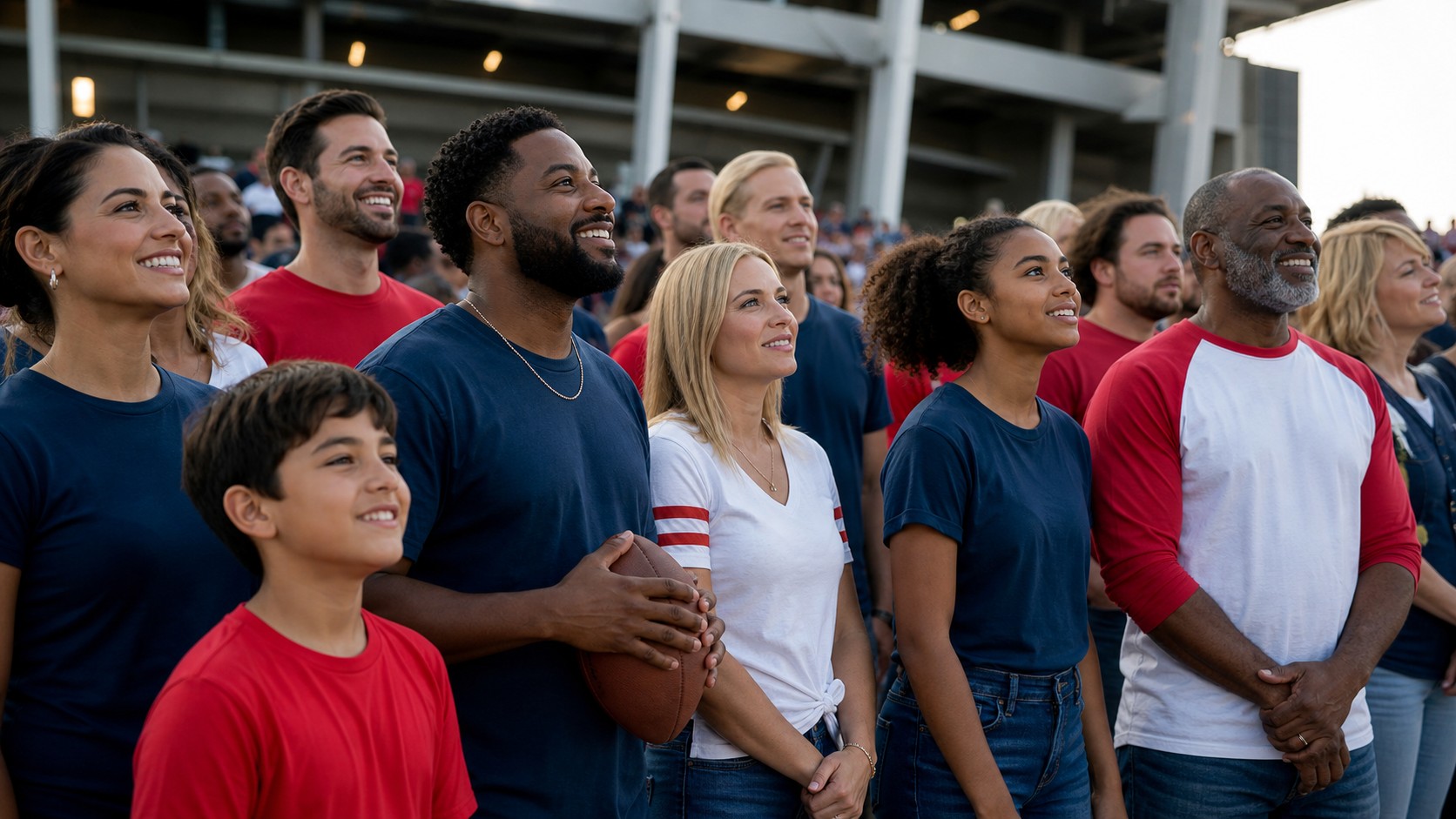
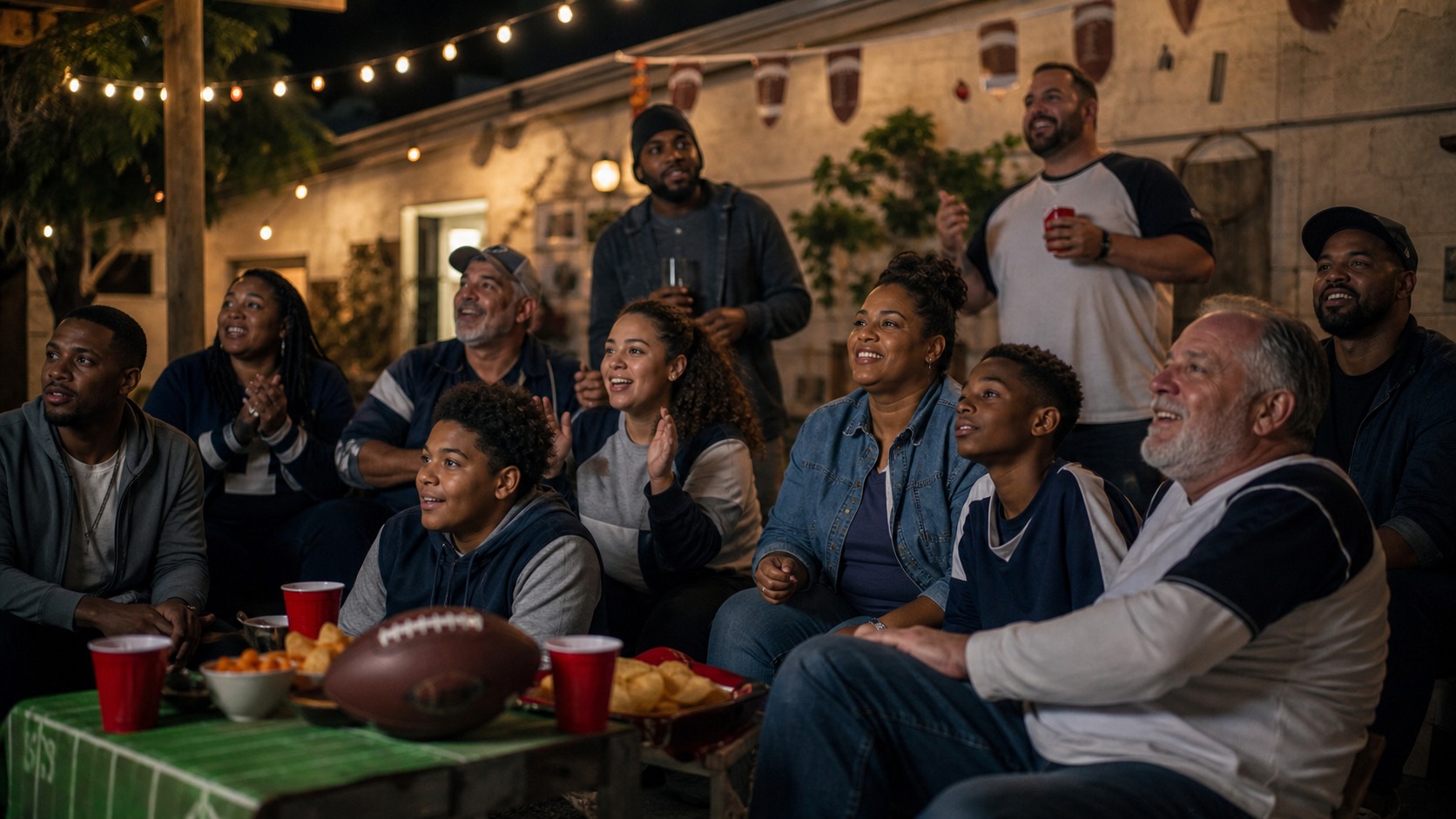
Few activities bring people together as consistently and intensely as football. On game days, communities transform. Streets fill with team colors. Homes open to friends and neighbors. Strangers exchange nods, smiles, and conversations simply because they share the same colors or chant the same songs. At its best, football creates spaces where social barriers dissolve. Differences in age, occupation, or background matter less when everyone is focused on the same play unfolding in real time. This shared experience builds a sense of unity that is increasingly rare in a fragmented world.
Local football programs often serve as community anchors, especially in smaller towns or underserved areas. High school and youth teams provide structure, mentorship, and purpose, offering young people a place to belong. Coaches become role models. Games become weekly gatherings that reinforce community ties. In many places, football fields double as civic spaces where the community comes together to celebrate, reflect, and heal.
Ritual, Tradition, and Emotional Investment
Ritual is one of football’s most powerful forces. From pregame warm-ups to postgame analysis, football is surrounded by routines that give it meaning beyond the score. Fans sit in the same seats, wear the same jerseys, and follow the same game-day routines, believing—sometimes half-jokingly—that these actions influence the outcome. These rituals create continuity across time. A chant sung today may have been sung decades ago. A stadium tradition may trace back to a team’s earliest days. Participating in these rituals connects individuals to a shared past, reinforcing the feeling that they are part of an ongoing story.
Emotional investment grows through these traditions. Football games become emotional landmarks tied to memories of family members, friendships, and life milestones. A championship season might be remembered alongside graduations or weddings. A heartbreaking loss might forever be associated with a particular year or moment in life. Through this emotional layering, football becomes inseparable from personal history.
Football as a Storytelling Machine
Football thrives on stories. Every season unfolds like a narrative, complete with heroes, rivals, setbacks, and redemption arcs. Underdog teams rise against expectations. Veterans fight to extend their careers. Young players emerge to redefine what is possible. These stories captivate audiences because they mirror real human experiences.
Media coverage amplifies this storytelling power. Documentaries, interviews, and analysis turn games into chapters of a larger saga. Fans debate decisions, replay moments, and imagine alternate outcomes, keeping the story alive long after the game ends. Major events such as the Super Bowl demonstrate how football stories can transcend sport entirely, becoming cultural moments watched by audiences far beyond traditional fans. These events blend competition, entertainment, and narrative into shared experiences that shape national conversations.
Football and Social Change
Throughout history, football has intersected with social and political movements. Players and teams have used the visibility of the sport to challenge injustice, advocate for equality, and bring attention to issues that extend far beyond the field. Because football commands such a massive audience, actions taken within it can spark conversations across society.
Integration of leagues, increasing opportunities for marginalized groups, and expanding access to the sport have all been influenced by broader social movements. While football has not always led these changes, it has often reflected and accelerated them by bringing issues into the public eye. At the grassroots level, football programs are frequently used as tools for social development. Community leagues promote teamwork, discipline, and leadership, offering pathways for education and personal growth. In this way, football becomes not just a reflection of society, but a vehicle for shaping its future.
Global Connections Through Football
While American football has its own distinct culture, the broader world of football demonstrates the sport’s global connective power. International tournaments like the FIFA World Cup show how football can unite entire nations, even temporarily, around a shared dream. Streets fill with celebration, national identities are proudly displayed, and collective emotion transcends borders.
These global events highlight football’s ability to communicate across language and culture. A goal, a touchdown, or a dramatic play carries meaning that requires no translation. This universal emotional language allows football to connect people who might otherwise have little in common. Even at local levels, global influence is evident. Playing styles, training methods, and fan traditions travel across borders, blending into new forms. Football becomes a living exchange of ideas, reinforcing its role as a cultural bridge.
The Business and Spectacle of Modern Football
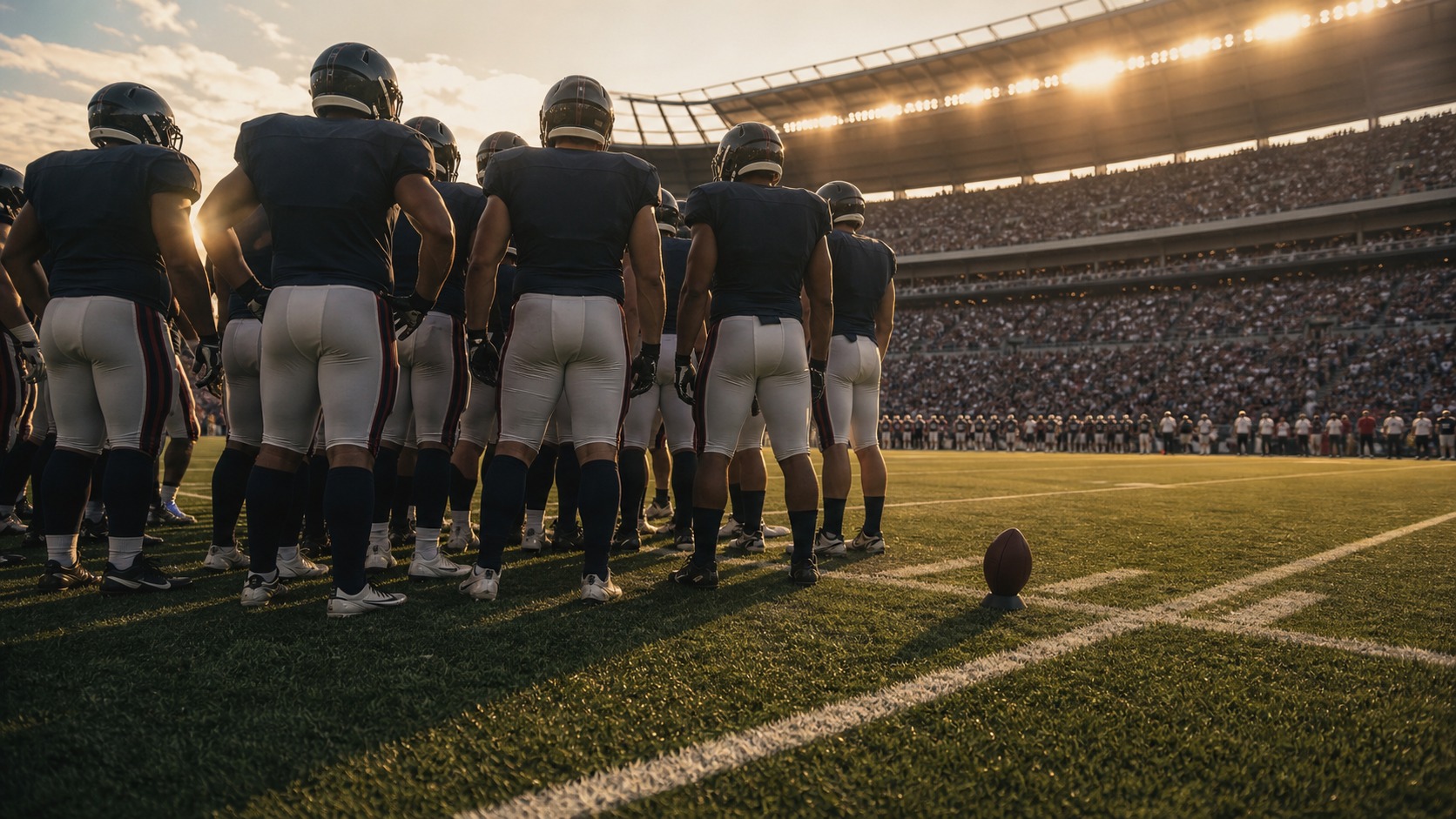
Modern football exists at the intersection of sport, business, and entertainment. Professional leagues such as the National Football League generate enormous economic impact, shaping cities, media landscapes, and global branding. Stadiums become landmarks. Broadcasts become shared rituals. Merchandise becomes a form of personal expression.
Yet even as football grows more commercial, its emotional core remains intact. Fans may debate rule changes, commercialization, or player movement, but their attachment to the sport persists because it is rooted in shared experience rather than transactions. The spectacle of modern football—lights, music, halftime shows—adds layers to the experience without replacing its essence. Beneath the production, the same fundamental drama unfolds: preparation, struggle, execution, and consequence. This balance between tradition and innovation helps football remain relevant across generations.
Football and Belonging in an Isolated World
In an era marked by digital interaction and social fragmentation, football offers something increasingly rare: collective presence. Watching a game together, whether in a stadium or a living room, creates a shared moment that cannot be fully replicated through screens alone.
This sense of belonging is especially important during times of uncertainty. Football seasons provide structure and anticipation. Weekly games offer rhythm and continuity. Even when life feels unpredictable, football remains a constant, anchoring people in familiar patterns and shared expectations. For newcomers to a city or country, football often serves as an entry point into community life. Supporting a local team provides an instant connection, a topic of conversation, and a way to feel included. In this sense, football functions as social glue, holding diverse communities together.
Why Football Endures
Football’s lasting power lies in its ability to operate on multiple levels at once. It is a physical contest, a cultural expression, a community ritual, and a personal identity marker. Few activities manage to blend these elements so seamlessly. The game continues to evolve, adapting to new technologies, audiences, and social realities. Yet its core remains unchanged: people coming together to watch, play, and care deeply about something larger than themselves. That collective care is what transforms football from a game into a shared human experience.
Conclusion: More Than a Scoreboard
To reduce football to points, yards, or trophies is to miss its true significance. Football lives in the memories people share, the identities they form, and the communities they build. It reflects culture, shapes belonging, and provides a stage on which human stories play out in real time. Long after the final score is forgotten, the feeling of connection remains. That is why football matters. It is not just something people watch or play—it is something they carry with them, a constant reminder that even in competition, community and identity endure.