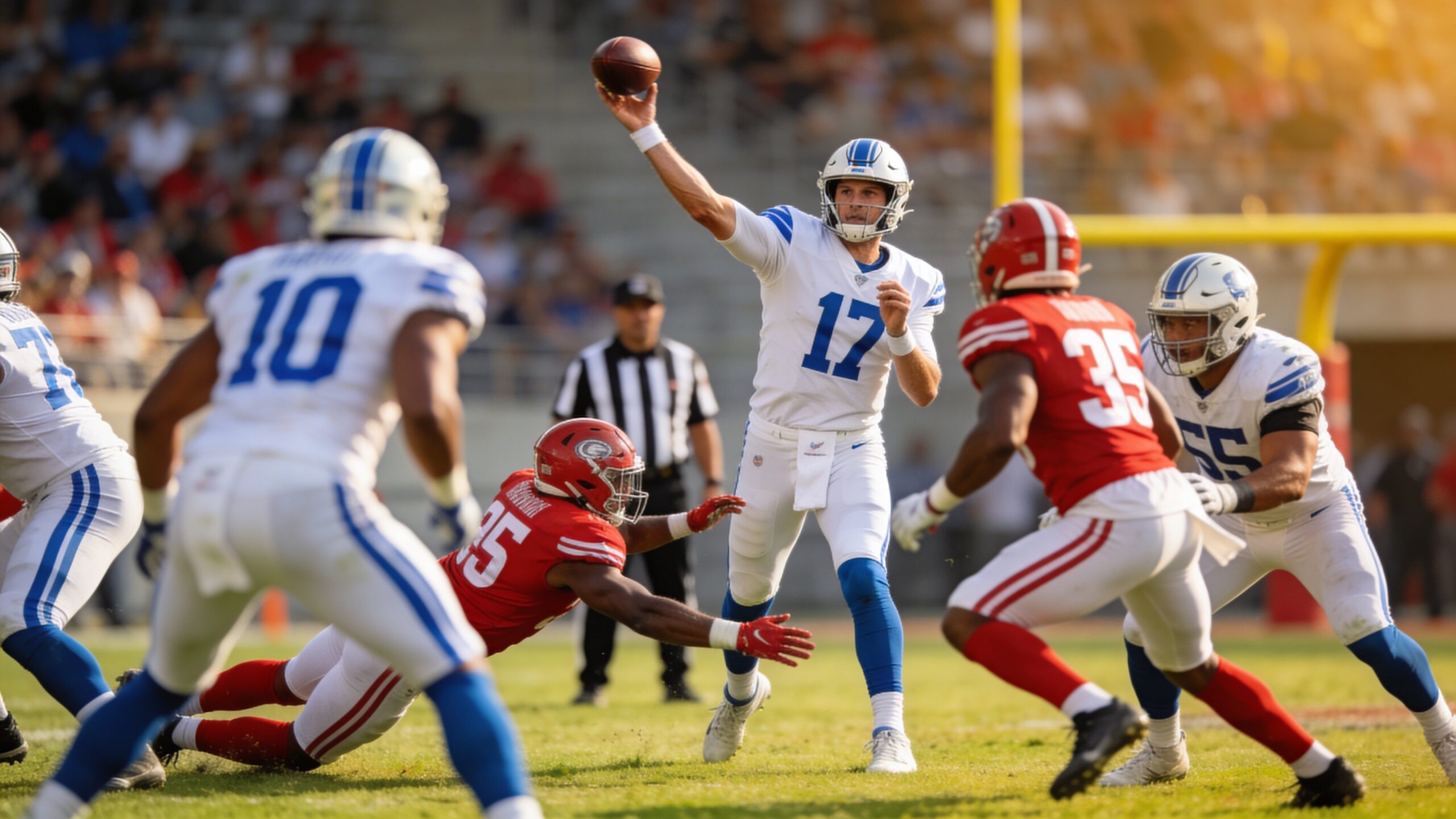
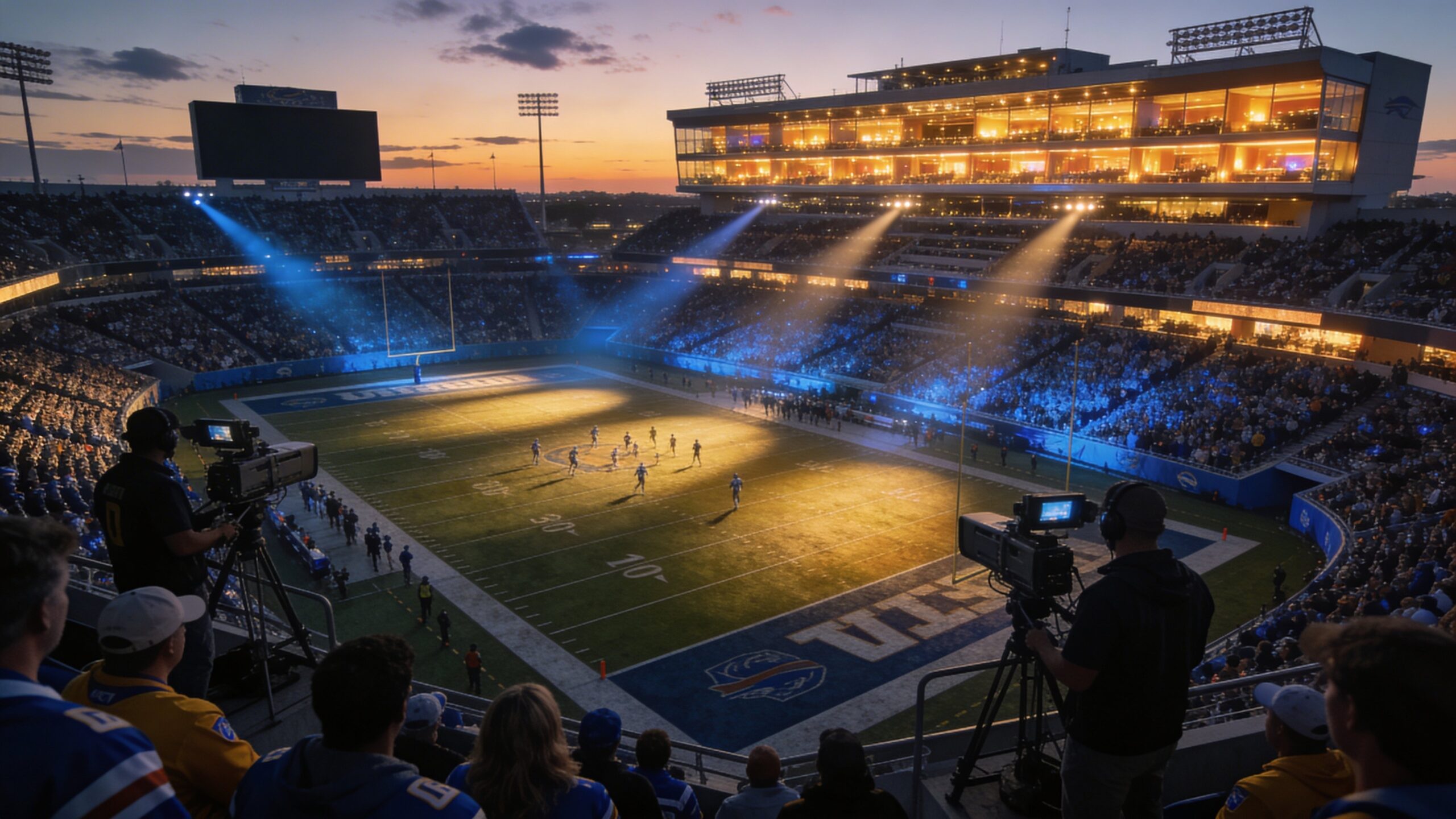
Football is more than a sport—it is a cultural force that has evolved over thousands of years, shaped by civilizations, institutions, communities, and technology. From chaotic village games played in ancient times to the meticulously regulated spectacle of today’s professional leagues, football’s journey mirrors humanity’s broader story of competition, organization, and shared identity. Understanding the complete history of football means tracing its roots far beyond stadium lights and television contracts, back to dusty fields, royal decrees, and moments when the game was as dangerous as it was beloved.
A: Different preferences on handling the ball led to separate rules.
A: It was founded in 1920.
A: To reduce injuries and open up the field.
A: Yes, it dominated before pro football rose.
A: It expanded audiences and revenue dramatically.
A: In the 1940s.
A: Safety, fairness, and entertainment drive updates.
A: Strategy grew as rules and coaching advanced.
A: Yes, technology and safety continue to reshape it.
A: Its mix of tradition, drama, and competition resonates deeply.
Ancient Roots: Ball Games Before Football Had a Name
Long before football existed as a formalized sport, humans across the world played games involving a ball and physical movement toward a goal. In ancient China, a game known as cuju involved kicking a leather ball through an opening in a net, often as part of military training. In Mesoamerica, ritual ball games combined athletic skill with religious significance, sometimes determining social or spiritual outcomes. Ancient Greece and Rome also featured ball-based contests, some emphasizing teamwork and others raw physical dominance.
These early games were not football as we know it today, but they established enduring themes: competition between sides, territorial advancement, physical endurance, and communal spectatorship. Most importantly, they demonstrated that the simple idea of moving a ball toward a target had universal appeal long before rules or leagues existed.
Medieval Football: Chaos in the Streets
The most direct ancestor of modern football emerged in medieval Europe, particularly in England. Known today as “mob football,” these games were played between neighboring villages or rival groups, often with few rules and no limits on the number of participants. Entire towns became playing fields, goals could be miles apart, and matches sometimes lasted all day.
Mob football was rough, unpredictable, and frequently dangerous. Injuries were common, property damage was expected, and fatalities were not unheard of. Kings and local authorities periodically attempted to ban the game, not because it lacked popularity, but because it disrupted daily life and threatened public order. Despite repeated bans, the game persisted, driven by tradition, local pride, and the thrill of unrestrained competition.
The Birth of Rules: Football Finds Structure
By the 18th and early 19th centuries, football began to change. British boarding schools such as Eton, Harrow, and Rugby introduced structured versions of the game as part of their physical education programs. Each school developed its own rules, some favoring kicking and others allowing the use of hands.
This period marked a critical turning point. The desire to compete between schools required standardized rules, and informal agreements gradually gave way to written regulations. In 1863, representatives from various clubs and schools met in London to form the Football Association, establishing a unified set of rules that separated association football (soccer) from rugby-style games. This split laid the groundwork for the modern football family tree, where different versions of the sport evolved in parallel rather than in conflict.
Football Crosses the Atlantic
As British influence spread through trade, education, and immigration, football made its way to North America. Colleges and universities in the United States adopted the sport in the mid-19th century, initially playing versions closer to rugby and soccer than modern American football. A decisive moment came in 1869, when Rutgers and Princeton played what is widely considered the first intercollegiate football game. Over the following decades, American colleges modified the rules to suit their preferences, emphasizing strategy, structured plays, and controlled physicality. These adaptations gradually transformed the game into something distinctly American.
Walter Camp and the Foundations of American Football
No individual shaped American football more than Walter Camp. Often called the “Father of American Football,” Camp introduced innovations that separated the game from its rugby roots. He established the line of scrimmage, the system of downs, and standardized player positions, bringing order and tactical depth to the sport.
Camp’s changes turned football into a chess match of physical strategy. Coaches became architects of complex playbooks, players specialized in specific roles, and spectators gained a clearer understanding of the game’s flow. This structure made football more watchable, more teachable, and ultimately more scalable as a competitive sport.
Safety, Controversy, and Reform
Early American football was brutally violent. In the early 1900s, serious injuries and deaths sparked national concern, prompting calls to ban the sport altogether. Even President Theodore Roosevelt intervened, urging reform to preserve football while making it safer. Rule changes followed, including the legalization of the forward pass, stricter enforcement of penalties, and the creation of protective equipment. These reforms saved football from extinction and accelerated its evolution into a more open, fast-paced game. The forward pass, in particular, revolutionized offensive strategy and expanded football’s entertainment value.
The Rise of Professional Football
While college football dominated the early landscape, professional football emerged in the early 20th century as industrial cities formed teams composed of working-class athletes. These early professional leagues struggled with financial instability, inconsistent rules, and limited public respect.
In 1920, several teams organized into what would become the National Football League. The league’s early years were modest, but gradual improvements in organization, scheduling, and marketing laid the foundation for long-term success. As star players emerged and rival leagues folded or merged, the NFL solidified its position as the premier professional football organization in the United States.
Television and Football’s Golden Age
The mid-20th century transformed football from a regional pastime into a national obsession. Television brought games into living rooms across the country, dramatically increasing viewership and revenue. Football’s stop-and-start rhythm proved perfectly suited for broadcast, allowing for replays, commentary, and commercial breaks. Iconic moments, legendary rivalries, and championship games captivated audiences, turning players into household names. The introduction of the Super Bowl unified the sport’s narrative into a single, annual spectacle that transcended sports and entered mainstream culture.
The Modern NFL: Strategy, Spectacle, and Scale
Today’s NFL is a global entertainment powerhouse. Teams are multi-billion-dollar organizations, stadiums are architectural landmarks, and game days are cultural events. Advances in analytics, sports science, and training have elevated athletic performance to unprecedented levels.
Modern football balances tradition with innovation. While core elements like teamwork, physicality, and competition remain unchanged, the game now incorporates data-driven decision-making, advanced safety protocols, and evolving rules designed to protect players. Debates over officiating, technology, and player health continue to shape the league’s future.
Cultural Impact and American Identity
Football has become deeply woven into American identity. From high school rivalries in small towns to massive Thanksgiving broadcasts, the sport serves as a shared language across generations. It reflects broader societal themes—discipline, perseverance, teamwork, and resilience—while also sparking conversations about equity, labor, and health. Beyond the United States, American football has developed international followings, with games played in Europe, Mexico, and beyond. While it may never replace global football traditions elsewhere, its influence continues to grow.
Football’s Enduring Legacy
From ancient ball games played for ritual or training to the modern NFL’s high-stakes drama, football’s history is one of constant adaptation. The sport has survived bans, controversies, and existential threats because it fulfills something fundamental in human culture: the desire to compete, to belong, and to witness greatness unfold in real time. As football moves forward, its past remains present in every kickoff, every formation, and every roaring crowd. Understanding the complete history of football is not just about rules and timelines—it is about recognizing how a simple game evolved into one of the most powerful sporting institutions in the world.