Football as a Community Language
Football brings communities together because it gives people a shared calendar, shared stories, and shared reasons to gather. The game can belong to a school, a town, a city, a workplace, a family, or a group of fans scattered across countries. Even when people disagree about teams or tactics, football creates a common language: where you watched, who you watched with, what moment changed the game, and why it mattered.
A: Yes. International clubs and fan groups adapt the sport to local cultures.
A: Winning helps, but repeated shared experience can matter even in hard seasons.
A: They connect families and volunteers while teaching the sport directly.
A: They can be, especially for supporters far from a stadium.
A: Yes, when rivalry stays playful, bounded, and rooted in shared history.
A: Clear routines, hospitality, and room for casual fans help newcomers belong.
A: Teams connect personal memory to a larger public story.
A: No, but it can support civic connection when handled thoughtfully.
A: They turn a distant event into a local shared experience.
A: Repetition, memory, and people willing to invite others in.
A Team Gives People a Meeting Place
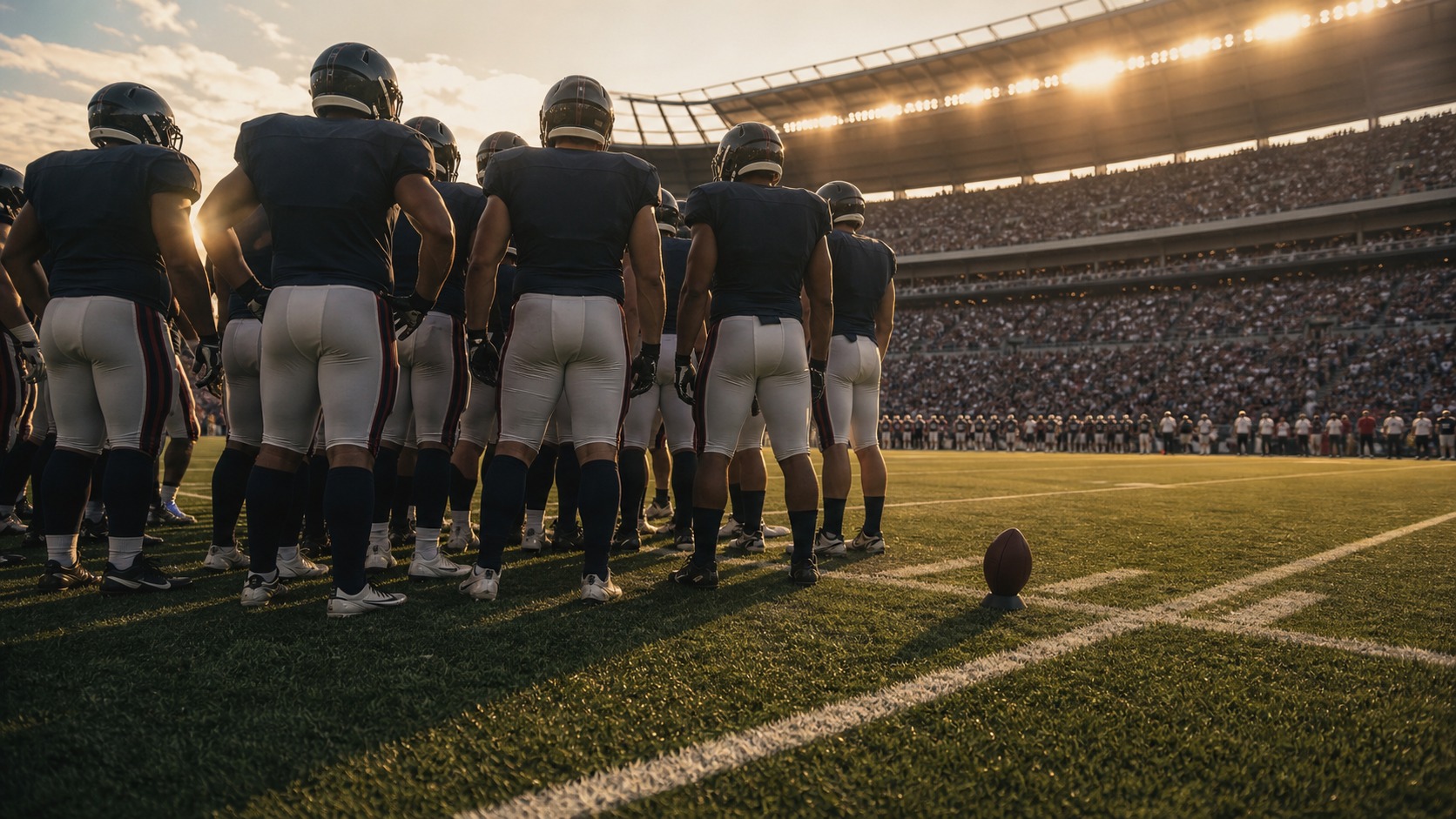
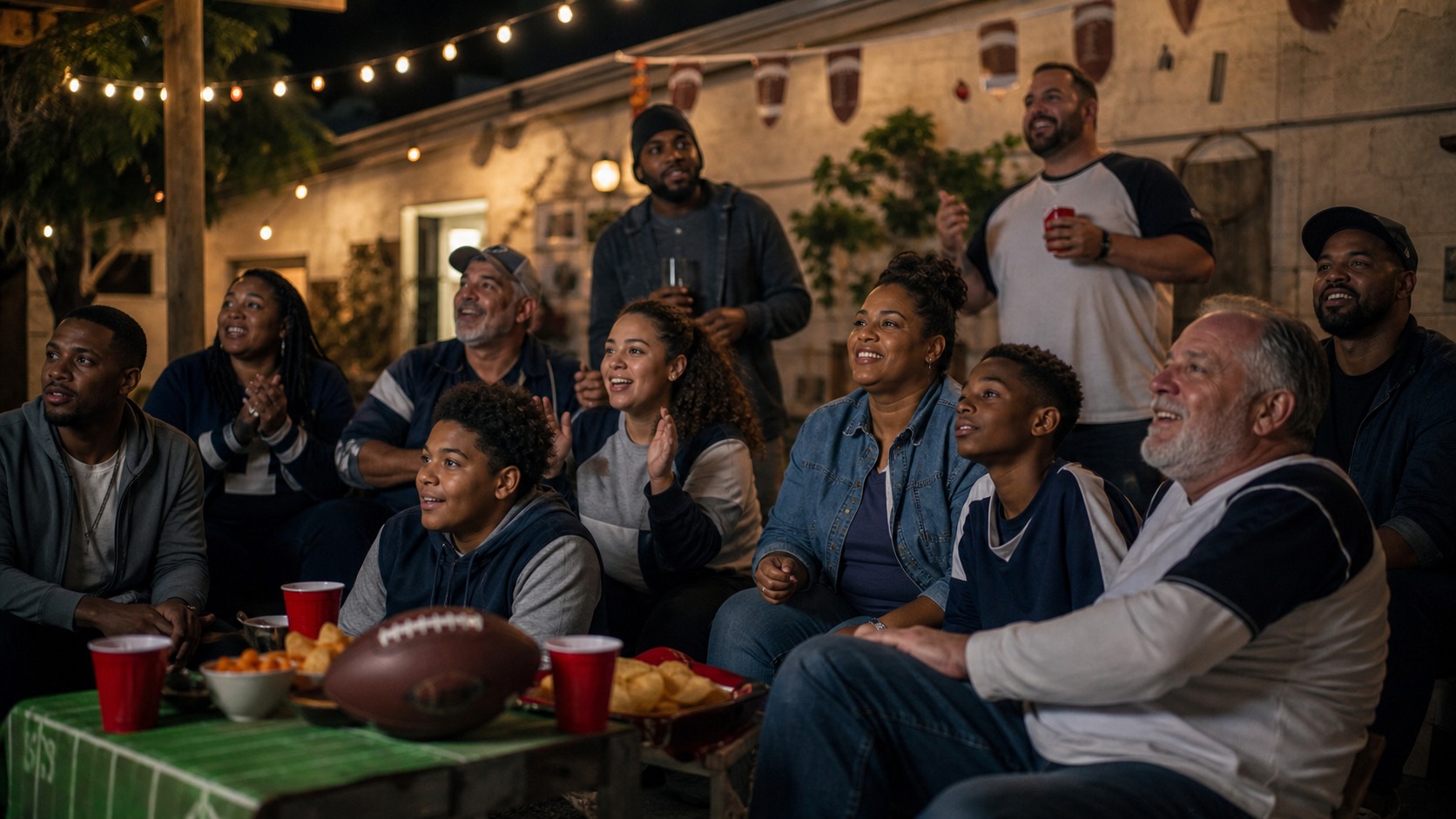
Community begins with a place to meet. Sometimes that place is a stadium, but it can also be a living room, a school field, a bar, a church hall, a military base, or a phone screen shared across time zones. Football works socially because it creates appointments people actually keep.
Those appointments matter in modern life, where schedules pull families and neighborhoods in different directions. A weekly game gives people permission to pause other routines and rejoin a group. The conversation may start with the opponent, the quarterback, or the weather, but it often moves toward work, children, travel, grief, celebration, and ordinary life.
The team gives the gathering a shape. People know when to arrive, what to bring, what colors to wear, and when the result will be decided. That predictability makes community easier to practice.
The meeting place does not need to be grand to matter. In many communities, the strongest football bond forms in modest spaces: a garage with folding chairs, a school concession stand, a field with uneven grass, or a small club room where volunteers stack equipment after practice. These places become meaningful because people return to them with expectation.
Football also gives people an easy way to re-enter community after absence. Someone who moved away can come back for a holiday game and immediately understand the conversation. Someone grieving, celebrating, or starting over can sit among familiar routines before finding the right words. The game supplies structure when life feels scattered.
That is why football communities often survive roster turnover. Players, coaches, and even stadium names may change, but the habit of gathering can remain. The community keeps the thread by teaching newcomers when the season begins, where people meet, and which old stories still deserve to be retold.
Local Football Carries Local Identity
Football can make a place visible to itself. A high school team may reflect a town's families, a college team may pull alumni back into relationship with a campus, and a professional team may give a city a national voice. The roster changes, but the community reads its own values into the team: toughness, patience, creativity, resilience, or defiance.
This is why local football often feels personal even to people who never played. The team becomes shorthand for the place. A cold-weather stadium, a small rural field, a loud indoor venue, or a neighborhood park can all become part of how supporters describe home.
Local identity is not always simple or sentimental. Teams can disappoint, divide, move, or commercialize what began as a grassroots bond. Still, football remains powerful because communities keep finding ways to make the sport their own, even when the business around it grows larger.
Local identity also becomes clearer during losing seasons. Anyone can join a parade, but a community reveals itself when the team is ordinary, injured, or rebuilding. The people who still show up, still argue honestly, and still welcome the next generation are often the ones who keep the culture from becoming purely transactional.
Youth Programs Connect Generations
Youth football brings communities together in a different way because it depends on adults who volunteer time, transportation, coaching, first aid, fundraising, and encouragement. A children's team is rarely just about the children on the field. It is also about parents learning one another's names, older players helping younger ones, and local sponsors choosing to support something visible.
The best youth programs teach more than football. They teach punctuality, shared responsibility, listening, and how to handle winning without arrogance or losing without shame. Those lessons are not automatic, and they depend heavily on the adults involved, but the structure of a team gives them somewhere to happen.
Across the world, local versions of American football have often grown through youth clinics, flag leagues, school clubs, and small amateur teams. These programs make the sport less distant. They turn football from something watched on screens into something practiced by neighbors.
Youth teams are often where adults discover the labor behind community sport. Someone lines the field, someone checks helmets, someone organizes snacks, someone manages signups, and someone stays late to make sure a child gets picked up. None of that shows up in a box score, but it is the connective tissue that makes the team real.
Those responsibilities can widen a community's circle. A parent who would never attend a town meeting may become deeply involved through a child's team. A former player may return as an assistant coach. A local business owner may sponsor uniforms and suddenly know the names of families across town. Football becomes a practical network, not just an emotional one.
Game Days Create Temporary Villages
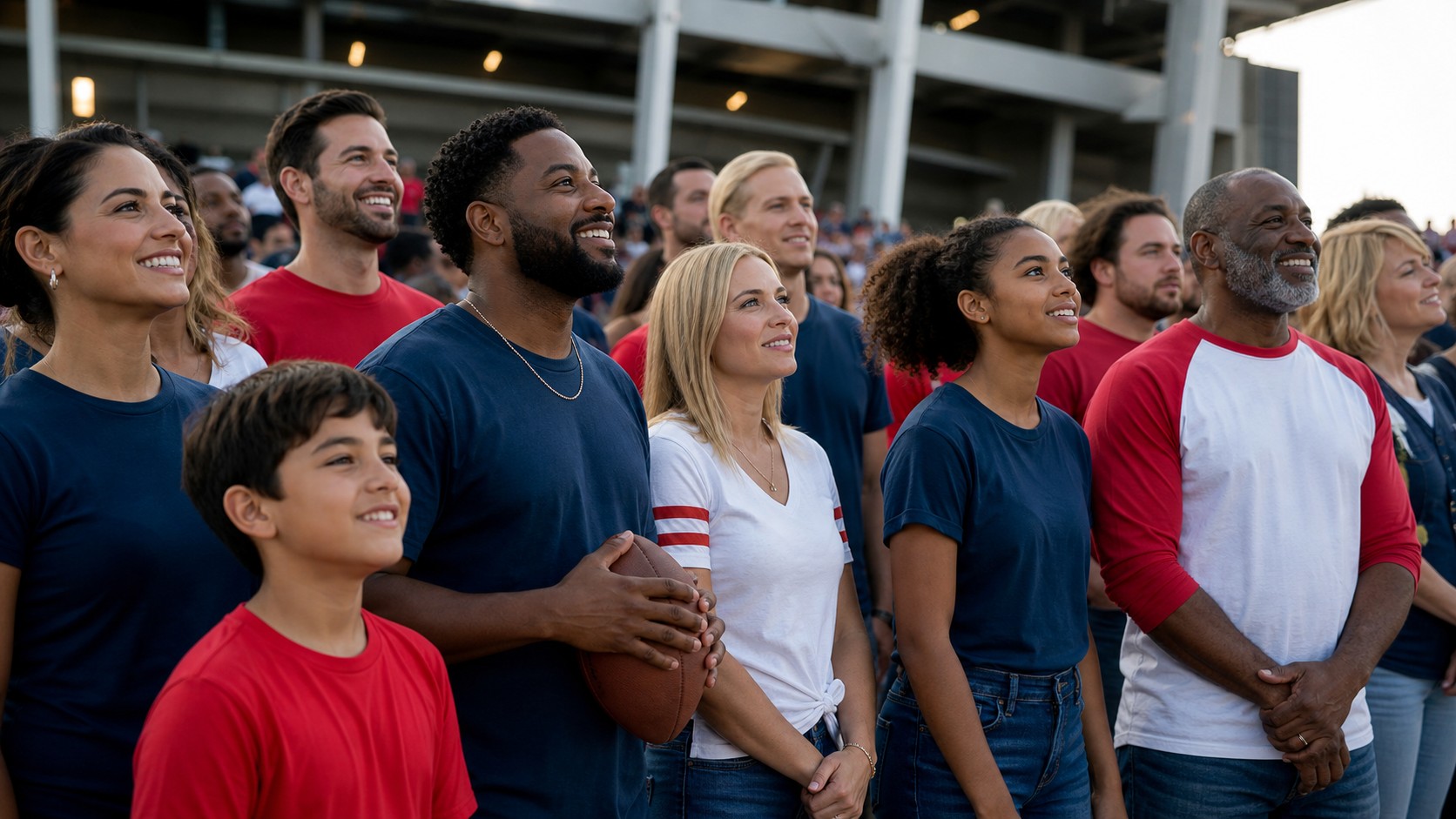
On game day, football can temporarily rearrange a community. Streets fill differently. Restaurants change menus. Families coordinate rides. Fans who may not know one another nod because they recognize a hat or color. For a few hours, the community becomes more legible through the sport.
This temporary village can be especially meaningful for people who are new to a place. Supporting a local team offers a path into conversation without requiring deep background. You can ask where to park, what chant means what, or which player to watch, and those small questions open doors.
Football gatherings also include people who live far from the team they support. Watch parties, online groups, and international fan clubs create portable communities. The place may be borrowed, but the feeling of belonging can still be real.
Game days can also bridge social distance because they create neutral openings. A neighbor who seems private during the week may become talkative over a kickoff. A coworker from a different background may suddenly have the same complaint about a late penalty. These small connections do not solve every division, but they create usable familiarity.
Rivalries Can Strengthen Bonds
Rivalries look divisive from the outside, but many of them actually strengthen community by giving fans a shared emotional test. The rival becomes a measuring stick, a source of jokes, and a reason to remember old seasons. People who support the same side often become closer because they carry the same scars and favorite arguments.
Healthy rivalry has boundaries. It allows teasing without cruelty and intensity without dehumanizing the other side. When rivalry stays inside those boundaries, it creates ritual drama. The game feels bigger because history sits beside the current standings.
Communities often preserve rivalry memories through stories. A parent tells a child about a snow game, a last-second kick, a controversial call, or a road win that became family legend. The rivalry keeps the past present.
Rivalry also gives communities a shared calendar of anticipation. People may talk about one game for months, measure a season by whether that opponent was beaten, and remember ordinary years through a single rivalry moment. The opponent provides contrast, and contrast helps identity become sharper.
The trick is keeping rivalry relational. When fans can laugh with a rival coworker on Monday, host relatives from the other side, or respect the opponent's history, the rivalry enriches the community instead of poisoning it. Football is at its best when passion and proportion can live together.
Football Offers a Common Emotional Script
Part of football's communal power is emotional. The sport creates suspense in small bursts: the huddle, the snap, the collision, the catch, the whistle, the replay, the ruling, the next down. Fans experience those bursts together, which makes strangers react like companions.
That common emotional script helps people express things they might otherwise keep private. Joy becomes acceptable. Disappointment becomes shared. Nervousness becomes noise. Hope becomes a prediction. Football gives emotion a public container.
This does not mean football solves community problems by itself. No sport can do that. But a shared emotional ritual can make people more visible to one another, and visibility is one ingredient of belonging.
Shared emotion is powerful because it does not ask everyone to explain themselves first. People can celebrate a touchdown together before they know one another's jobs, politics, or personal histories. In that brief reaction, the community practices unity in a low-stakes but genuine form.
Global Communities Adapt the Game
As American football spreads internationally, communities adapt it to their own contexts. Some countries build clubs around expatriates and local athletes. Others begin with flag football because it needs less equipment and fewer players. Some fans gather around the NFL first and then discover domestic or regional teams closer to home.
This global growth shows that community does not require identical traditions. A football gathering in Mexico, Germany, Japan, Brazil, Canada, or the United Kingdom can feel different while still sharing the same basic language of downs, drives, defense, and late-game nerves.
The sport becomes stronger when these communities add their own habits instead of merely copying American ones. Local music, food, chants, and volunteer networks make football feel rooted rather than imported.
International communities often begin with translation work, literally and culturally. Fans explain downs, drives, draft systems, and clock rules through comparisons that make sense locally. That teaching process is itself communal. People are not only consuming a finished sport; they are building the vocabulary that lets the sport belong where they live.
The growth of flag football has helped this process because it lowers the threshold for participation. A group does not need a full roster of padded players to feel the game. It can begin with open space, a ball, and a willingness to learn together. From there, community can grow at its own speed.
Why the Bond Lasts
Football's community bond lasts because it repeats. One great game can create a memory, but a season creates a pattern, and years create an inheritance. People come back not only for athletic excellence but for the chance to rejoin a familiar circle.
The result matters, of course. Winning seasons energize communities and losing seasons test them. Yet the deepest bonds are built through continued presence: showing up again, telling the story again, teaching the next person where to sit and what to expect.
That is how football brings people together around the world. It gives communities a reason to gather, a set of rituals to share, and a story that can be renewed every week.
The bond lasts longest when football is allowed to be more than consumption. Buying a ticket or watching a broadcast can start the connection, but community deepens when people cook, volunteer, teach, travel, host, remember, and invite. The sport provides the occasion; people provide the belonging.