The IFAF World Championship Explained
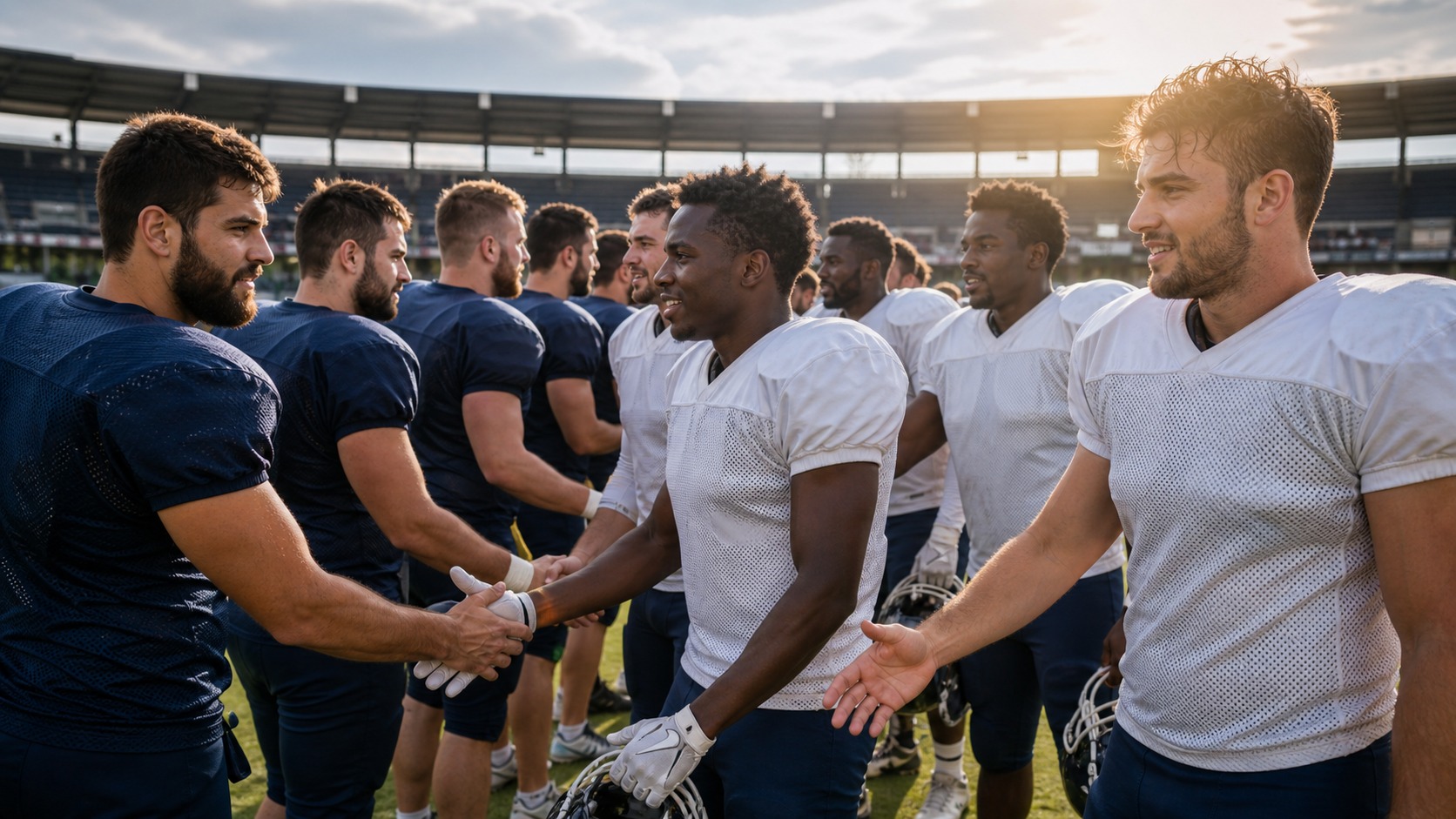
The IFAF World Championship in American football is an international competition that brings national teams together under the global federation structure for the sport. It is not the same thing as the NFL, college football, or a domestic club league. Instead, it asks how countries compare when eligible players represent national programs and compete under an international tournament framework.
A: No, it is an international national-team competition.
A: Eligible players representing national programs.
A: International Federation of American Football.
A: Players gather from different teams with limited camp time.
A: No, the World Championship is about national teams.
A: Countries have different player pools, resources, and experience levels.
A: Line play, special teams, and composure under pressure tell much of the story.
A: Yes, it gives federations goals and visibility.
A: Yes, IFAF also supports international flag football competition.
A: It makes global football development visible.
What IFAF Is
IFAF stands for the International Federation of American Football. It is the international governing body connected to the sport's global competition structure. Its role includes organizing or sanctioning competitions, supporting federations, and providing a framework for American football beyond domestic leagues.
That framework matters because American football is difficult to internationalize casually. The sport needs rules alignment, safety expectations, officials, eligibility standards, and tournament planning. IFAF gives countries a structure for competing beyond one-off friendlies.
For new fans, the easiest comparison is not perfect but helpful: IFAF sits in the international space that domestic leagues do not cover. It helps turn national programs into a global competition system.
IFAF's work also includes flag football, which has become increasingly important because it allows more countries and athletes to participate.
The championship also gives national programs a shared destination. Domestic leagues can be uneven, scattered, or seasonal in different ways, but a world event gives those systems a reason to align around player selection and preparation. That alignment is one of the quiet benefits of international competition.
For many countries, qualifying for or appearing in this kind of event can validate years of local work. It tells players that their domestic seasons connect to something bigger, and it gives coaches a reason to think beyond the next club game. That is why the championship can matter even before the opening kickoff.
What the World Championship Measures
The World Championship measures more than the talent of one roster. It measures a country's player pool, coaching education, federation organization, domestic competition, travel preparation, and ability to assemble a team for short tournament windows.
That is why results can be complicated. A country with a few excellent athletes may still struggle if it lacks depth at offensive line, defensive back, quarterback, or special teams. Another country may not have the flashiest stars but can compete well because its system is organized and disciplined.
World championship football is therefore a test of systems. The game on the field is the visible part, but the performance reflects years of domestic development underneath.
This makes the tournament valuable even when scores are uneven. The gaps show what countries need to build next.
In that sense, the tournament is both competition and audit. It shows what the top team can do, but it also shows whether a country's football base is broad enough to handle specialized roles.
The short-window nature of the event changes the football. Coaches cannot install endless wrinkles, players may be coming from different club systems, and language or terminology can become a real competitive factor. Successful teams usually simplify without becoming predictable.
Depth is usually the difference between a team that can compete for a full tournament and a team that only has a strong starting group. Injuries, fatigue, and matchup problems expose shallow rosters quickly, especially at positions that require size and specialized technique.
Development matters because the championship is a snapshot, not the whole movie. A country's performance reflects the domestic coaching pipeline, youth participation, club standards, and administrative support that existed long before the tournament began.
How National Teams Prepare
National teams prepare differently from clubs. A club may practice together for a season, while a national team often gathers players from multiple teams and locations. Coaches have to install a practical system quickly and choose players who can communicate under pressure.
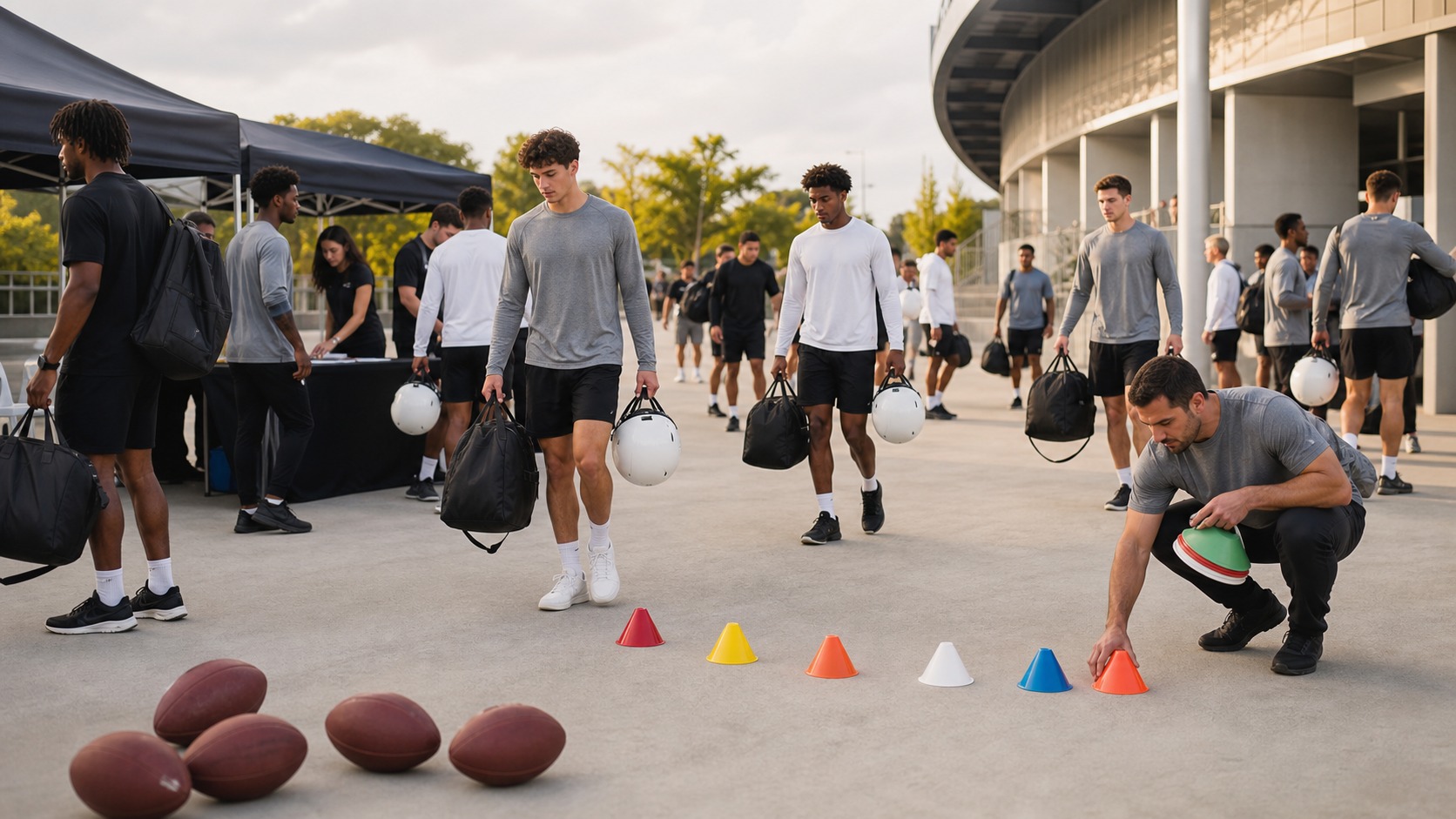
Preparation includes more than playbooks. Teams need travel plans, equipment checks, medical coverage, eligibility paperwork, scouting, translation if needed, and recovery schedules. International football rewards programs that treat logistics as part of performance.
Because practice time is limited, clarity matters. A national team may simplify its offense, reduce defensive calls, or emphasize special teams discipline. The goal is not to show the biggest playbook. It is to play the cleanest football possible with the time available.
The best-prepared teams often look calm in situations that overwhelm newer programs.
The players also have to adjust to the emotional tone of national-team football. A mistake can feel heavier when it is attached to a flag, federation, or home program rather than one club season. Teams that manage that pressure calmly often look more mature than their raw talent alone would suggest.
Preparation also includes ordinary details that become important under travel pressure. Meals, meetings, equipment, recovery, translation, and medical support can all influence performance. International football rewards federations that treat those details as part of competition rather than background logistics.
Why the Tournament Is Different From the NFL
The IFAF World Championship is different from the NFL in purpose, scale, and roster structure. The NFL is a professional domestic league with franchises, contracts, weekly media attention, and a long regular season. The World Championship is an international national-team event designed to compare countries.
That difference changes how fans should watch it. NFL fans often expect elite professional execution on every snap. International tournament football should be judged by a different lens: program growth, national-team cohesion, development gaps, and the challenge of short preparation.
This does not make the World Championship less meaningful. It makes it meaningful in another way. The tournament shows whether American football is becoming organized in more places.
A smaller crowd or broadcast does not erase the significance for players representing a country.
That lens makes the event more enjoyable. Instead of asking why it does not look exactly like an NFL Sunday, fans can ask which countries are organizing the sport most effectively.
Roster construction is another major difference. Professional leagues can build around contracts, salary rules, drafts, and long-term systems. A national team often has to assemble the best eligible players from different clubs, regions, or experience levels, then make them coherent quickly.
That makes the coaching job more selective. A national-team staff may choose a smaller playbook, clearer terminology, and packages that fit the available roster instead of forcing players into a preferred domestic system.
Why Eligibility and Development Matter
Eligibility rules determine which players can represent a country, and those rules matter because football talent often crosses borders. Players may have citizenship, family heritage, residency, or playing backgrounds that connect them to more than one national program.
Strong programs use eligible experience wisely without ignoring domestic development. A roster built only from outside experience may compete quickly, but it does not necessarily prove that the sport is growing at home. A roster with homegrown contributors shows deeper progress.
Development matters because American football requires many specialized roles. A country needs quarterbacks, linemen, receivers, defensive backs, kickers, long snappers, coaches, trainers, and officials. One famous athlete cannot create a complete national team alone.
The World Championship pushes federations to think beyond one tournament and build a pipeline.
A first down, a red-zone stop, or a clean special-teams exchange may be more meaningful than it appears. For some programs, those moments show that coaching, conditioning, and player depth are catching up to ambition.
Eligibility gives the tournament its national-team character. A country is not simply collecting the best available club athletes; it is defining who can represent the program under international rules. That makes roster decisions part football evaluation, part administration, and part identity.
What New Fans Should Watch
New fans should watch the line of scrimmage first. International gaps often appear there because line play requires coaching, strength, technique, and depth. If a team can protect its quarterback and stop the run, it likely has a stronger football base than the scoreboard alone suggests.
Special teams are another clue. Clean punts, coverage lanes, snaps, and field-position decisions show whether a team has practiced details. In short tournaments, special-teams errors can swing games quickly.
Watch also for how teams adjust after halftime. A program that can correct mistakes under tournament pressure may be more advanced than one that only starts fast.
The final thing to watch is body language after setbacks. National-team football is emotional, and composed teams often reveal stronger preparation.
The tournament can also be a classroom for coaches and officials. Teams see different tempos, line techniques, defensive structures, and special-teams habits than they may face domestically. Officials work games with international pressure, and administrators learn what kind of event preparation their federation still lacks.
Special teams deserve extra attention because they reveal preparation quickly. Punt protection, coverage lanes, field-position decisions, and return discipline can separate a composed national program from a talented but underprepared one.
Line play is equally revealing. Quarterbacks and receivers may draw the eye, but offensive and defensive lines show whether a country has developed enough athletes for football's most specialized positions. In international play, those trenches often tell the truth before the scoreboard does.
A first-time viewer should also watch sideline organization after setbacks. International teams often reveal their preparation in the minute after a turnover, long return, or missed assignment. Calm communication can matter as much as any single play call.
Why the IFAF World Championship Matters
The IFAF World Championship matters because it gives American football a global benchmark. It does not replace domestic leagues, and it does not need to imitate the NFL. Its purpose is to show how national programs are developing and to give countries a meaningful international goal.
For players, it can be one of the highest honors available: representing a country in a sport they may have helped build locally. For federations, it is a test of planning. For fans, it is a window into football's global future.
The tournament's value is not only in crowning a winner. It is in making progress visible. Every cleaner game, deeper roster, and stronger federation makes international American football more real.
That visibility is powerful because global football needs milestones. Federations can point to the championship and ask what must improve before the next cycle.
For fans, the event is most rewarding when watched with patience. The championship is not only a chase for a trophy; it is a periodic report on how far national programs have come and how far they still need to go.
The championship also gives international football a memory bank. Each cycle leaves behind rosters, results, surprises, disappointments, and lessons that federations can use to recruit and plan. Without events like this, global development would be much harder to measure.
The event's larger value is that it gives American football a recognized global scoreboard without pretending that every country is at the same stage. Fans can celebrate the champion while still noticing the smaller signs of progress that make the next cycle more competitive. That balance is what makes the tournament especially useful for serious followers and new fans alike.