National Teams Give Football a Global Frame
American football national teams compete around the world by gathering eligible players to represent countries in international tournaments, regional competitions, and world championship pathways. The structure is smaller and less visible than soccer's national-team system, but the idea is familiar: players who normally belong to clubs, colleges, or domestic leagues come together under a national program and test their country's football development against others.
A: Yes, many countries field national teams in international competition.
A: No. They represent countries under federation structures.
A: Eligibility depends on rules involving citizenship, residency, heritage, or registration.
A: Usually less often than clubs because tournaments and travel are harder to organize.
A: American football needs many specialized roles and significant preparation.
A: Yes, they create realistic pathways and rivalries.
A: It reflects the strength of the wider football system, not just one lineup.
A: Yes, it broadens participation and teaches transferable skills.
A: National teams show how global the sport is becoming.
A: Building deeper domestic systems so international games become more competitive.
Who Organizes International Competition
International American football is organized through federations and national governing bodies rather than one domestic league. These organizations set eligibility rules, sanction competitions, coordinate tournaments, and try to create standards across countries with very different football resources.
The international structure matters because American football is expensive and specialized. Without governing bodies, it would be difficult to align rules, safety expectations, officials, rosters, and tournament schedules. National teams need more than enthusiasm; they need administration.
The sport's global structure continues to evolve. Some countries have established programs, while others are building basic participation. That gap makes international competition both exciting and uneven.
For new fans, the important point is that national-team football measures systems, not only stars. A strong national team usually reflects domestic coaching, youth development, club depth, and organizational seriousness.
Good governance also helps protect players from confusion. When schedules, eligibility, and medical expectations are clear, athletes can commit with confidence rather than wondering whether the tournament will be organized properly.
A national team also needs credibility with clubs. If clubs trust the federation, they are more likely to release players, share information, and see international duty as an honor rather than a disruption.
That credibility takes time. Federations earn it by communicating clearly, choosing staff carefully, treating players professionally, and making sure each camp feels like part of a larger plan.
The countries that improve fastest usually treat administration, coaching, and player welfare as connected parts of the same competitive project, year after year together.
How Players Become Eligible
Eligibility rules determine who can represent a country. Those rules can involve citizenship, residency, heritage, federation registration, or tournament-specific requirements. Exact details can vary, so national programs must build rosters carefully.
Eligibility matters because American football has a large diaspora and many players with connections to more than one country. A player may have been born in one place, raised in another, educated in the United States, and connected to a national program through family background. International football has to sort those realities fairly.
The best national teams balance eligibility with development. Imported experience can help, but a program gains credibility when it also produces homegrown players who learned the sport inside that country's system.
Eligibility can also shape identity. Some supporters prefer rosters built almost entirely from domestic development, while others welcome diaspora players who bring experience and connection. Most programs have to balance both instincts.
Diaspora players can be especially valuable when they approach the program as builders rather than guests. Their experience can raise standards while their connection to the country gives the roster emotional depth.
The conversation is sensitive because national teams carry symbolic weight. A roster should be competitive, but it should also help the domestic community believe that the pathway is real for players developed at home.
Rosters Are Built Under Tight Conditions
National-team rosters are not assembled like professional club rosters. Coaches often have limited camps, limited budgets, and limited time to install systems. Players may come from different clubs, leagues, languages, and tactical backgrounds.
That makes simplicity valuable. A national-team coach has to choose schemes players can execute quickly without stripping away too much ambition. Communication, conditioning, and role clarity matter as much as playbook volume.
Depth is often the biggest challenge. A country may have a strong starting quarterback or a few excellent linemen but struggle to fill every specialized role. American football requires many body types and skill sets, so national-team quality depends on the whole player pool.
Special teams can be especially revealing. They require depth, discipline, and practice time, all of which can be scarce in short international camps.
The roster that looks best on paper is not always the one that performs best together.
Coaches also have to decide what kind of identity can be installed quickly. A national team may not have time for a huge playbook, but it can still build a clear personality around effort, tackling, tempo, or ball security.
Roster building becomes even harder when players arrive with different levels of contact experience. Some may come from high-level tackle leagues, others from smaller domestic clubs, and others from flag backgrounds that give them athletic skill but less blocking or tackling history.
The most successful staffs usually build around what the roster can actually do, not what an ideal playbook would contain. International football rewards honesty about strengths and limitations.
Tournaments Create Compressed Pressure
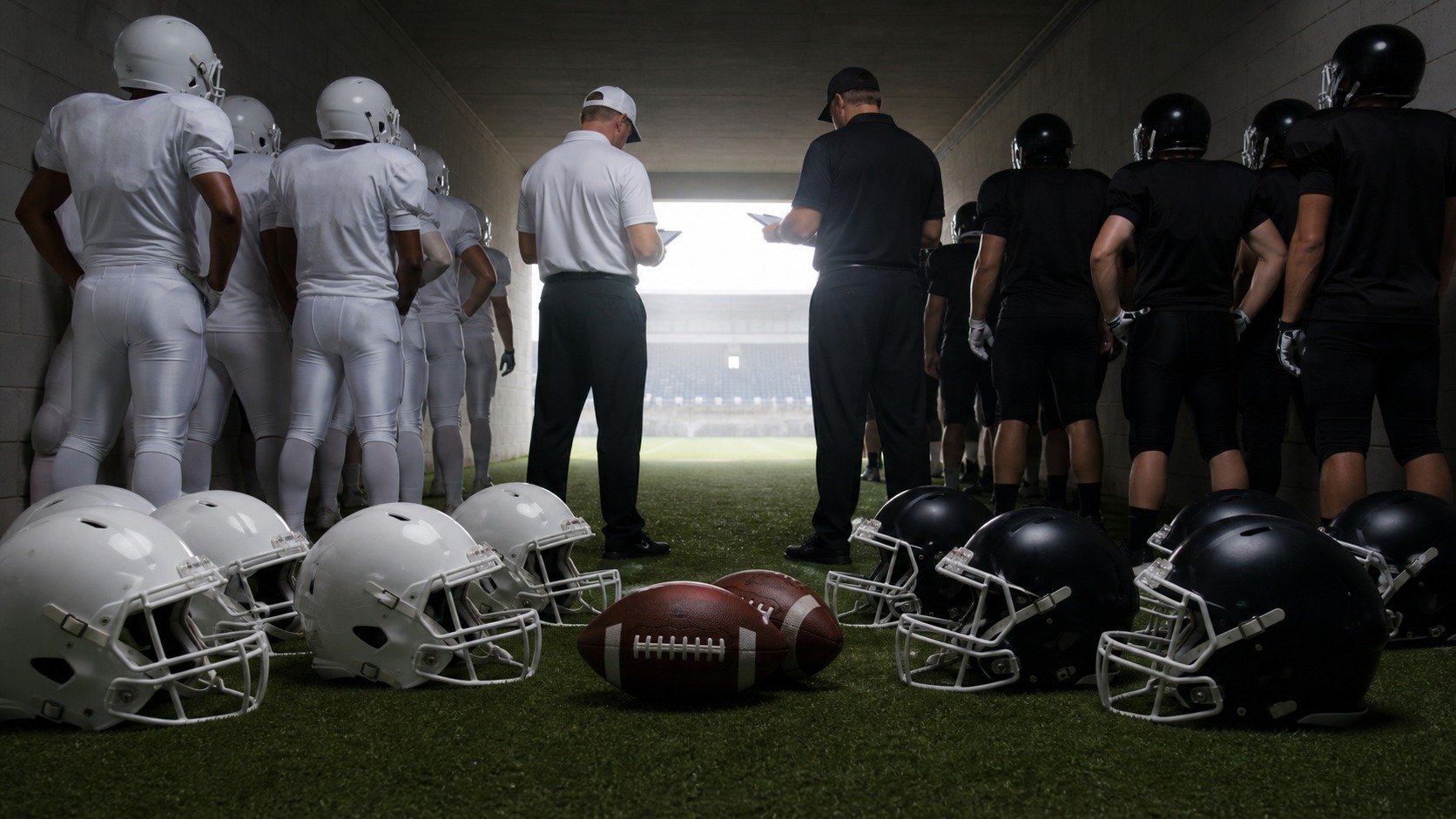
International tournaments usually compress preparation and competition into a short window. Teams may travel long distances, adjust to unfamiliar fields, and play opponents they rarely see. That creates a different kind of pressure from a domestic league season.
Coaches have to prepare for uncertainty. Film may be limited. Opponents may use unfamiliar systems. Weather, travel fatigue, and equipment logistics can become real factors. In a short tournament, one slow start can change everything.
The compressed format also creates strong emotional stakes. Players know they may not get many chances to represent their country. That can produce intense focus, but it can also lead to nerves if the program lacks experience.
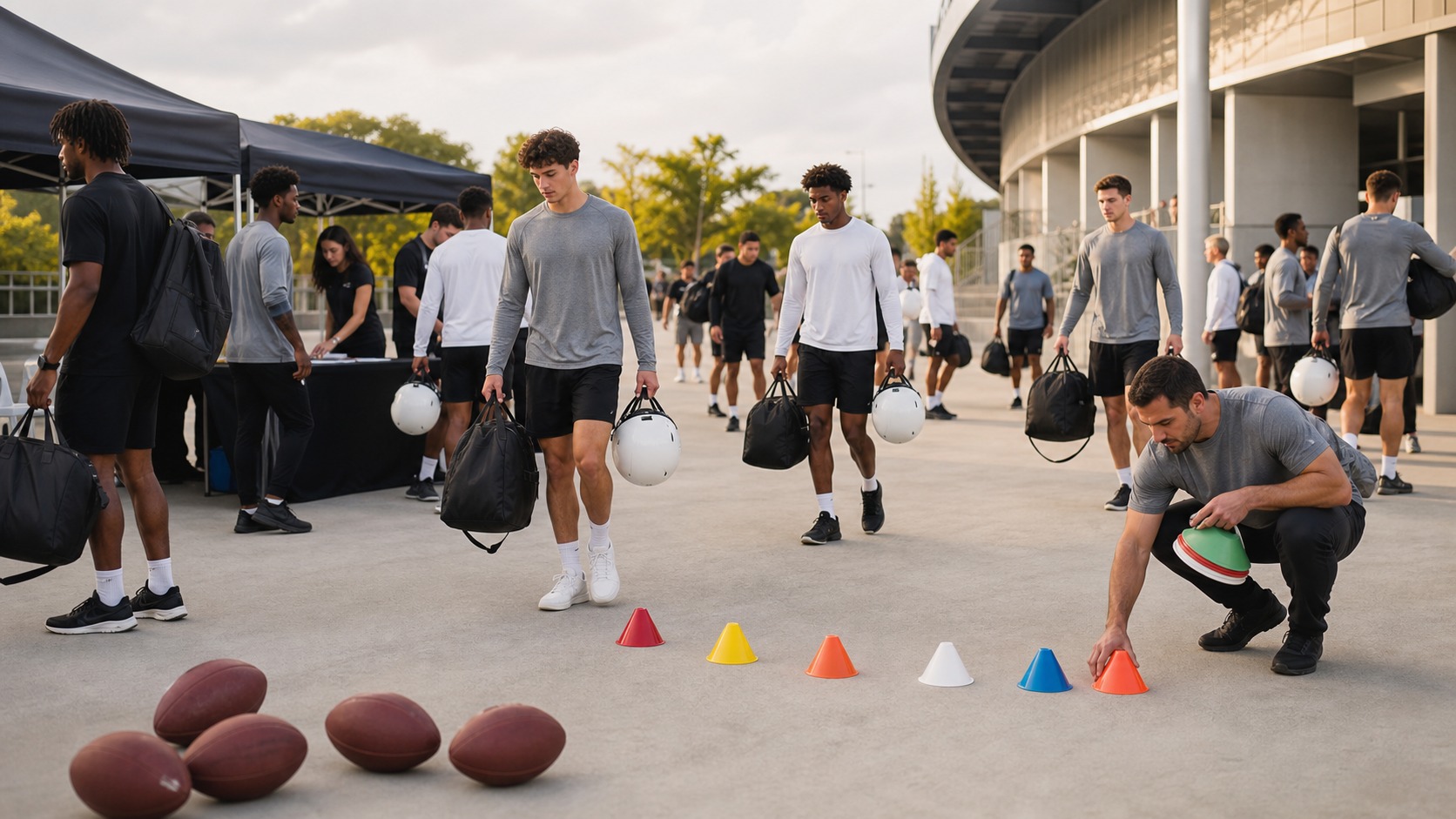
Tournament pressure is also logistical. Teams must manage meals, recovery, equipment checks, meetings, and transport while preparing for opponents. The best programs treat those details as part of performance rather than background noise.
Short tournaments also reward emotional maturity. A team cannot spend two days grieving one loss if another opponent is waiting. National programs learn to reset quickly or watch the tournament move past them.
Regional Competition Builds the Pathway
Regional competitions are important because they give national teams more realistic steps. Not every program is ready for the same global stage at the same time. Regional play lets countries face nearby opponents, build rivalries, reduce travel, and measure progress more often.
These competitions also help administrators. They reveal whether a country has enough depth, whether coaching education is working, whether officiating standards are improving, and whether players can handle international travel and tournament demands.
For fans, regional games can be more meaningful than the biggest global event because the opponents are familiar and the development stakes are clear. A win over a regional rival may show that a program is moving from participation to competitiveness.
Regional pathways also make the world championship picture more credible by giving teams a route rather than a single invitation.
These regional steps can be emotionally powerful because progress is visible. A team that once struggled to finish games may begin controlling halves, then winning quarters, then challenging opponents it used to fear.
Regional competition can also reduce intimidation. A young program may not be ready for the world's deepest teams, but it can still learn to travel, scout, and compete against countries facing similar growth problems.
Those steps make improvement measurable. A federation can point to better results, cleaner games, deeper rosters, or more competitive rematches as evidence that the system is learning.
National Teams Reflect Domestic Development
A national team is usually the visible tip of a domestic system. If a country has strong clubs, youth programs, coaching clinics, flag football growth, and regular competition, the national team has more to draw from. If the domestic base is thin, the national team may depend heavily on a small group of exceptional athletes.
This is why national-team results should be read carefully. A lopsided score may reflect years of different resources rather than one bad game. A close loss against a stronger program can be a sign of serious progress.
National teams can also inspire domestic growth. When young players see their country compete internationally, the sport feels bigger and more possible. Representation creates motivation.
The strongest programs use national-team visibility to feed the grassroots level instead of treating it as a separate showcase.
That is why national programs should not treat senior tournaments as isolated showcases. Every camp should feed knowledge back into clubs, coaches, and youth players.
When domestic programs improve, national teams gain options. A coach can choose between multiple linemen, rotate defensive backs, build special teams with real depth, and survive an injury without the whole plan collapsing.
That depth is usually the difference between a country that can produce one strong tournament and a country that can remain competitive across cycles.
A strong national program therefore thinks in cycles. It asks which players can help now, which coaches need experience, which youth groups are coming next, and which domestic competitions must improve before the next tournament.
Why International National-Team Football Matters
National-team football matters because it gives American football a global measuring stick. Clubs show where the sport is played locally, but national teams show how countries organize, teach, and develop the game across their systems.
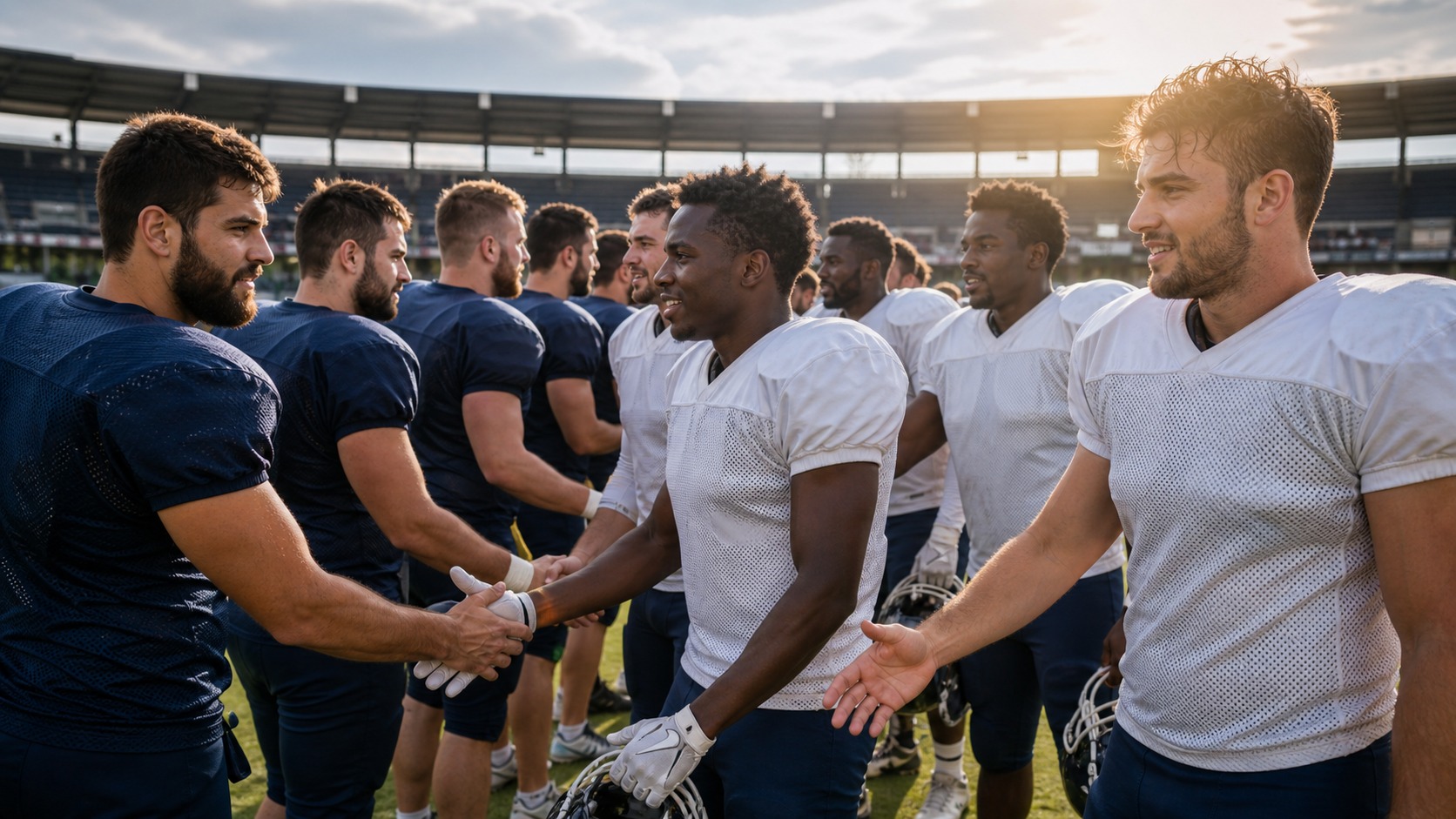
It also gives players a different kind of honor. Club football is about season work and local identity. National-team football adds representation. For many athletes, wearing a national uniform is rare and deeply personal, even if the crowd is smaller than in professional leagues.
The international game is still developing, and that is part of its appeal. Fans are not only watching who wins today. They are watching which countries are building the foundations to compete better tomorrow.
International football also gives the sport a different emotional register. Club rivalries can be intense, but national-team games ask players to represent a wider football community. That responsibility can be motivating, humbling, and difficult at the same time.
The long-term goal is not only better tournaments. It is deeper football systems in more countries, so national-team games become competitive because the sport is healthier underneath.
For supporters, national-team football can make the sport feel less imported. Seeing local athletes represent the country turns American football into something connected to home, not only to U.S. television.
That is the promise of national-team football. It gives countries a reason to build more than one strong roster; it asks them to build a football culture that can keep producing one.
For players, that culture can turn one tournament into a lifelong connection. Even if they return to different clubs afterward, they carry shared standards and relationships back into the domestic game.
A national team can also change how young athletes imagine the sport. Instead of seeing American football only as something played somewhere else, they can see a pathway connected to their own country.
That shift in imagination is one of the quiet powers of international competition. It makes the global game feel reachable.
That reachability is what turns a tournament result into development fuel. A young player watching at home can imagine joining the pathway rather than merely admiring it from a distance.