Introduction: A Game Built Across Centuries
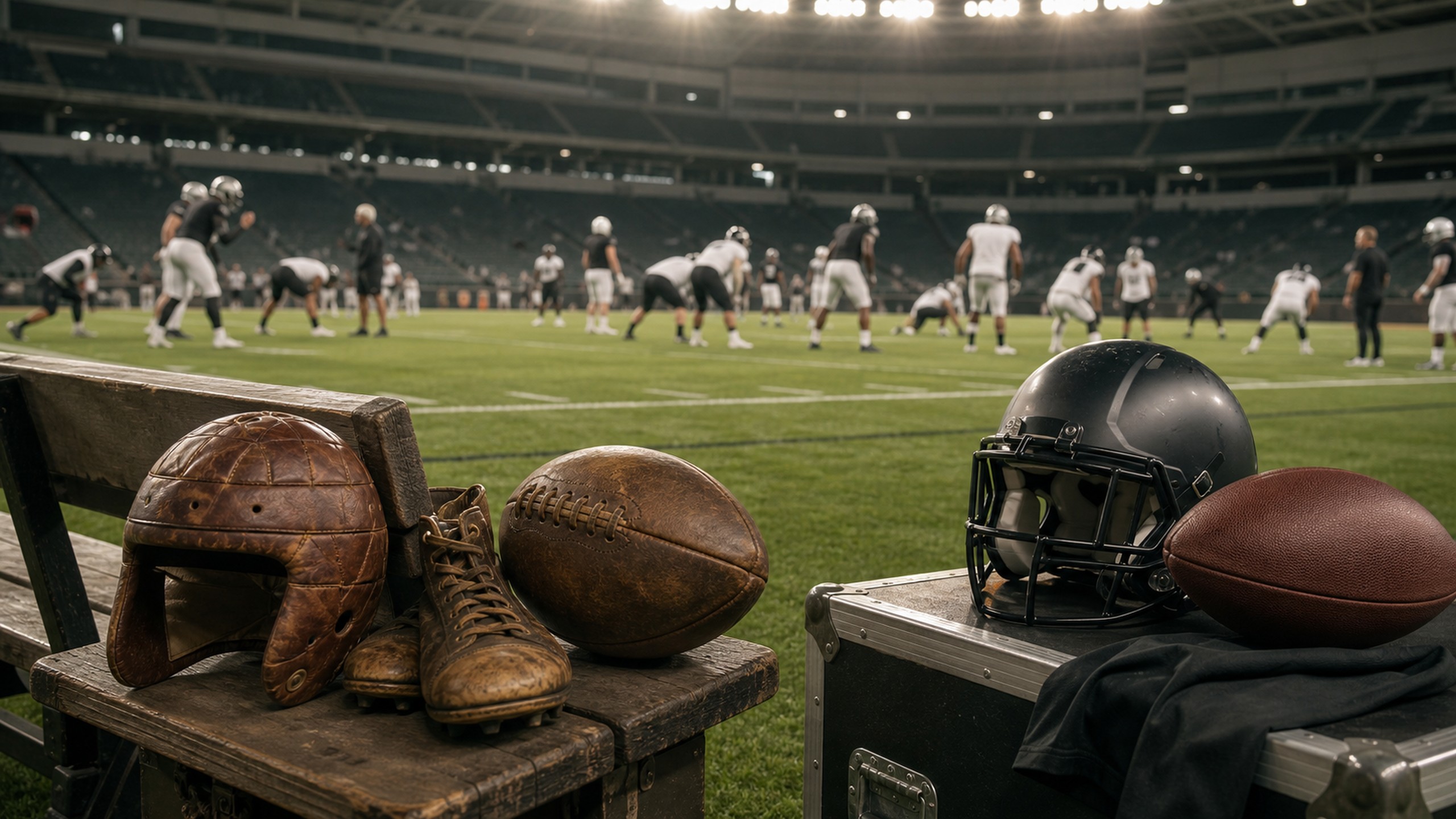
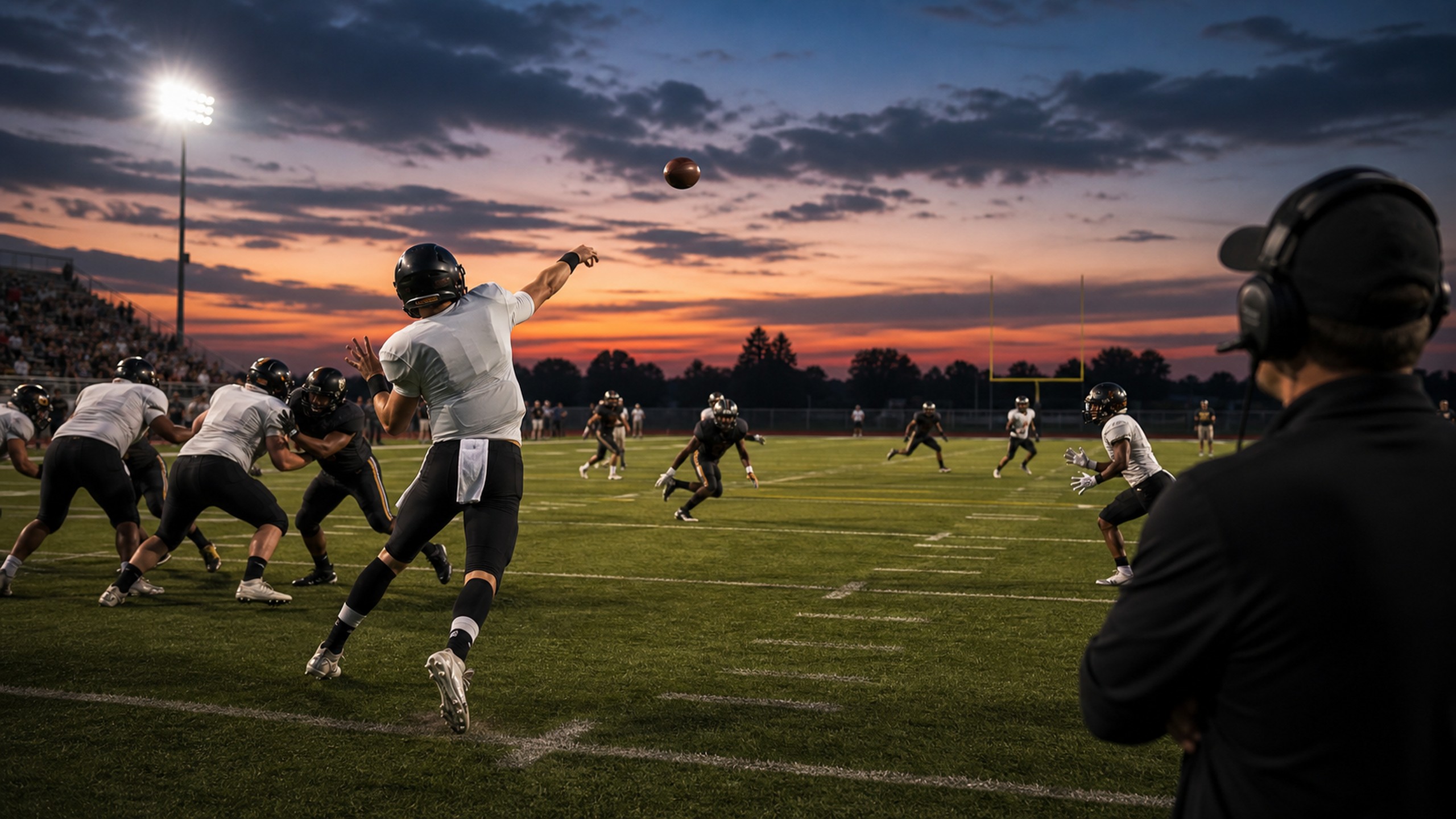
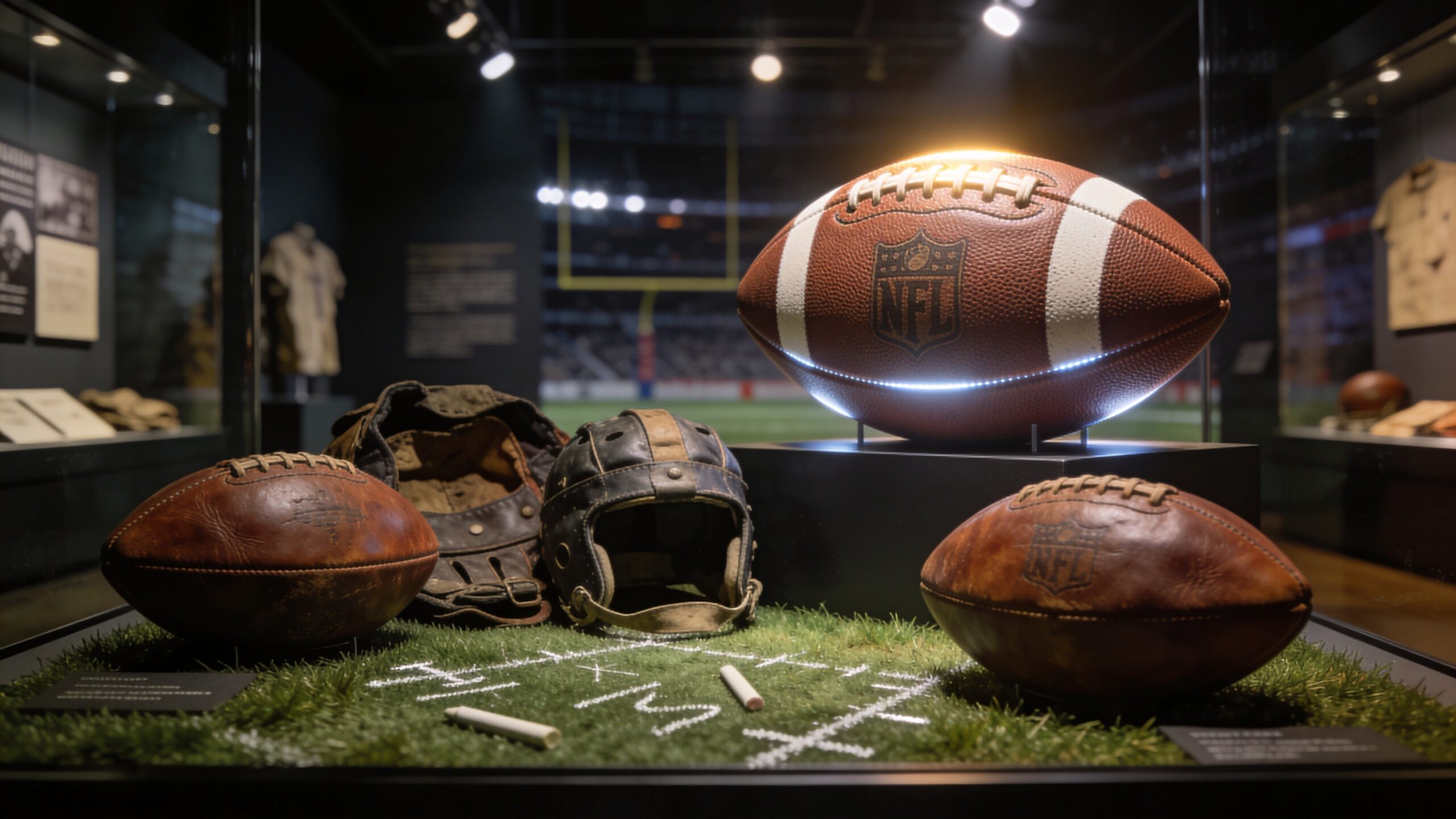
Football is one of America’s most powerful cultural forces, but its story begins long before packed NFL stadiums, Super Bowl commercials, fantasy leagues, instant replay, and primetime broadcasts. The game we now know as American football was shaped by ancient contests, medieval festivals, elite school traditions, college rivalries, tactical experiments, professional ambition, and decades of technological change. It is not simply a sport with a rulebook. It is a living timeline of competition, strategy, identity, and spectacle. To understand football, you have to see it as an evolution. At different points in history, it looked like a village brawl, a schoolyard chase, a rugby match, a college experiment, a dangerous collision sport, a professional gamble, a television product, and finally a global entertainment machine. Each era added something essential: the ball, the field, the line of scrimmage, the forward pass, the touchdown, the draft, the championship game, the helmet, the playbook, and the modern NFL stage.
A: Football grew from many ancient and medieval ball games, then developed through British school sports, rugby, and American college competition.
A: The 1869 Rutgers vs. Princeton game is commonly recognized as a key beginning point for organized American college football.
A: Walter Camp played a major role by shaping rules such as the line of scrimmage, the down system, and team organization.
A: It opened the field, reduced reliance on mass running formations, and helped create the passing strategies central to modern football.
A: The league began in 1920 as the American Professional Football Association and later became the National Football League.
A: It brought national television drama, overtime suspense, and helped push professional football into mainstream popularity.
A: It began after the AFL challenged the NFL, eventually creating a championship matchup that grew into America’s biggest sports event.
A: Gear evolved from minimal leather protection to advanced helmets, pads, gloves, cleats, and performance technology.
A: Every play starts from a set formation, allowing coaches and players to plan blocking, routes, coverage, pressure, and deception.
A: Speed, passing, analytics, media coverage, player safety reforms, global branding, fantasy football, and year-round fan engagement define today’s NFL.
Ancient Origins: The Earliest Ball Games
Long before American football had yard lines and goalposts, ancient cultures were already obsessed with games that mixed running, kicking, throwing, and physical contact. Civilizations across the world created ball games that tested strength, coordination, teamwork, and courage. These early contests were not football in the modern sense, but they introduced a powerful idea: people loved organized battles over possession of a ball. In ancient China, a game often associated with early football history was cuju, a kicking game played with a leather ball. Ancient Greek and Roman societies also had physical ball contests, including games that involved carrying or passing an object through opposing players. These games were rough, communal, and often symbolic. They showed that the basic ingredients of football—space, movement, opponents, scoring, and physical resistance—were already deeply human.
Medieval Football: Chaos in the Streets
During the Middle Ages, Europe developed versions of folk football that were far less organized than anything played today. These contests often involved entire villages, with players pushing, kicking, carrying, and wrestling a ball toward a distant goal. The boundaries were loose, the number of participants could be enormous, and the action often spilled through streets, fields, and public spaces.
Medieval football was thrilling, but it was also disruptive. Authorities sometimes tried to ban it because it caused injuries, property damage, and public disorder. Yet the game survived because it gave communities a dramatic outlet for competition and celebration. Even in its wildest form, football carried the emotional energy that still defines the sport today: territory, collision, momentum, teamwork, and the unforgettable feeling of crossing a goal.
British Schools and the Birth of Rules
The next major step in football’s timeline came through British schools in the eighteenth and nineteenth centuries. Students played many versions of football, but each school had its own rules. Some allowed handling the ball. Others focused more on kicking. Some games resembled soccer, while others looked closer to rugby. This lack of standardization made competition difficult, but it also encouraged experimentation.
Over time, schools and clubs began writing formal rules. This was a crucial turning point because football moved from chaotic tradition into organized sport. Rugby football and association football, later known as soccer, began to separate into distinct games. Rugby allowed more carrying and tackling, while soccer emphasized kicking. American football would eventually grow from this rugby branch, but not before colleges in the United States transformed it into something new.
1869: The First College Football Game
The commonly recognized beginning of American football took place on November 6, 1869, when Rutgers and Princeton played a historic college contest in New Jersey. The game looked much more like soccer than today’s football, with players kicking the ball and using rules that would seem unfamiliar to modern fans. Still, this matchup planted the seed for organized football in the United States. College football quickly spread because it offered schools something powerful: identity, rivalry, pride, and spectacle. Students and alumni rallied around teams, and games became social events as much as athletic competitions. The early college version of football was still unstable, with different schools using different rules, but the appetite for the sport was unmistakable.
Walter Camp and the Creation of American Football
No figure is more important to the formation of American football than Walter Camp, often called the “Father of American Football.” In the late nineteenth century, Camp helped reshape the rugby-style game into a distinctly American sport. His influence touched some of the most important features in football history, including the line of scrimmage, the system of downs, and the organization of teams into more structured positions.
The line of scrimmage changed everything. Instead of a flowing rugby-style contest, football became a game of planned attacks and defensive stands. Each play started from a set point, allowing strategy to become deeper and more deliberate. This created the stop-and-start rhythm that defines football today, where every snap feels like a miniature battle with its own purpose, tension, and consequence.
The Late 1800s: Football Becomes a College Obsession
By the late nineteenth century, football had become a major college sport. Rivalries intensified, crowds grew, and schools began treating football as a serious symbol of institutional pride. The game was rugged, dramatic, and often dangerous. Players wore minimal protective equipment, and mass formations created brutal collisions that led to severe injuries.
Despite the danger, football’s popularity kept rising. The sport offered something different from baseball, boxing, or track. It combined military-like tactics, physical toughness, school loyalty, and public spectacle. The field became a proving ground where discipline, courage, and strategy collided in full view of cheering crowds.
1905: A Crisis That Nearly Ended Football
By the early twentieth century, football faced a serious crisis. The game had become so violent that public criticism grew louder. Serious injuries and deaths on the field raised questions about whether football could continue. In 1905, pressure for reform reached a breaking point, and major changes became necessary to save the sport.
The reforms that followed reshaped football’s future. Rules were adjusted to reduce dangerous mass plays, open up the field, and make the game safer and more exciting. One of the most important changes was the legalization of the forward pass. At first, the pass was risky and awkward, but over time it became one of the most important innovations in football history.
The Forward Pass Changes Everything
The forward pass transformed football from a grinding ground battle into a more open and dynamic game. Early passing was limited by rules, technique, and conservative coaching, but it eventually unlocked new possibilities. Offenses could stretch the field, punish crowded defenses, and create explosive plays that thrilled spectators. This innovation did more than change tactics. It changed the imagination of the sport. Football was no longer only about pushing through the line. It became a game of timing, spacing, deception, and aerial precision. The quarterback’s importance grew, receivers became more specialized, and defensive strategy had to evolve in response.
The Rise of Professional Football
While college football dominated the early public imagination, professional football slowly began to form in the early twentieth century. At first, pro football lacked prestige. Teams were often unstable, players moved around, and financial survival was uncertain. Many fans viewed college football as the purer and more important version of the game.
Still, professional football had one major advantage: ambition. Owners and organizers saw the possibility of building a lasting league around talented athletes, city pride, and paid competition. The early professional era was messy, but it established the foundation for what would become the National Football League.
1920: The Birth of the NFL
In 1920, a group of teams formed what would eventually become the National Football League. The league was originally known as the American Professional Football Association before adopting the NFL name in 1922. These early years were far from glamorous. Teams came and went, finances were uncertain, and the league fought for attention in a crowded sports landscape.
What kept the NFL alive was persistence. Owners worked to stabilize franchises, create schedules, attract stars, and build local fan bases. The league slowly gained credibility, especially as standout players brought attention to professional football. The NFL was not yet America’s sports giant, but its foundation had been poured.
Red Grange and the Star Power Era
One of the earliest turning points for professional football came with Harold “Red” Grange, a college superstar whose arrival in the pro game helped prove that famous players could draw huge crowds. Grange’s popularity showed that professional football could become more than a rough side attraction. It could become a serious commercial sport.
Star power became essential to football’s growth. Fans connected not only with teams but with heroic figures: runners, passers, tacklers, coaches, and later quarterbacks who became national celebrities. The NFL learned that personality, performance, and storytelling could turn games into must-watch events.
The 1930s and 1940s: Structure, Strategy, and Survival
During the 1930s and 1940s, football became more organized and recognizable. The NFL introduced more formal championship structures, teams developed stronger identities, and strategy continued to evolve. Passing became more effective, coaching became more sophisticated, and fans began to understand football as a chess match played at full speed. World events also shaped the sport. The Great Depression and World War II tested the stability of teams and leagues, but football endured. After the war, the United States entered a new era of prosperity, media expansion, and suburban growth. Football was perfectly positioned to become part of the country’s modern entertainment rhythm.
The 1958 NFL Championship: The Greatest Game Ever Played
The 1958 NFL Championship Game between the Baltimore Colts and the New York Giants is often remembered as one of the most important games in professional football history. Played in front of a national television audience, it delivered drama, star performances, and overtime suspense. For many viewers, it revealed the full entertainment potential of professional football.
This game helped launch the NFL toward mainstream dominance. Television and football turned out to be a perfect match. The sport’s pauses allowed for commentary, replay, advertising, and anticipation. Its violence and strategy were easy to package for living rooms across America. Football was becoming a national ritual.
The AFL Challenge and the Road to the Super Bowl
In 1960, the American Football League emerged as a bold challenger to the NFL. The AFL brought innovation, aggressive passing attacks, colorful personalities, and competition for players. Rather than destroying professional football’s stability, the rivalry made the sport bigger, faster, and more exciting.
The competition eventually led to a merger agreement and the creation of the Super Bowl, which became the championship stage between the NFL and AFL before the leagues fully joined. The Super Bowl grew from a title game into a cultural event, combining sport, entertainment, advertising, halftime spectacle, and national conversation.
The Super Bowl Becomes America’s Biggest Game
The Super Bowl is now one of the most watched events in American culture, but its rise was gradual. Early Super Bowls established the format, but later decades turned the game into something larger than sports. It became a yearly celebration of competition, celebrity, food, commercials, music, and shared national attention.
For the NFL, the Super Bowl became the perfect symbol of football’s power. It condensed an entire season into one night of pressure and pageantry. Dynasties were crowned, legends were made, and unforgettable plays became permanent parts of sports history. The Super Bowl gave football its grand finale and its biggest stage.
The 1970s: Defense, Dynasties, and Monday Night Football
The 1970s helped define the NFL’s modern identity. Teams like the Pittsburgh Steelers, Dallas Cowboys, Miami Dolphins, and Oakland Raiders became symbols of toughness, excellence, and style. Defensive dominance, power running, and hard-hitting football shaped the era’s personality.
Television also pushed football deeper into American life. Monday Night Football turned the sport into weekly primetime entertainment, blending broadcasting flair with athletic drama. Football was no longer limited to Sunday afternoons. It became part of the national schedule, something fans planned around and discussed all week.
The 1980s and 1990s: Quarterbacks, Offense, and Global Fame
The 1980s and 1990s brought more passing, more personality, and more national branding. Quarterbacks became the faces of franchises, and offensive systems grew more creative. West Coast offenses, no-huddle attacks, and increasingly specialized roles made football faster and more complex.
The NFL also became a marketing powerhouse. Jerseys, video games, highlight shows, fantasy football, and global broadcasts expanded the league’s reach. The sport was no longer just watched; it was consumed, debated, simulated, collected, and lived through year-round fandom.
Safety, Technology, and the Modern Game
As football entered the twenty-first century, the sport faced new questions about player safety, especially around concussions and long-term health. Equipment improved, rules changed, and medical protocols became more visible. The game remained physical, but the conversation around safety became central to football’s future. Technology also transformed how the sport is played and watched. Coaches use advanced analytics, tablets, headset communication, motion tracking, and massive video libraries. Fans experience football through high-definition broadcasts, instant statistics, fantasy platforms, sports betting, social media, and streaming. The modern NFL is both a sport and a data-rich entertainment ecosystem.
Today’s NFL: Speed, Strategy, and Spectacle
Modern football is faster, more tactical, and more versatile than ever. Quarterbacks must process defenses instantly. Receivers move like sprinters and route artists. Defensive players combine size with extraordinary speed. Coaches design plays that borrow from college spread systems, classic power football, option concepts, and analytics-driven decision-making.
The NFL has become a year-round machine. The draft, free agency, training camp, preseason, regular season, playoffs, and Super Bowl all command attention. Fans follow roster moves, injury reports, rankings, mock drafts, and offseason rumors with the same intensity previous generations reserved for game day. Football’s timeline is no longer limited to autumn; it stretches across the entire calendar.
Conclusion: Football’s Timeline Is Still Being Written
The complete timeline of football is a story of reinvention. Ancient ball games gave humanity the basic thrill of contest and possession. Medieval communities turned that thrill into chaotic public tradition. British schools gave it structure. American colleges reshaped it into a new sport. Walter Camp gave it a framework. Safety reforms opened the field. The forward pass changed the imagination of the game. Professional leagues gave it a business model. Television made it national. The Super Bowl made it cultural. The modern NFL made it global, digital, and constant. Football’s past is filled with transformation, and its future will be no different. New rules, new athletes, new technology, new media, and new strategies will continue to reshape the sport. Yet the heart of football remains surprisingly ancient: a ball, a field, a goal, a team, an opponent, and the unforgettable drama of trying to move forward when everything is pushing back.