The Game That Refused to Stay Still
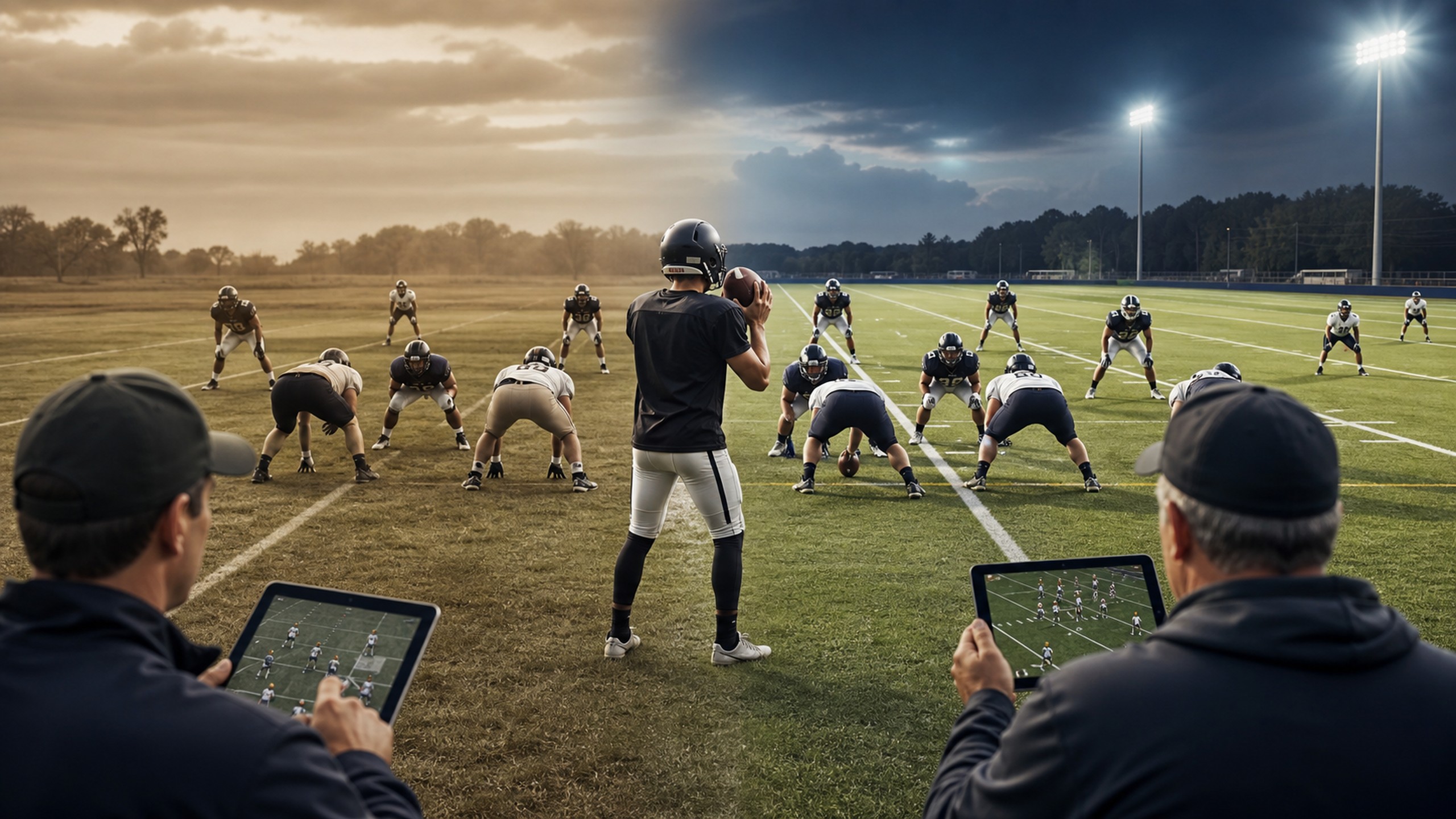
Football feels timeless when the ball is snapped, the line explodes forward, and a quarterback scans the field for a receiver streaking into open space. Yet the sport we watch today is not the same game that existed a century ago. It is the result of constant reinvention, shaped by safety concerns, strategic breakthroughs, fan expectations, technology, and the never-ending tension between tradition and progress.The history of football rules is really the history of football learning how to survive. Early versions of the sport were rough, crowded, and often dangerous. The game rewarded brute force more than creativity, and many plays looked less like modern football and more like controlled collisions. Over time, rule changes opened the field, protected players, clarified scoring, improved officiating, and transformed football into one of the most sophisticated sports in the world.
A: Rules changed to improve safety, fairness, scoring, pace, officiating accuracy, and overall entertainment.
A: The forward pass is one of the biggest changes because it opened the field and transformed offensive strategy.
A: Quarterbacks are central to modern offense, and rules aim to reduce unnecessary late, low, or head-area hits.
A: Kickoffs create exciting returns but also high-speed collisions, so leagues keep adjusting them for safety.
A: Replay improved accuracy on many objective calls, though it also created new debates about delays and interpretations.
A: A legal catch must define control, feet inbounds, contact with the ground, and whether possession is completed.
A: Many modern changes have helped passing and scoring, but others focus mainly on safety and fair enforcement.
A: Blocking rules changed to reduce dangerous hits and make line play more about technique than reckless force.
A: Coaches redesign formations, play calls, roster roles, and situational strategy around each major rule change.
A: Yes. As athletes, technology, safety research, and strategy evolve, the rulebook will keep adapting.
Early Football Was More Chaos Than Chess
In football’s earliest years, the game borrowed from rugby, soccer, and campus traditions that varied from place to place. Teams often played under different local rules, and strategy was built around possession, field position, and heavy formations. The ball moved forward through running, kicking, and lateraling rather than the passing attacks that define the modern game. The line of scrimmage, the system of downs, and standardized scoring slowly gave football its identity. These changes made the sport more structured and easier to follow. Instead of a loose battle for territory, football became a game of measured opportunity. Teams had limited chances to advance the ball, which created pressure, planning, and the dramatic rhythm that still drives the sport today.
Safety Forced Football to Evolve
One of the biggest reasons football rules changed over time was safety. Early football was violent enough to draw national concern. Mass formations, wedge plays, and pile-driving runs created dangerous collisions. The game was exciting, but it was also under pressure to reform or risk losing public support.
Rule makers began looking for ways to reduce congestion and open the field. They wanted football to remain physical without becoming reckless. Many of the sport’s most important innovations came from this need. Rules were not changed simply to make football prettier; they were changed because the game had to become more sustainable.
The Forward Pass Changed Everything
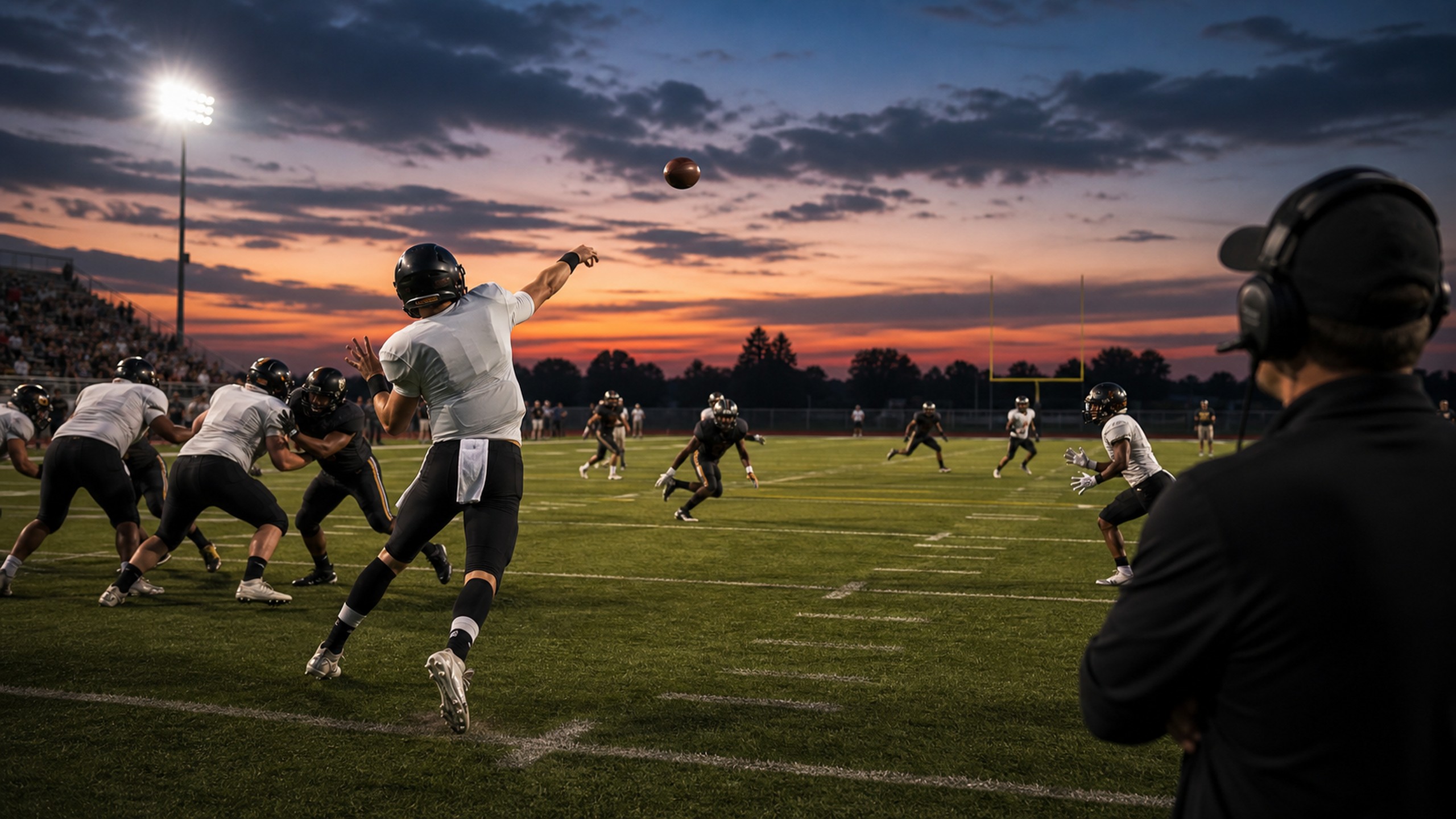
Few rule changes altered football more than the legalization of the forward pass. The forward pass was legalized in 1906, and although it was first viewed as a risky experiment, it eventually became one of the most important rule changes in football history.
At first, the pass was treated cautiously. Coaches did not immediately abandon the running game, and early passing rules were restrictive. But once teams realized that throwing the ball could stretch defenses, punish crowding near the line, and create sudden scoring opportunities, football changed forever. The field became wider in a strategic sense, even before it physically changed. Defenders had to cover space, receivers became specialists, and quarterbacks became field generals.
From Ground Battles to Air Shows
The rise of the passing game did not happen overnight. For decades, football remained heavily run-focused. Passing was risky, timing was difficult, and incomplete passes could be costly under earlier rules. But as rule makers loosened restrictions and coaches became more inventive, the passing game grew from a trick into a foundation.
Modern football’s explosive offenses are rooted in these rule changes. Today, formations spread defenses horizontally. Quarterbacks read coverage before and after the snap. Receivers use option routes, motion, spacing, and leverage. None of that world exists without the gradual rule evolution that allowed passing to become central rather than secondary.
Scoring Rules Made Strategy More Dramatic
Football’s scoring system also evolved to shape how teams think. The value of touchdowns, field goals, safeties, and extra points created layers of strategy. A touchdown became the ultimate reward, while the field goal remained a valuable but less powerful option. The try after touchdown added another decision point, and the two-point conversion made late-game comebacks more dramatic.
Modern football scoring gives six points for a touchdown, three for a field goal, two for a safety, and one or two points on the try after touchdown depending on the result. Those numbers may look simple, but they influence almost every coaching decision. Whether to go for it, kick, punt, attempt two, or chase a possession all depends on the scoring structure built through decades of rule refinement.
The Line of Scrimmage Became Football’s Centerpiece
The line of scrimmage is one of football’s most brilliant inventions. It creates order from chaos. Each play begins with a clean reset, allowing both offense and defense to disguise intentions, adjust personnel, and attempt to win a short tactical battle. As rules around formation, motion, eligibility, and blocking developed, the line of scrimmage became the sport’s chessboard. Offensive linemen had rules for who could move and when. Receivers had rules for alignment. Defenders learned to time blitzes without crossing early. The snap turned football into a sequence of rehearsed explosions, where every player’s legal movement mattered.
Blocking Rules Reshaped the Running Game
Blocking may be less glamorous than touchdowns, but changes to blocking rules have shaped football as much as any passing reform. Early football allowed forms of mass blocking that created dangerous momentum. Over time, rules limited certain low blocks, crackbacks, clipping, and wedge-style collisions.
These changes forced offenses to become more precise. Instead of simply overwhelming opponents with bodies, teams had to teach angles, leverage, timing, and technique. The modern running game is built on zone schemes, gap concepts, pulls, traps, and reads. It is still physical, but the rules push it toward structure rather than chaos.
Substitution Rules Created Specialists
Football once demanded more two-way players. Athletes often played offense and defense, and substitutions were more limited. As substitution rules evolved, the sport became increasingly specialized. Teams could build separate offensive, defensive, and special teams units, each with distinct skills and strategies.
This changed roster construction forever. Quarterbacks, pass rushers, slot receivers, nickel corners, long snappers, return specialists, third-down backs, and goal-line defenders all became part of football’s modern ecosystem. Rule changes allowed coaches to match situations with personnel, turning football into a game of packages, matchups, and constant adjustment.
The Play Clock Changed the Pace
The play clock gave football urgency. Without timing rules, teams could slow the game too much, protect leads too easily, or create uneven pacing. The play clock forced offenses to operate within a defined rhythm and gave defenses a chance to anticipate timing. Modern football is deeply shaped by time management. Coaches think in seconds, not just yards. Hurry-up offenses, two-minute drills, delay-of-game penalties, clock runoff rules, spike plays, timeout strategy, and end-of-half decisions all exist because timing rules evolved. Football became not only a game of space and force, but also a game of clock control.
Overtime Rules Changed the Meaning of Sudden Death
Overtime has been one of football’s most debated rule areas because it touches fairness, drama, and competitive balance. Traditional sudden-death overtime created unforgettable finishes, but it also raised questions when one team could win without the other offense touching the ball.
Over time, leagues adjusted overtime formats to give both teams a more balanced chance, especially in postseason settings. These changes reflect a broader theme in football rule history: excitement matters, but legitimacy matters too. Fans want drama, but they also want the result to feel earned.
Instant Replay Brought Technology Into the Rulebook
For most of football history, the official’s call on the field was final. Then cameras changed everything. Broadcast technology gave fans multiple angles, slow motion, zoom, and evidence that officials on the field could not always see in real time. Once everyone watching at home could see a mistake, football had to decide how much technology should influence the game.
Instant replay did not remove controversy, but it changed expectations. Accuracy became part of the entertainment product, and fans began expecting officials to use every available camera angle to get major calls right. Coaches’ challenges, booth reviews, scoring play reviews, turnover reviews, and replay assistance all reflect the same idea: modern football is too fast and too visible to rely only on one real-time view.
The Catch Rule Became a National Debate
Few rules have frustrated fans more than the catch rule. What looks like a catch in real time can become complicated under legal definitions involving control, body position, feet inbounds, time, contact with the ground, and completing the process of the catch. The catch rule shows how football’s beauty can collide with its complexity. A spectacular play must also fit a precise definition. Over time, the league has adjusted language and interpretations to better match common understanding, but the debate remains part of the sport. In football, even catching the ball can become a philosophical argument.
Quarterback Protection Changed Offensive Football
As quarterbacks became more important, rules increasingly protected them. Hits below the knee, blows to the head, late contact, driving the passer into the ground, and contact after the throw have all faced tighter enforcement. These changes have sometimes frustrated defensive players and fans who prefer a more old-school style, but they reflect the modern reality of the game.
Quarterbacks are not just players; they are offensive engines, franchise investments, and the central figures in modern strategy. Protecting them helps preserve competitive quality and reduces unnecessary injury risk. At the same time, defensive players must now master a difficult balance: play aggressively, but finish legally.
Receiver Protection Opened the Passing Game
Rules protecting receivers also transformed football. Defensive backs once had far more freedom to contact receivers downfield. As illegal contact, pass interference, and defenseless receiver protections became more important, passing offenses gained space to operate.
These changes helped create the wide-open modern game. Receivers could attack the middle of the field with less fear of being destroyed by blindside hits. Quarterbacks could throw timing routes with more confidence. Defenses had to rely more on coverage technique, disguise, pressure, and disciplined tackling instead of simply overpowering receivers before the ball arrived.
Kickoff Rules Show the Modern Safety Challenge
The kickoff may be the clearest example of modern football’s rule dilemma. It is exciting, traditional, and capable of producing game-changing moments. It is also one of the sport’s most dangerous plays because players can build up speed before contact.
Recent kickoff reforms are designed to reduce high-speed collisions while keeping returns alive, showing how modern football constantly tries to balance excitement with player safety. This is the modern rulebook in action: preserve the thrill, reduce the danger, and keep adjusting when the game changes.
Player Safety Became a Central Rule Philosophy
Modern football rules are increasingly shaped by player health. Concussion protocols, defenseless player protections, roughing penalties, illegal blindside blocks, horse-collar tackle rules, and dangerous tackling restrictions all show how the sport has shifted.
The goal is not to remove physicality. Football without contact would no longer be football. The goal is to remove unnecessary danger, especially techniques that create avoidable head, neck, knee, or ankle injuries. This is why rule changes often target specific actions rather than general toughness. The sport still rewards power, courage, and speed, but it increasingly punishes reckless technique.
Special Teams Became a Rule Laboratory
Special teams have often been where rule makers experiment. Kickoffs, punts, touchbacks, fair catches, onside kicks, extra points, and field goal formations have all changed over time. These plays involve unusual spacing, high-speed movement, and major swings in field position, making them both exciting and risky. Changes to special teams rules can instantly alter roster value. A new kickoff format can make returners more important. A touchback change can influence whether kickers aim deep or short. An extra point distance change can make a once-automatic play feel uncertain. Special teams prove that even small rule adjustments can ripple across the entire game.
Coaching Strategy Follows the Rulebook
Every rule change creates a coaching response. When passing becomes easier, coaches spread the field. When replay expands, coaches manage challenges differently. When kickoff rules change, special teams coordinators redesign coverage lanes. When quarterback protection tightens, pass rushers adapt their strike zones and tackling angles.
This is why football strategy never stops evolving. Coaches are rule interpreters as much as play designers. The best teams do not merely follow the rulebook; they study its edges. They ask what the rules allow, what they discourage, and where opportunity hides.
Fans Changed With the Rules Too
Football fans have also evolved. Early fans may have celebrated raw physical dominance, while modern fans expect speed, scoring, fairness, and safety. Television changed expectations by making every call visible from multiple angles. Fantasy football and analytics changed how people understand decisions. Social media turned controversial rulings into instant national debates.
Because fans understand more of the game than ever before, the rulebook faces more scrutiny. A penalty is no longer just a flag on the field; it becomes a discussion about precedent, intent, consistency, and competitive impact. The more advanced football becomes, the more important clear rules become.
Why Football Will Keep Changing
Football rules will continue to change because the sport itself keeps changing. Athletes are faster, stronger, and more specialized than ever. Technology reveals more detail. Medical knowledge continues to improve. Coaches keep finding tactical advantages. Fans keep demanding a game that is exciting without feeling unfair or needlessly dangerous.
The best rule changes do not erase football’s identity. They protect it. The forward pass did not destroy football; it unlocked it. Replay did not ruin officiating; it raised expectations. Safety rules did not eliminate toughness; they redefined responsible toughness. Football survives because it adapts.
The Rulebook Is the Story of the Game
The story of football rules is a story of pressure and imagination. Every generation inherits a game it loves, then changes it to meet the moment. Some changes are controversial at first. Some become invisible because they work so well. Some spark debates that last for decades. But together, these changes built the modern game: faster than its ancestors, safer than its early versions, more strategic than ever, and still unmistakably football. The rules are not just technical details. They are the hidden architecture of every comeback, every fourth-down gamble, every touchdown, every replay review, and every unforgettable Sunday finish.