The Game Begins on College Campuses
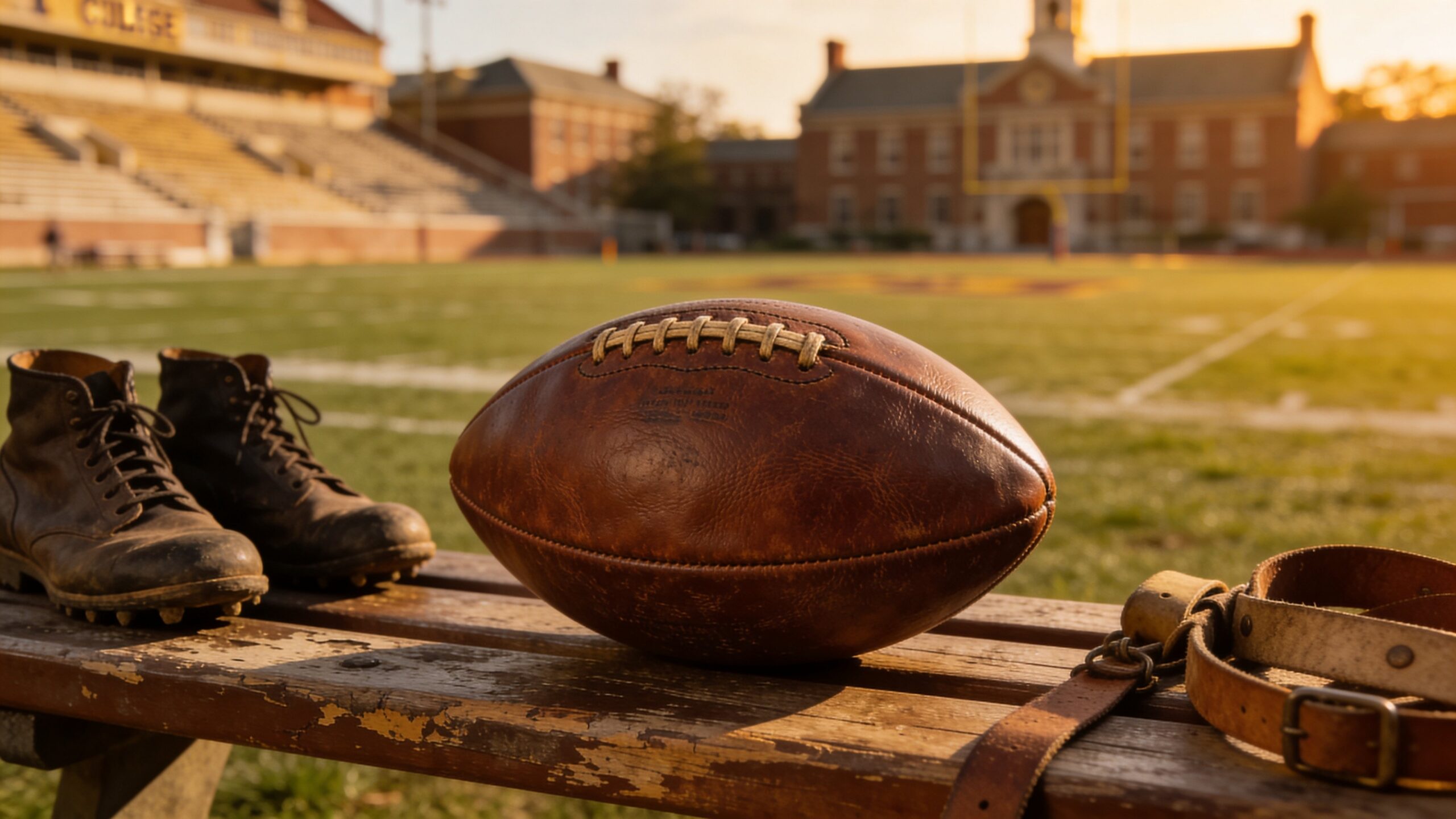
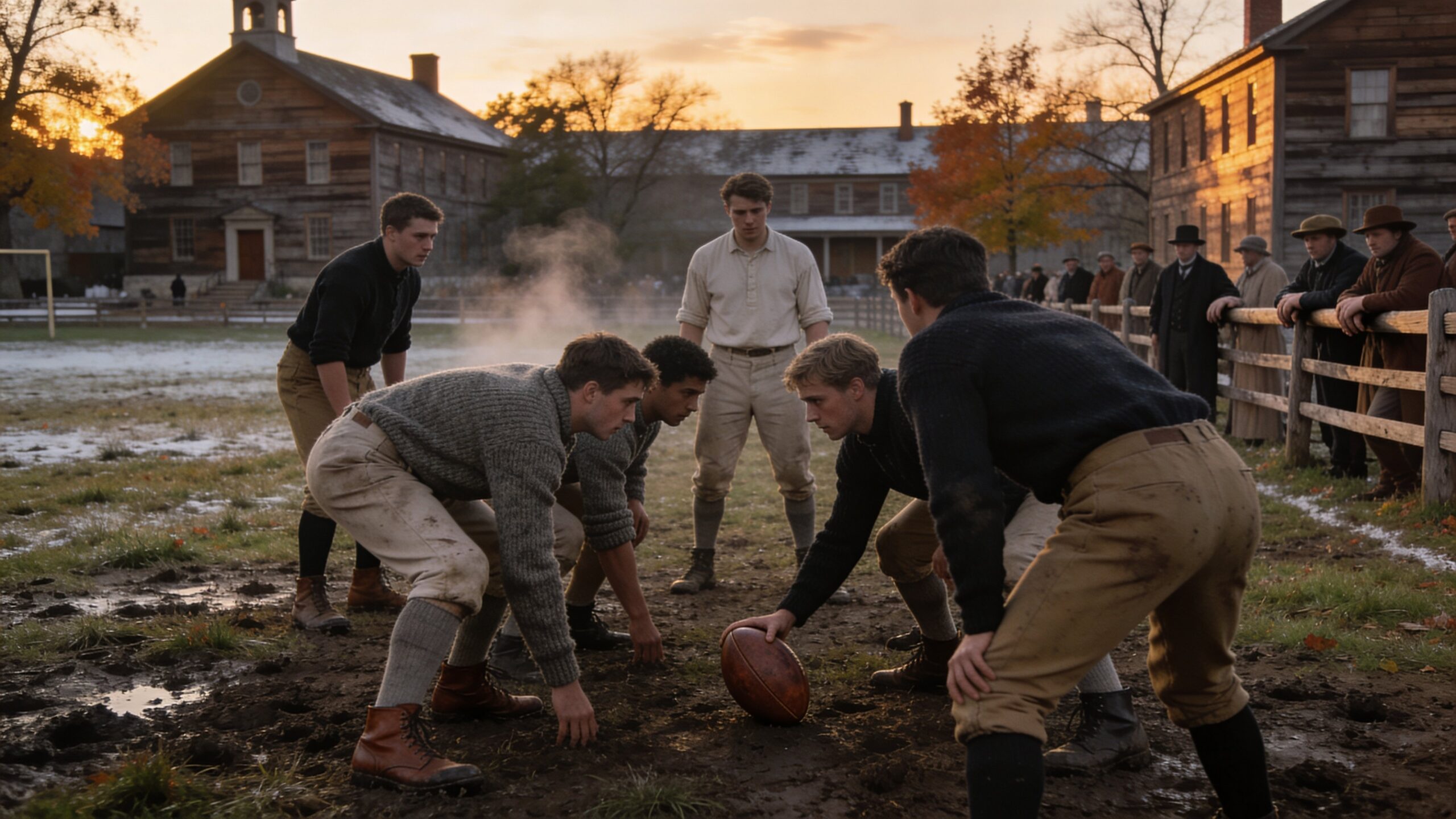
Long before the stadium lights of professional football illuminated Sunday afternoons, the sport was taking shape on college campuses across the United States. In the late nineteenth century, universities such as Harvard, Yale, and Princeton began organizing organized football contests that blended elements of soccer and rugby. These early matches were chaotic and physical, but they captured the imagination of students and spectators alike. College football quickly became one of the most exciting new forms of entertainment in American culture. The first widely recognized intercollegiate football game took place in 1869 between Rutgers and Princeton. The rules looked very different from modern football. Teams had twenty-five players per side, forward passing was not allowed, and the ball was more often kicked than thrown. Yet the seeds of something bigger had been planted. College campuses became the laboratories where the sport evolved, where rules were refined, and where strategy began to emerge. During the following decades, college football exploded in popularity. Rivalries between schools drew large crowds, newspapers covered the games, and star players became local heroes. As stadiums grew larger and fans grew more passionate, it became clear that football had the potential to extend beyond college competition. The excitement surrounding college football would eventually pave the way for professional leagues.
A: No. College football existed for decades before the NFL formed.
A: The league began in 1920 as the American Professional Football Association.
A: Fans wanted to see college stars continue playing after graduation.
A: Walter Camp introduced several foundational rules.
A: The NFL Draft brings top college players into the league.
A: Many offensive and defensive innovations originate in college programs.
A: Many have been played annually for more than a century.
A: It remains the league’s main source of talent.
A: Yes, many early teams folded before the league stabilized.
A: Yes, new strategies, training methods, and technology continue to shape the game.
Walter Camp and the Birth of Modern Football
No story about the origins of American football is complete without mentioning Walter Camp. Often referred to as the “Father of American Football,” Camp was a player and coach at Yale University during the late 1800s. His influence on the game was enormous, shaping many of the rules that define football today. Before Camp’s influence, football resembled rugby more than the American sport we recognize now. Games were messy scrums, and it was difficult for spectators to follow the action. Camp introduced critical innovations that transformed the sport into a structured competition. Among his most important contributions were the line of scrimmage, the system of downs, and the concept of eleven players per side. These rule changes created a more strategic and organized sport. Coaches could design plays, players could specialize in positions, and fans could understand the flow of the game. College football suddenly became more exciting and easier to follow, drawing larger crowds and media attention. The innovations born on college fields would later become the backbone of professional football.
College Football Becomes a National Phenomenon
By the early twentieth century, college football had grown into one of the most popular sporting events in the United States. Massive crowds packed stadiums to watch traditional powerhouses such as Notre Dame, Michigan, Army, and Yale. Rivalry games turned into annual traditions that defined campus culture and energized entire communities. The rise of legendary coaches helped elevate the sport even further. Figures like Knute Rockne at Notre Dame and Amos Alonzo Stagg at the University of Chicago introduced advanced strategies and training methods. They treated football as both a science and an art, turning their teams into disciplined machines capable of executing complex plays.
Radio broadcasts also helped expand football’s reach. Fans who could not attend games in person could now listen to thrilling play-by-play commentary from their homes. The excitement surrounding college football created a national audience eager for more football action. However, there was a limitation: once players graduated, their football careers usually ended. This gap between college fame and professional opportunity would eventually lead to the birth of a new league.
Early Attempts at Professional Football
Before the NFL existed, several attempts were made to organize professional football leagues. In the late 1800s and early 1900s, small professional teams formed in industrial towns throughout the Midwest. Cities such as Canton, Akron, and Dayton in Ohio became hubs for these early pro teams. These teams often recruited former college stars who wanted to continue playing after graduation. Fans were eager to watch players they had admired during their college careers. However, professional football at this time was disorganized. Teams frequently folded, schedules were inconsistent, and there was little oversight or standardization.
Players sometimes switched teams mid-season, and there were constant disputes over contracts and payments. Without a governing body, the sport struggled to establish legitimacy. Still, the idea of professional football continued to grow. The popularity of college football proved that the sport had a passionate audience, and entrepreneurs began to realize that professional football could thrive if it were properly organized.
The Birth of the American Professional Football Association
In 1920, a group of team owners met in Canton, Ohio, to create a unified professional league. Their goal was to stabilize professional football by setting rules, organizing schedules, and preventing teams from poaching players from one another. The meeting took place in an automobile showroom owned by Ralph Hay, who also owned the Canton Bulldogs football team.
This gathering resulted in the formation of the American Professional Football Association (APFA). Several teams joined the new league, including the Akron Pros, Decatur Staleys, and Chicago Cardinals. The league’s first president was Jim Thorpe, one of the most famous athletes of the era and a former college football star. Although the APFA was a modest organization at first, it represented a crucial step toward professionalizing the sport. Teams now operated under shared rules and governance, creating a more stable environment for players and fans alike.
From APFA to the National Football League
Two years after its formation, the APFA changed its name to the National Football League. The new name signaled a broader ambition: to build a professional league that could eventually rival the popularity of college football. In the early years, the NFL struggled to gain traction. College football remained the dominant force in the sport, drawing far larger crowds and media attention. However, the NFL gradually built its reputation by showcasing talented players and competitive teams.
Many of the league’s early stars were former college standouts who had already gained national recognition. Fans who had followed these players in college were eager to see them compete at the professional level. The connection between college football and the NFL remained strong, and it became one of the league’s greatest advantages. Over time, the NFL introduced innovations that made professional football more exciting. Rule changes, improved stadiums, and expanding media coverage helped the league grow steadily. By the mid-twentieth century, the NFL had become one of the most powerful sports organizations in the world.
College Football as the NFL’s Talent Pipeline
One of the most important ways college football gave birth to the NFL is through player development. College programs serve as the training ground where young athletes learn the skills, strategies, and discipline required to compete at the highest level. The introduction of the NFL Draft in 1936 strengthened this relationship even further. The draft allowed professional teams to select the best graduating college players, creating a structured path from college football to the NFL. This system ensured that talent was distributed throughout the league and that college stars had the opportunity to continue their careers professionally. College football also acts as a proving ground for future NFL coaches, scouts, and executives. Many of the strategies used in professional football are first developed at the collegiate level. Innovative offensive schemes, defensive systems, and training methods often originate on college sidelines before making their way to the NFL.
The Evolution of Football Strategy
Another reason college football played such a critical role in the creation of the NFL is its influence on football strategy. Throughout the sport’s history, many tactical breakthroughs originated in college programs. The forward pass, for example, became a revolutionary addition to football in the early twentieth century. Although it was eventually adopted by professional teams, it was college coaches who initially experimented with passing attacks. Over time, passing offenses evolved into sophisticated systems that transformed the game.
Modern offensive innovations such as the spread offense and run-pass option also emerged from college football. As these strategies proved successful, NFL teams began adapting them to the professional level. The constant exchange of ideas between college football and the NFL keeps the sport evolving.
The Cultural Impact of College Football
College football did more than simply provide players and strategies for the NFL. It also helped build the cultural foundation that made professional football successful. Traditions such as marching bands, school colors, and intense rivalries created an emotional connection between fans and the sport.
When professional football began expanding, it benefited from the excitement and passion already associated with college football. Fans who loved the college game were naturally drawn to the professional version. Cities embraced their teams with the same enthusiasm that universities had inspired. Television further amplified this cultural connection. Broadcasts of both college football and NFL games helped create a nationwide football culture that spanned generations. Families gathered around televisions to watch games together, turning football into a shared national experience.
The NFL Surpasses Its College Roots
By the 1960s and 1970s, the NFL had grown into a dominant force in American sports. The merger between the NFL and the American Football League in 1970 created a unified professional league with nationwide reach. The introduction of the Super Bowl became one of the biggest sporting events in the world.
While college football remained immensely popular, the NFL began attracting larger television audiences and greater financial investment. The league’s players became global superstars, and franchises evolved into billion-dollar organizations. Despite this growth, the NFL never lost its connection to college football. Each year, millions of fans follow college games while also eagerly anticipating the NFL Draft. The journey from college athlete to professional star remains one of the most compelling narratives in sports.
The Legacy of College Football in Today’s NFL
Even today, the influence of college football is visible throughout the NFL. From player development to coaching strategies, the professional game still relies heavily on its collegiate roots. College stadiums remain some of the most passionate environments in sports, and many NFL players first discovered their love for football on those fields. The partnership between college football and the NFL continues to shape the future of the sport. As new generations of athletes enter college programs, they carry with them dreams of reaching the professional stage. College football provides the training, exposure, and experience necessary to make those dreams possible. Without the innovation, passion, and popularity of college football, the NFL might never have existed. The college game provided the blueprint, the talent, and the audience that allowed professional football to flourish. What began as campus rivalries eventually evolved into one of the most successful sports leagues in the world. The story of the NFL is, at its heart, a story about college football. From the early rule changes of Walter Camp to the modern pipeline of college stars entering the draft each year, the connection between the two remains inseparable. The roar of college stadiums more than a century ago did not just celebrate a game—it helped create the foundation for America’s most powerful sporting institution.