How Rule Changes Built the Game Fans Know Today
Football has never been a static sport. It may look timeless on the surface, with its yard lines, helmets, and familiar rhythms, but the game has been constantly reshaped by the rules that govern it. Every era of football has faced a central question: what kind of sport should this be? Should it reward brute force or quick thinking? Should it be a battlefield of field position or a showcase of speed and skill? The answers have often come not from coaches or stars alone, but from rulemakers who saw problems, pressures, and possibilities in the game and chose to intervene. Some of the most important moments in football history were not famous touchdowns or dramatic championships. They were changes written into rulebooks. Those changes altered strategy, transformed player roles, improved safety, and made the sport more watchable for everyone from lifelong fans to first-time viewers. In many cases, a single adjustment unlocked an entirely new style of play. In others, a rule was created to stop the sport from becoming too dangerous, too predictable, or too unfair.
A: Most would argue it was the legalization of the forward pass because it transformed the entire shape of offense.
A: Many changes were responses to safety concerns, chaotic play, and the need for clearer structure.
A: They create football’s core rhythm by turning every possession into a sequence of strategic decisions.
A: They changed how contact happens, but football remains one of the most physical major sports.
A: They help preserve the health of the position most central to modern offensive football.
A: They shape how aggressively defenders can play and how freely receivers can run routes downfield.
A: Kickoffs combine excitement with some of the sport’s highest-speed collisions, making them a constant safety concern.
A: It changed how football handles crucial officiating mistakes and how fans experience close decisions.
A: Yes, because fans and leagues continue to debate the best balance between fairness and sudden-death tension.
A: Because rules do more than govern football; they define what kind of game it becomes.
The Forward Pass Changed Football Forever
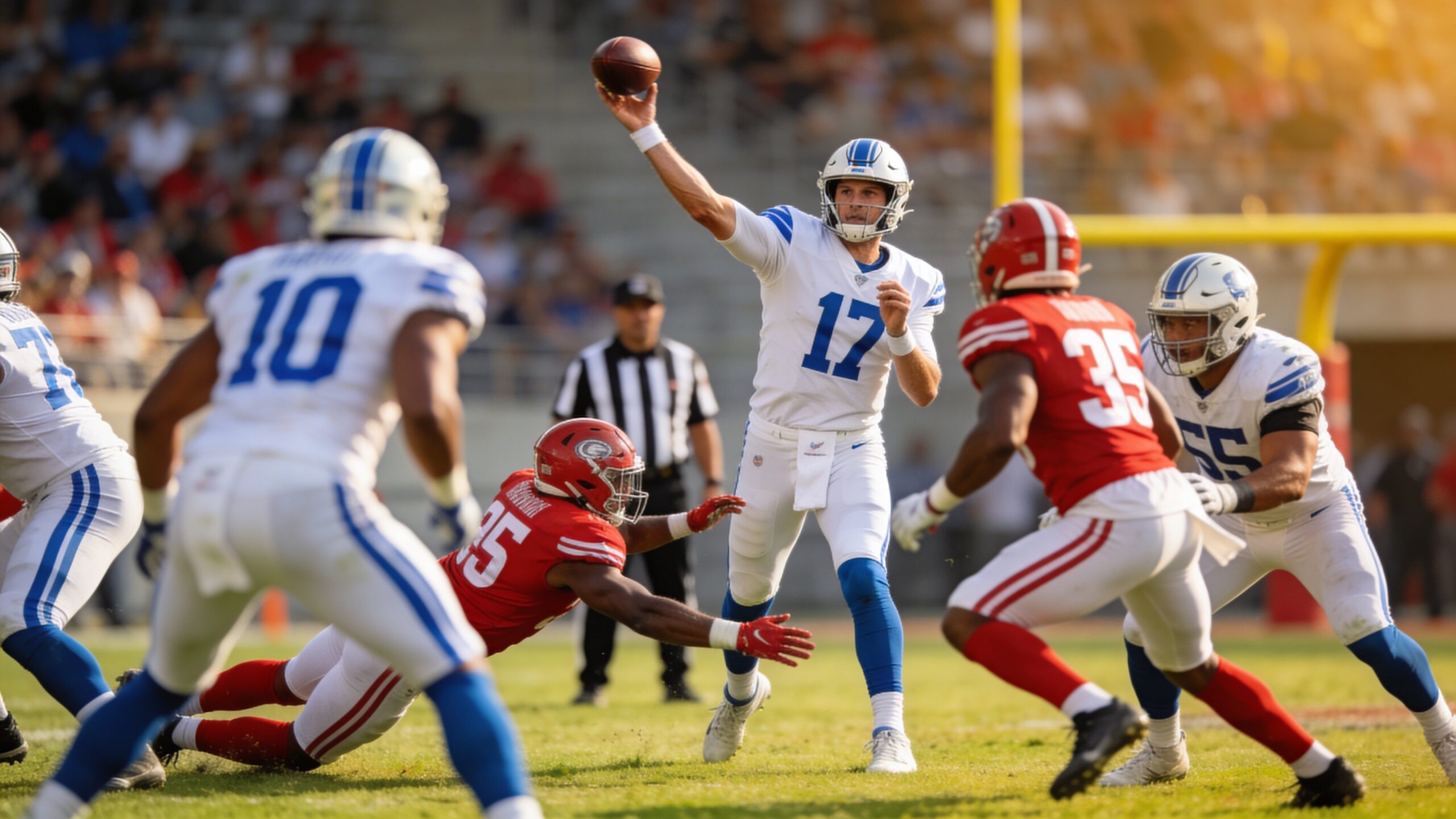
No rule change in football history had a greater long-term impact than the legalization of the forward pass. Before it, the game was overwhelmingly built around mass formations, relentless rushing, and physical collisions packed into tight spaces. Offenses moved like battering rams. Progress was often slow, violent, and exhausting. Without a meaningful passing game, defenses crowded the line of scrimmage, and the sport became a brutal contest of force rather than space. Once the forward pass became legal, football began its slow transformation into a much more open and inventive sport. At first, teams were cautious. Passing was seen as risky, awkward, and even somewhat unnatural. But over time, coaches began to understand what it could do. The field widened in a strategic sense. Defenses had to respect not only the run but also the threat of the ball flying over their heads. Quarterbacks became more central. Receivers grew in importance. Timing, spacing, deception, and design all took on greater value. The forward pass did more than add one new option. It changed the geometry of football. It made explosive plays more common, comeback opportunities more realistic, and offensive creativity more valuable. Modern football, from spread concepts to deep play-action attacks, is built on the foundation this rule created.
The Line of Scrimmage and Down System Created Structure
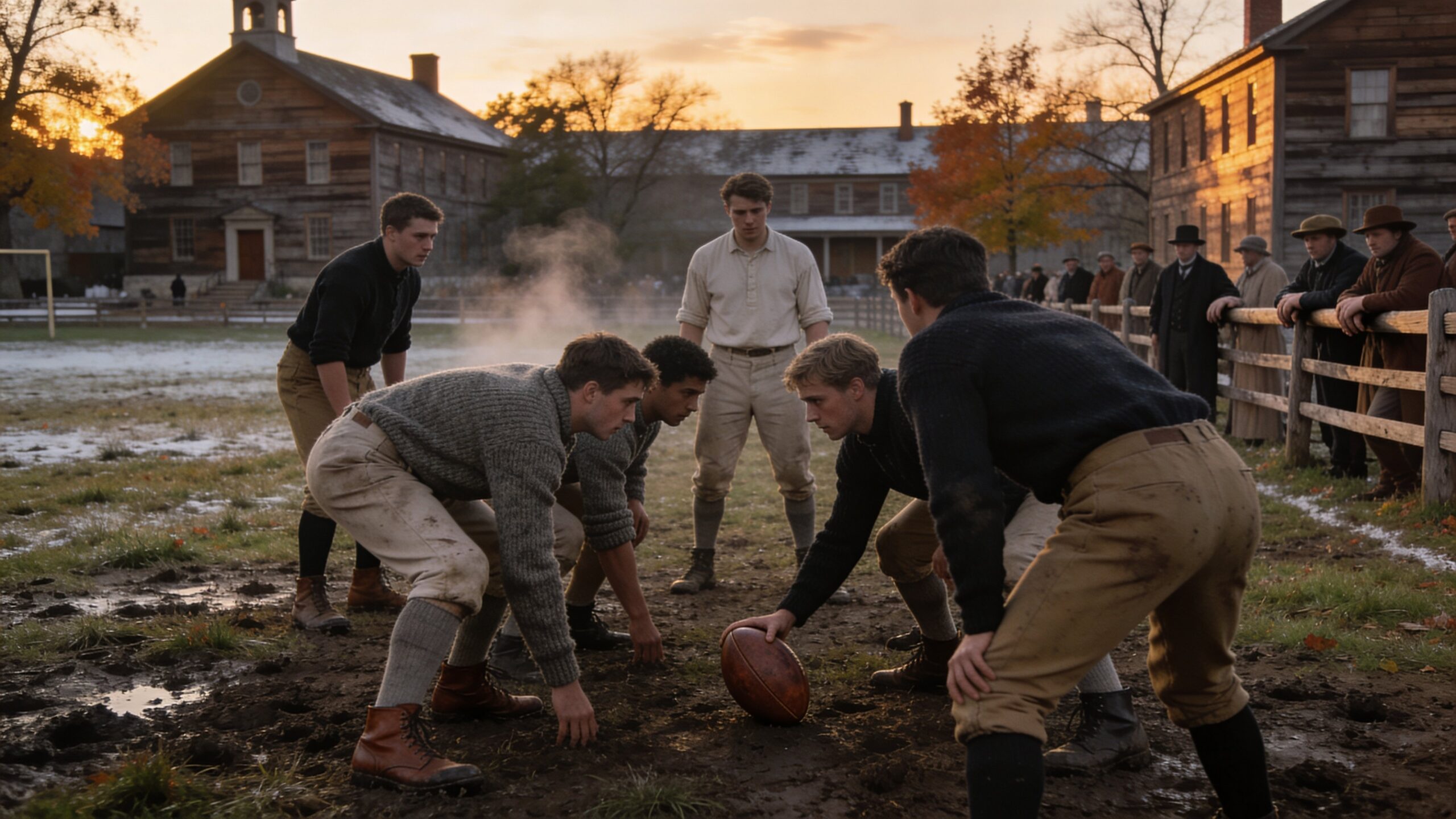
Early football once resembled a rough struggle for territory with fewer clear organizing principles than the modern game. The development of the line of scrimmage and the down-and-distance system gave football its defining structure. Suddenly, each play began from a fixed point, and teams had a limited number of attempts to gain a required amount of yardage. That change brought order, tension, and strategy to the sport.
This was a revolutionary idea because it transformed football into a game of managed opportunities. Every snap began a fresh tactical puzzle. Coaches had to think in sequences rather than chaos. Players had to execute with the knowledge that each down mattered differently. First down became a chance to set the tone, second down a chance to create options, third down a moment of pressure, and fourth down a decision point loaded with risk and consequence. Without this framework, football would not feel like football. The down system created pacing and drama. It gave fans a way to understand momentum. It made possession meaningful and field position calculable. Almost every strategic conversation in football still revolves around this rule structure, proving how deeply it shaped the identity of the sport.
Ending Dangerous Mass Formations Saved the Sport
In football’s early years, some of the most controversial and dangerous tactics involved tightly packed mass formations. These formations turned the game into a crashing wave of bodies and generated severe injuries. At a time when player safety was far less developed than it is today, concerns about deaths and serious harm became impossible to ignore. Reform was no longer optional. It was necessary for the sport’s survival.
Rule changes aimed at reducing these formations were among the most important in football history because they helped prevent the game from collapsing under the weight of its own brutality. By forcing teams into more spaced alignments and discouraging the most dangerous pile-driving tactics, the sport began moving toward a safer model. It was still physical, still intense, and still punishing, but it became less chaotic and less catastrophically violent. These reforms also had a strategic side effect. When teams could no longer rely as heavily on packed formations, they had to explore different offensive ideas. That opened the door for more movement, more passing, and more skill-based execution. In that sense, safety reform did not weaken football. It helped unlock a more dynamic version of it.
Substitution Rules Changed the Meaning of the Roster
One of the biggest shifts in football history came when substitution rules evolved and eventually allowed for the highly specialized rosters fans now take for granted. In the earliest eras, players often played both offense and defense, which meant teams were built around endurance and all-around ability. That created a different kind of athlete and a different kind of game. As substitution rules loosened, football became more specialized and strategically complex. Teams could deploy players whose skills were tailored to very specific roles. Offensive linemen no longer had to conserve energy for defensive snaps. Pass rushers could attack with greater intensity. Wide receivers could focus on speed and route-running. Specialists on special teams became major factors. Coaching staffs also grew more detailed in how they organized personnel packages.
This rule shift expanded the chess match of football. It allowed the sport to become faster, sharper, and more situational. A third-down back, a nickel corner, a goal-line package, or a dedicated kick returner all reflect the long influence of substitution changes. The modern roster is not just a collection of athletes. It is a strategic toolbox, and rule changes made that possible.
The T-Formation and Passing Rules Modernized Offense
Even after the forward pass was legalized, football did not instantly become the aerial sport seen today. Several rules around where passers could throw from, how linemen were positioned, and how backfields were arranged helped shape the next stage of offensive development. The rise of formations like the T-formation was tied to evolving rules that made ball-handling cleaner, timing sharper, and passing more integrated into the offense.
This mattered because it moved the pass from being a desperate gamble into being a central pillar of game planning. Quarterbacks could receive the ball more efficiently, make quicker reads, and orchestrate more complex plays. Running backs became more versatile, and receivers became more essential to offensive design. Coaches could disguise intention more effectively, making the game harder to defend and more exciting to watch. he result was a more balanced, adaptable, and modern offensive structure. Football was no longer trapped between old-fashioned rushing traditions and occasional experimental passes. It had become a sport where multiple methods of attack could coexist. That flexibility remains one of football’s greatest strengths.
Hash Marks and Field Position Reshaped Strategy
Hash marks may seem like a minor field detail, but they have had a huge effect on football strategy. By determining where the ball is placed after many plays, hash marks influence the amount of field available to offenses and defenses. Their placement has varied across different levels of football, and those differences have shaped everything from kicking angles to play-calling tendencies.
A wider side of the field gives offenses more room to stress defenses horizontally and vertically. It changes how coordinators think about route concepts, run direction, motion, and matchup creation. It also affects special teams strategy, especially field goal attempts and punt placement. Coaches are deeply aware of how ball location influences probability and play design, and hash mark rules are central to that calculation. This is a reminder that important rule changes are not always dramatic or headline-grabbing. Sometimes they quietly alter the environment in which every play unfolds. Hash mark adjustments helped turn football into a sport of spatial leverage, where the smallest details can influence major outcomes.
Overtime Rules Redefined Fairness and Drama
For much of football history, tied games were simply accepted as part of the sport. Over time, however, leagues and competitions increasingly looked for ways to produce decisive outcomes. Overtime rules were the answer, but their design has always been controversial. How much should each team be guaranteed? Should sudden death apply immediately? How do you balance fairness with the need for tension and pace?
The evolution of overtime rules reflects football’s effort to solve one of its hardest problems. Fans want a clear winner, but they also want a result that feels earned. Earlier versions of overtime sometimes gave too much weight to a single coin toss or a single possession. Later revisions tried to create a more balanced process while preserving the thrill of sudden consequence. These changes matter because they reveal how football is shaped not only by how plays are run, but by how the game defines justice under pressure. Overtime is where rules become philosophy. It is where the sport decides what counts as a fair chance, and those decisions have changed the way some of the most memorable games in history have ended.
Pass Interference and Contact Rules Opened the Air Game
As football became more pass-oriented, leagues had to decide how much contact defenders should be allowed to make against receivers. Pass interference rules, illegal contact rules, and restrictions on defensive holding played an enormous role in the rise of modern offense. These were not cosmetic updates. They dramatically changed what offenses could attempt and what defenses could get away with. When defenders were allowed to disrupt receivers too freely, passing attacks became less efficient and less elegant. Timing routes suffered. Deep throws became harder to complete without chaos. By tightening enforcement and defining limits on contact, football encouraged precision passing and gave skilled route-runners a better chance to succeed. Quarterbacks could trust timing concepts more. Offensive coordinators could design attacks around spacing and rhythm.
These changes helped create the high-level passing games that define modern football. They also changed the value of positions. Elite cornerbacks, accurate quarterbacks, and refined receivers became even more important because the rules placed a premium on technique and anticipation. In many ways, the modern offensive explosion owes as much to these restrictions as it does to talent.
Protection for Quarterbacks Changed the Modern Era
Few positions in sports are protected by rules as carefully as the football quarterback. That did not happen by accident. It happened because the quarterback became the central engine of the modern game, and repeated injuries to passers threatened not only players’ careers but also the quality and marketability of the sport itself. Rule changes protecting quarterbacks from late hits, blows to the head, and certain forms of low contact dramatically changed defensive behavior.
Critics sometimes argue that these rules softened the game, but their impact has been broader than that. They helped preserve skill, consistency, and offensive continuity. A healthy starting quarterback keeps a team’s identity intact and allows long-term strategy to matter more than random attrition. These protections also encouraged teams to invest even more heavily in passing systems, knowing the league was committed to limiting some of the most dangerous hits. The quarterback protection era reflects one of football’s major modern tensions: how to preserve physical intensity while protecting the players most essential to the game’s rhythm and appeal. Whether loved or debated, these rules have changed outcomes, careers, and the entire offensive landscape.
Kickoff Rule Changes Rebalanced Excitement and Safety
Kickoffs have long been among football’s most dramatic plays, but they have also been among its most dangerous. High-speed collisions during returns created serious safety concerns, prompting repeated rule changes involving touchbacks, kickoff placement, blocking structure, and return formations. These changes aimed to reduce injury risk without removing the excitement of the play entirely. This has been one of the clearest examples of football trying to evolve without abandoning its identity. Rulemakers recognized that the traditional version of the kickoff exposed players to extreme impacts in open space. By adjusting alignment and incentives, they tried to reduce dangerous momentum while preserving strategy. Coaches had to rethink roster usage, return philosophy, and field-position expectations.
Kickoff rule changes show how even a single phase of the game can reveal football’s larger struggle between tradition and adaptation. Fans remember the thrilling returns, but the sport has increasingly decided that spectacle cannot come at any cost. The future of football may depend on how well it continues solving that equation.
Replay and Review Changed How Football Defines Truth
For generations, football depended almost entirely on the eyes of officials in real time. That gave the sport a human element, but it also meant that major mistakes could shape massive moments. The arrival and expansion of replay review changed the relationship between football and certainty. Now, the game had a tool that could revisit key moments and try to correct obvious errors.
Replay changed more than officiating mechanics. It changed the psychology of the sport. Coaches gained challenges. Broadcasts became part of the experience of judgment. Fans learned to wait through reviews before celebrating fully. The difference between a catch and an incompletion, a fumble and a downed runner, or a touchdown and a near miss became matters of frame-by-frame analysis. This rule change remains one of the most transformative because it redefined what football believes about fairness. The sport still accepts gray areas, but it no longer accepts avoidable mistakes as easily as it once did. Replay brought technology into the heart of competition, and that decision permanently changed how football is seen, argued, and remembered.
Safety Rules About the Head Changed Football’s Moral Center
Perhaps the deepest rule evolution in football history involves hits to the head and the growing awareness of concussion risks. As understanding of brain injuries increased, football faced a moral reckoning. Rules addressing helmet-to-helmet contact, defenseless players, targeting, and concussion protocols became essential parts of the sport’s modern identity. These changes were about more than tactics. They were about what the game was willing to tolerate. For decades, some of football’s most celebrated moments involved devastating hits. Over time, the sport had to confront the human cost of glorifying that style of play. New rules tried to protect players without erasing the intensity that makes football compelling.
This remains an unfinished chapter, but it is one of the most important in the sport’s history. It suggests that football’s future will be shaped not only by strategy and entertainment, but by ethics. The rules around head safety did not merely tweak the game. They changed the conversation around what football should be.
Football’s History Is Written in Its Rulebook
The story of football is not just a story of legendary teams, iconic coaches, and unforgettable moments. It is also a story of reforms, revisions, and reinventions. Rule changes built the game’s structure, widened its possibilities, protected its players, and adjusted its balance between force and finesse. They turned football from a dangerous, compressed struggle into a sophisticated sport of timing, spacing, specialization, and strategy. That process is still ongoing. Every generation inherits a version of football shaped by earlier decisions and then debates what should come next. Some changes are celebrated immediately. Others are criticized before eventually becoming normal. But taken together, the most important rule changes in football history reveal a simple truth: the game survives and thrives because it is willing to evolve. Football may pride itself on tradition, but its greatest strength has often been adaptation. The rulebook has never just described the sport. It has continuously remade it.